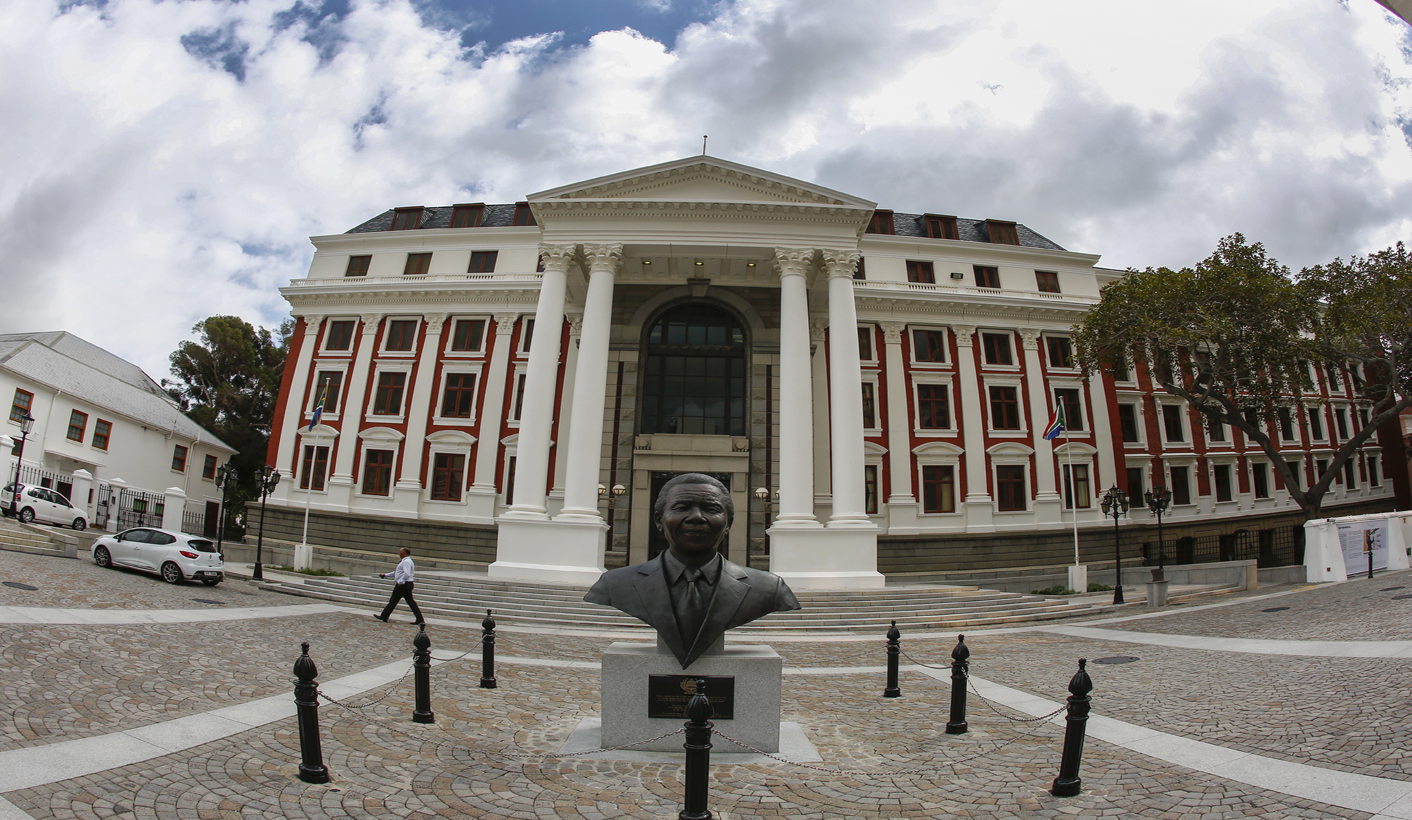
The Organisation Undoing Tax Abuse (OUTA) has released its 2026 Parliamentary Oversight Report (POR), which meticulously covers the period from July 1, 2025, to June 30, 2026. This full report, a critical assessment of parliamentary functions, indicates a concerning and persistent lack of accountability in South Africa's parliamentary oversight mechanisms. A significant finding noted by OUTA is that almost 94% of the questions submitted to Parliament during this specific reporting period were written questions, showing the primary method utilized by Members of Parliament to exercise their oversight duties. However, the report reveals a troubling statistic: only 26.6% of these key written questions received timeous replies from the relevant government entities. This figure marks a notable decrease compared to the first year of the report's assessment, signaling a deteriorating trend in the responsiveness of parliamentary bodies. The data, meticulously compiled by OUTA, suggests a clear decline in the promptness of responses, which is vital for effective governance and public accountability.
Questioning and Compliance Rates
During the reporting period, Members of Parliament demonstrated a proactive approach to their oversight responsibilities by submitting a total of 7,771 questions. This volume represents a significant increase from the 6,762 questions recorded in the previous period, indicating a sustained and growing effort by MPs to scrutinize government operations and hold departments accountable. Despite the initial low rate of timeous replies, the report provides a nuanced view of overall compliance, noting that approximately 89.8% of the written questions ultimately received an answer, albeit often outside the stipulated timeframes. This suggests that while responses are eventually provided in most cases, the delay in their delivery can impede timely decision-making and public information.
A notable distinction in compliance was observed at the highest levels of government. The Presidency and Deputy Presidency demonstrated full compliance in their responses, a commendable feat that involved addressing smaller, highly structured sets of questions. This level of adherence to parliamentary procedures sets a benchmark for other government entities. However, the report indicates that several government departments struggled considerably with their compliance obligations regarding answering parliamentary questions. This disparity suggests varying levels of responsiveness and commitment to transparency across different government entities, posing a challenge to uniform accountability. The overall increase in questions submitted by MPs, despite the challenges, notes a sustained effort to exercise oversight, even as the promptness of replies remains a significant concern for parliamentary effectiveness and the principle of timely accountability.
Committee Recommendations and Backlogs
The report also delves into the critical work performed by parliamentary committees, which are central to legislative oversight. Across all 30 portfolio committees and relevant standing committees, a substantial total of 1,047 recommendations were recorded during the reporting period. The breakdown of these recommendations reveals a significant backlog: 810 of these recommendations were identified as unresolved items carried over from the 6th Parliament, noting persistent issues that have not been adequately addressed. In addition to these outstanding matters, 237 represented new recommendations made during the current reporting period, indicating ongoing efforts to identify and propose solutions to governance challenges. Parliament conducted a considerable number of committee meetings, with 1,187 sessions held within the same timeframe, demonstrating the active engagement of MPs in their committee duties. For these parliamentary committee meetings, the overall recorded attendance stood at 79%, reflecting a generally high level of participation by committee members. This commitment to attendance is key for the effective functioning of these oversight bodies and for ensuring that recommendations are thoroughly debated and formulated.
The Need for Implementation Discipline
The Organisation Undoing Tax Abuse (OUTA) emphasizes that while the identification of issues and formulation of recommendations are vital, their ultimate impact hinges on rigorous follow-through. According to the report, recommendations in some committees have notably become more specific, time-bound, and measurable, a positive development that aims to enhance their enforceability and trackability. However, OUTA states emphatically that Parliament requires a significant improvement in implementation discipline and unwavering dedication to follow through on its findings. This critical need extends beyond merely making recommendations; it encompasses the proactive application of corrective measures and the establishment of stricter consequences for non-compliance. Without such discipline, the valuable work of parliamentary oversight risks becoming an exercise in futility, undermining public trust and the very foundations of democratic accountability. The report serves as a stark reminder that the efficacy of parliamentary oversight is not solely determined by the number of questions asked or recommendations made, but by the tangible impact of those actions on governance and public service delivery.