Two senior South African Department of Communications officials are under investigation following the discovery of AI-hallucinated references in the withdrawn Draft National Artificial Intelligence Policy. Government sources cited by the Sunday newspaper Rapport identified the officials as the focus of the probe, indicating the seriousness with which these irregularities are being treated. The fictitious citations within the policy document are strongly believed to have been generated by a generative artificial intelligence tool, according to the ongoing internal inquiry. This suggests a potential over-reliance on AI without adequate human oversight during the drafting process. Department Director-General Nonqubela Jordan-Dyani confirmed on April 30 that two officials had been placed on preliminary suspension pending the results of this investigation. The suspensions came after the draft policy, which contained the fabricated references, was withdrawn from consideration, showing the immediate impact of the revelations.
Officials and Allegations
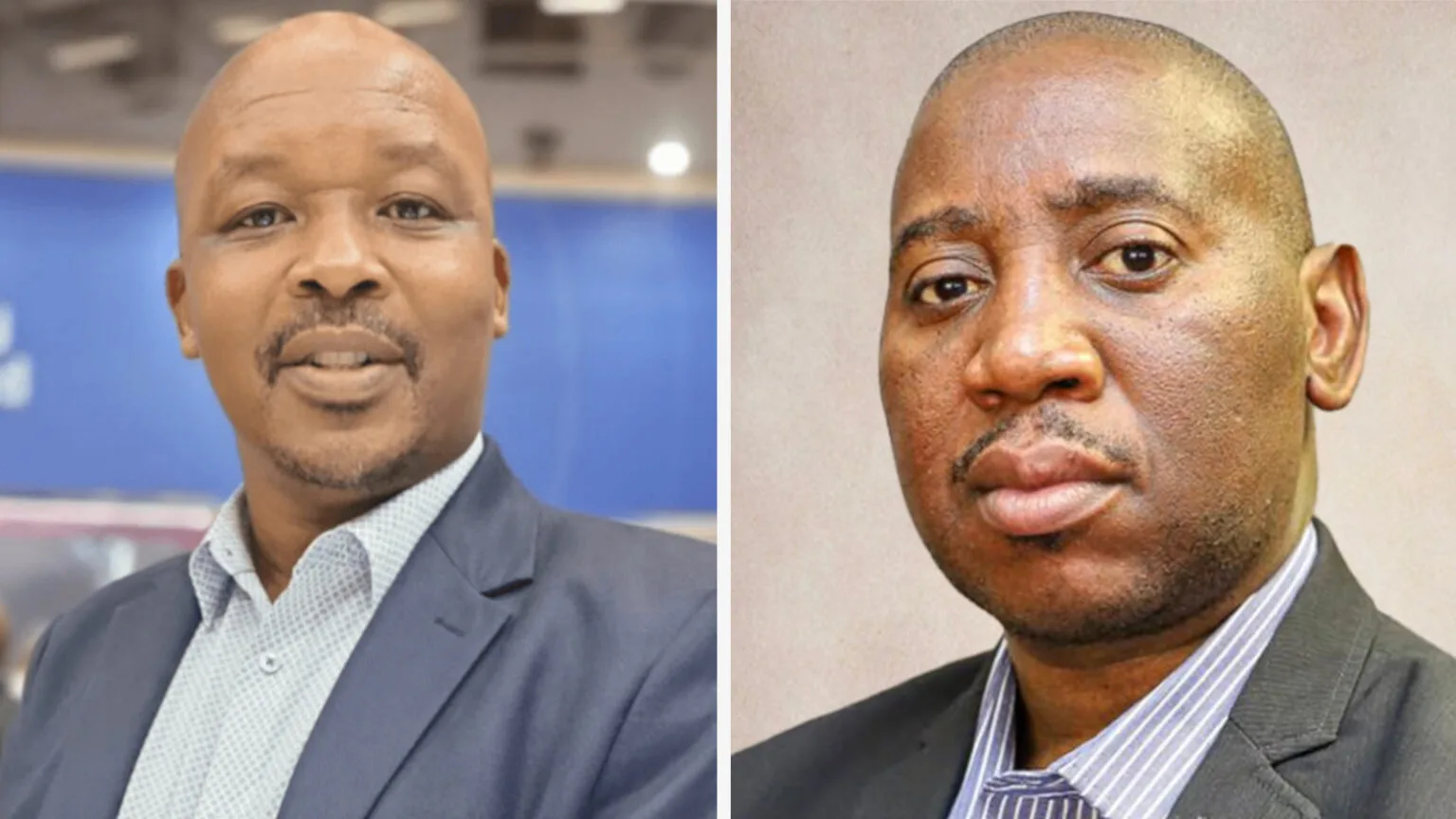
Dumisani Sondlo, the department’s AI policy head, and Mlindi Mashologu, deputy director-general for digital society and economy, have been identified as the two officials under investigation. Mr. Sondlo holds a key position in shaping the department's approach to artificial intelligence, while Mr. Mashologu is responsible for key aspects of the digital society and economy, making their alleged involvement particularly noteworthy. Both individuals reportedly posted on social media about their involvement in developing the controversial draft policy document, potentially linking them directly to the content under scrutiny. The officials were reportedly given a deadline of April 29 to provide explanations for the inclusion of fabricated sources within the policy’s reference list. This deadline indicates the urgency with which the department sought clarification regarding the document's integrity. The internal inquiry is examining how these non-existent citations came to be part of the official draft, focusing on the processes and oversight mechanisms that failed to identify such discrepancies earlier. The Department of Communications has not yet released further details regarding the nature of the social media posts or the specific explanations provided by Sondlo and Mashologu by the deadline, maintaining discretion as the investigation proceeds. The investigation continues into the circumstances surrounding the AI-generated content and the extent of human involvement in its creation and review.
Background and Context
Dumisani Sondlo, one of the officials under investigation, has served at the department since 2012, bringing over a decade of experience to his role. His long tenure suggests a deep understanding of departmental procedures and policy development. Mlindi Mashologu, the other official identified, received his appointment in 2020, making him a more recent addition to the senior leadership team. Their combined experience spans a significant period of technological advancement and policy evolution within the department. The current South African inquiry closely follows a similar incident that occurred at the Department of Home Affairs, noting a potential pattern of oversight failures within government departments. In that earlier case, the Department of Home Affairs suspended two officials after the news outlet News24 discovered more than 100 fabricated references. These non-existent citations were found within the Revised White Paper on Citizenship, Immigration and Refugees, demonstrating that the issue of AI-generated or falsified references is not isolated. This prior incident shows the importance of rigorous verification processes for official government documents, especially those that could have broad implications for policy and public trust.
Ministerial Response and Reactions
Communications Minister Solly Malatsi withdrew the Draft National Artificial Intelligence Policy on April 26. This decisive action came swiftly after a News24 investigation exposed a series of fabricated references contained within the document. The news outlet's probe revealed multiple non-existent citations, prompting the immediate withdrawal of the draft policy from consideration to prevent its further progression with compromised information. Minister Malatsi's swift response emphasized the government's commitment to maintaining the integrity of its policy documents.
The News24 investigation specifically noted the presence of falsified sources, which were later confirmed by further scrutiny, solidifying the claims of journalistic integrity. Separately, the publication Article One identified six fictitious sources within the policy document, adding to the growing concerns about its integrity and the extent of the fabricated content. These findings raised serious questions regarding the due diligence performed during the drafting process and the potential, and now strongly suspected, use of AI tools to generate content without proper human review. The withdrawal by Minister Malatsi initiated the formal inquiry into how such fabricated information became part of an official government document, aiming to identify accountability and implement measures to prevent future occurrences. The incident has also sparked broader discussions about the responsible integration of artificial intelligence into governmental processes and the critical need for human oversight to ensure accuracy and reliability.