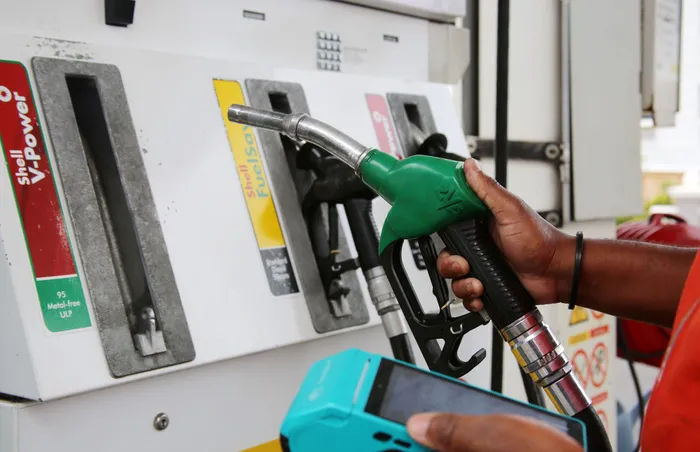
South African motorists can expect significant fuel price increases from Wednesday, May 6, marking a challenging period for household budgets and commercial operations across the nation. Reports indicated an average petrol increase of R1.88 per litre, a substantial adjustment that will be felt at the pumps. Concurrently, diesel prices are expected to rise by R4.03 per litre, presenting an even steeper climb for industries reliant on this fuel. Diesel will, however, see a further 93 cents reprieve for the month of May, offering a slight mitigation to what would otherwise be an even more pronounced increase. This reprieve provides a momentary cushion amidst the broader upward trend in fuel costs.
If forecasts materialize, the impact on consumers will be immediate and widespread. 95 Unleaded petrol will cost around R24.41 per litre at the coast and R25.24 inland, reflecting the additional transportation costs associated with supplying fuel to interior regions. The wholesale price of 50ppm diesel is expected to rise to about R29.38 at the coast and R30.14 in Gauteng, indicating a new benchmark for this essential fuel. These anticipated hikes are set to impact consumers nationwide, influencing everything from daily commutes to the cost of goods and services. The projected diesel price resulting from these changes will constitute a new price record for the country, surpassing previous peaks and showing the severity of the current market conditions. This record-breaking price for diesel is particularly concerning given its critical role in the logistics and agricultural sectors.
Underlying Price Pressures
The significant increases are rooted in a combination of global market dynamics and domestic factors. Month-end data from the Central Energy Fund indicated under-recoveries of R1.73 for 93 Unleaded petrol and R2.04 for 95 Unleaded, signaling that current retail prices are not adequately covering the cost of fuel procurement. These under-recoveries highlight the financial strain on fuel suppliers and the necessity for price adjustments. May’s fuel prices were initially based on Brent crude oil prices averaging below $100 per barrel, a level that would have offered some stability. However, the global energy landscape has shifted dramatically, with Brent crude oil recently trading between $113 and $126 per barrel over the past week, reflecting a significant upward trend that directly impacts import costs. This sharp increase in international crude oil prices is a primary driver of the domestic fuel price hikes.
Oil prices have risen by nearly a third since the conflict began on February 28, creating a volatile and expensive environment for oil-importing nations like South Africa. These increases for May are almost solely the result of rising international product prices, according to analysis, emphasizing the external nature of the current inflationary pressures on fuel. The rand's performance, while always a factor in import costs, has had a negligible effect on the overall price changes this month, contributing approximately three to five cents to the adjustments. This minimal contribution from the exchange rate shows that the primary impetus for the hikes is the escalating cost of refined petroleum products on the international market.
For diesel, the wholesale margin is expected to add a further R2.50 to R3, depending on the specific retail outlet. This additional margin compounds the impact of international price movements on the final cost to consumers and businesses. The inclusion of this margin is a standard practice, but its effect is amplified during periods of already high base prices. The combination of rising international product prices, the wholesale margin, and the under-recoveries reported by the Central Energy Fund paints a clear picture of the pressures leading to these substantial increases.
Government Tax Relief and Future Costs
In an effort to mitigate the immediate impact on consumers, the R3 fuel tax relief for petrol will remain in place during May, according to reports. This measure follows an earlier decision by South Africa to cut the fuel levy by 3 rand per litre for both petrol and diesel, a significant intervention designed to cushion the blow of rapidly escalating global oil prices. However, this relief is temporary. Motorists are expected to pay the full General Fuel Levy amounts from July onwards, which will be R4.10 on petrol and R3.93 for diesel. The reintroduction of the full levy will add another layer of cost to fuel prices later in the year, potentially exacerbating the financial burden on consumers and businesses.
The extension of the fuel tax relief, while beneficial for consumers in the short term, comes at a considerable cost to the national fiscus. The measure is estimated to cost the government between 10 billion rand ($609 million) and 12 billion rand. This substantial expenditure reflects the government's commitment to supporting its citizens through economic hardship. The Treasury estimates it will forgo approximately 6 billion rand in revenue due to this intervention, noting the trade-off between consumer protection and government income. This foregone revenue could otherwise be allocated to other public services or infrastructure projects. The decision to extend the relief shows the perceived urgency of addressing the fuel price crisis.
Economic Context and Consumer Impact
The broader economic context in South Africa adds another layer of complexity to the fuel price situation. South Africa possesses sufficient fiscal space to extend its fuel-tax relief for up to two months, a measure intended to protect consumers from the impact of an oil price shock potentially triggered by the Iran war, according to Citigroup Inc. This assessment from a major financial institution provides a degree of confidence in the government's ability to manage the crisis, at least for a limited period. This potential extension comes as consumer inflation, which stood at 3% in February, is projected to reach a peak of 4.3% in April. Rising fuel costs are a significant contributor to overall inflation, as they increase transportation costs for goods and services, which are then passed on to consumers.
The impending record price increases have already shown signs of strain on the supply chain, with over 140 petrol stations reporting struggles to meet demand ahead of what were anticipated to be record hikes in April. This indicates pre-emptive buying and logistical challenges, further complicating fuel distribution. Despite these pressures, the petrol price remains below the peak recorded in July 2022, which was R26.09 per litre. While this offers a slight historical perspective, the current trajectory and the record-breaking diesel prices remain a cause for significant concern. The economic implications of rising fuel costs are significant for households and businesses, particularly given the inflationary environment and the ongoing recovery from previous economic downturns. High fuel prices disproportionately affect lower-income households, who spend a larger percentage of their income on transport, and small businesses, which operate on tighter margins.
Long-Term Supply Strategies
In response to the volatile global fuel market and the need for energy security, South Africa is currently negotiating new 12-month fuel import contracts to secure long-term supply. These discussions are key for stabilizing fuel procurement amidst global market fluctuations and domestic price pressures. The country is actively engaged in dialogue with various international partners to diversify its supply sources and ensure a consistent flow of fuel. These discussions include engagements with Nigeria's Dangote Refinery, a significant player in the African refining landscape. The South African government seeks to establish a standard 12-month supply agreement with Nigeria, aiming to create a more predictable and stable supply chain. This strategic move is designed to reduce dependence on spot market purchases, which are highly susceptible to global price volatility, and instead lock in more favorable long-term arrangements. Securing such agreements is vital for South Africa's economic stability and its ability to manage future fuel price shocks.