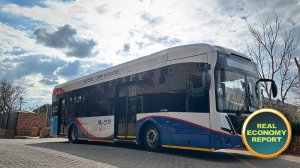
MyCiTi launched its first electric bus (e-bus) in Cape Town, initiating a new phase for the city's public transport system. This significant event marks a key moment for sustainable urban mobility, not just for Cape Town but for the broader South African public transport sector. Gauteng Bus and Coach Centre (GBCC) was selected as the local body manufacturer for Cape Town's 12m-long Volvo BZRLE electric fleet. This partnership shows a commitment to local industrial development within the burgeoning electric vehicle market. The first e-bus for Cape Town is expected to commence operations by July 1, 2027, marking a significant step towards sustainable urban mobility in the region and setting a precedent for future electric fleet deployments.
Localizing Electric Mobility
Gauteng Bus and Coach Centre (GBCC) aims to scale its e-bus manufacturing operations and the assembly of electric chassis in South Africa. This strategic move is designed to foster local capabilities and reduce reliance on imported components, thereby strengthening the domestic automotive industry. Following regulatory amendments in December 2025, GBCC registered its assembly facility in Johannesburg, Gauteng, with the International Trade Administration Commission of South Africa (Itac). This registration was a key step, enabling the company to officially proceed with its ambitious plans for local production and assembly. GBCC CEO and founder Riaan Bouwer stated that the company's objective is to develop South African manufacturing capabilities around the design, engineering, and production of buses. This vision extends beyond mere assembly, aiming for a full local value chain.
Bouwer emphasized that the company's objective is "not simply to assemble buses locally, but to develop a South African manufacturing capability around the design, engineering and production of buses." This statement notes a long-term commitment to fostering deep-seated industrial expertise within the country. He added that "local content must translate into real local skills, engineering capability and value creation." This perspective shows the importance of human capital development and economic enrichment alongside technological advancement. Bouwer further noted that "the transition to electric mobility gives South Africa an opportunity to develop its own solutions rather than simply importing finished vehicles." This transition presents a unique chance for the nation to innovate and tailor solutions specifically suited to its unique operating environment and infrastructure.
The company is designing and building electric bus bodies specifically for South African operating conditions. This approach ensures that the vehicles are strong and well-suited to the local climate, road conditions, and passenger requirements, which can differ significantly from international standards. Bouwer affirmed that "the company is designing and building electric bus bodies specifically for South African operating conditions, while ensuring that the engineering, safety, quality and performance standards are comparable with anything being produced internationally." This dual focus on local suitability and global quality benchmarks is central to GBCC's strategy. GBCC's ambition, according to Bouwer, is "to demonstrate that a bus designed and built in South Africa can meet international standards while being better suited to the conditions in which it will operate." This ambition reflects a desire to establish South Africa as a capable and competitive player in the global electric bus manufacturing sector.
Driving Factors and Challenges
More bus operators are inquiring about adopting electric buses, driven by increasing diesel prices. The escalating cost of traditional fossil fuels is making the economic case for electric alternatives increasingly compelling for fleet owners and public transport authorities. Dirk van der Merwe, GBCC finance head, stated that while the initial cost of ownership for e-buses had been a barrier, "the recent high prices of diesel have led operators to start considering e-buses as a more viable alternative." This shift in interest comes as Cape Town prepares to receive 38 electric buses this year, a substantial order that signals growing confidence in the technology and its operational benefits. The delivery of these buses will further accelerate the city's transition to a greener public transport system.
However, challenges persist in the broader adoption of e-buses. These challenges are not merely financial but also extend to infrastructure and operational adjustments. Van der Merwe noted that "one of the challenges hindering the adopting of e-buses is the change in refuelling infrastructure needed for operators." This requirement for new charging infrastructure represents a significant operational adjustment for bus operators accustomed to traditional diesel refuelling stations. The transition necessitates investment and planning beyond the acquisition of the vehicles themselves, including the establishment of charging depots, grid upgrades, and energy management systems. Overcoming these infrastructural hurdles will be critical for widespread e-bus deployment across South Africa.
Industry Confidence and Future Vision
Gauteng Bus and Coach Centre (GBCC) finance head Dirk van der Merwe stated that the e-buses piloted by MyCiTi are increasing confidence in the technology. These pilot projects provide invaluable real-world data and demonstrate the reliability and efficiency of electric buses under local operating conditions. Van der Merwe noted, "the e-buses being piloted by MyCiTi are paving the way for increased confidence in the technology." This growing confidence is key for encouraging further investment and adoption across the public transport sector. He added that while the cost of ownership for e-buses was an initial barrier, "the recent high prices of diesel have led operators to start considering e-buses as a more viable alternative." This economic imperative is a powerful driver for change, pushing operators to re-evaluate their long-term fleet strategies.
GBCC's planned addition of electric chassis assembly aims to develop local skills, increase localisation, and lower buying costs compared to fully imported e-buses. This move towards Completely Knocked Down (CKD) electric chassis assembly is expected to create new employment opportunities and transfer advanced manufacturing knowledge to the local workforce. By reducing the reliance on imported finished vehicles, GBCC anticipates making electric buses more affordable and accessible for South African operators. Riaan Bouwer, CEO and founder of GBCC, emphasized that "the transition to electric mobility gives South Africa an opportunity to develop its own solutions rather than simply importing finished vehicles." This strategic focus on local innovation and production is key to building a sustainable and self-sufficient electric vehicle industry. He confirmed that the company is designing and building electric bus bodies specifically for South African operating conditions. This bespoke approach ensures optimal performance and durability in the challenging local environment. Bouwer stated, "the company is designing and building electric bus bodies specifically for South African operating conditions, while ensuring that the engineering, safety, quality and performance standards are comparable with anything being produced internationally." This commitment to both local relevance and international quality standards positions GBCC as a leader in South Africa's journey towards electrified public transport.