The South African film "Variations on a Theme" received the prestigious Tiger Award, the top prize at the 2026 International Film Festival Rotterdam. This accolade notes the film's narrative, which focuses on the challenges faced by elderly individuals. The film particularly explores how Ouma Hettie's previously peaceful life was disrupted by what the filmmakers describe as predatory modernity, specifically referring to scammers who exploited her. The jury of the International Film Festival Rotterdam recognized the film for its compelling narrative structure and its profound exploration of social issues, making it a standout entry among a competitive field of international productions.
The narrative portrays an invasion of Ouma Hettie’s tranquil existence, contrasting her established way of life with the sudden intrusion of exploitative elements. This theme of elder exploitation within a modern context resonated deeply with the festival's jury, who lauded the film's sensitive yet unflinching portrayal of a vulnerable population. The film's success at the International Film Festival Rotterdam shows its significant impact in addressing contemporary social issues while gaining international recognition for its storytelling and thematic depth. Its victory at such a prominent festival elevates the profile of South African cinema on the global stage, showcasing the country's rich storytelling tradition and its capacity to produce works that resonate universally.
Roots in Kharkams and War Service
In 1941, Petrus Jakobus Beukes, then 19 years old, traveled from Kharkams in the Northern Cape to participate in World War 2 in Europe. His journey from a remote South African community to the battlefields of Europe represents a significant, often overlooked, chapter in the history of the global conflict. For his four years of service during the conflict, Beukes received a pair of leather boots and a bicycle as his payment. This form of compensation stands in stark contrast to the experiences of many other soldiers, particularly those from different racial backgrounds. The film later explores how this historical precedent of compensation for service compares to the experiences of others, drawing a direct line between past injustices and present-day vulnerabilities.
The film includes a segment where four older men reflect on the disparities in how their forefathers were compensated for their war service compared with their white counterparts. These reflections provide a poignant historical context, noting the long-standing inequities that have shaped communities like Kharkams. This comparison notes a historical theme within the narrative, emphasizing how the legacies of colonial practices continue to influence contemporary social structures and individual experiences. The experiences of individuals like Petrus Jakobus Beukes serve as a foundational element, informing the broader discussion of colonial legacies and exploitation that the film addresses. The film draws a direct line from historical injustices in compensation to contemporary issues faced by elders, including exploitation, demonstrating how past policies have ripple effects through generations. The recollections of the four men provide a qualitative perspective on the long-term impact of these historical compensation practices on the community and individual families, offering a powerful testament to the enduring memory of such disparities. Their testimonies show a collective memory of unequal treatment that has persisted for decades, making the film's exploration of these themes particularly resonant.
Filmmaking Vision and Creative Process
Filmmakers Jason Jacobs and Devon Delmar have described their creative partnership as “one of the great blessings” in their lives. This deep professional and personal connection has been instrumental in shaping their artistic output. The film "Variations on a Theme" draws upon the knowledge and experience gained from an eight-year collaboration between Jacobs and Delmar, a period marked by intense creative exchange and shared vision. They stated that before writing, they "first spend months and months talking, and we pretty much have the story and characters down in our heads." This careful pre-production process ensures a strong narrative foundation before a single word is committed to paper. They acknowledged that creative differences can arise but explained, "We’d be creating very boring things if we didn’t have creative differences here and there." They view these differences not as obstacles but as opportunities for growth and refinement. When such differences occur, they "take our time to unravel where that disparity arose" to find a "third solution that is better than the ones we would have arrived at on our own," a testament to their collaborative synergy.
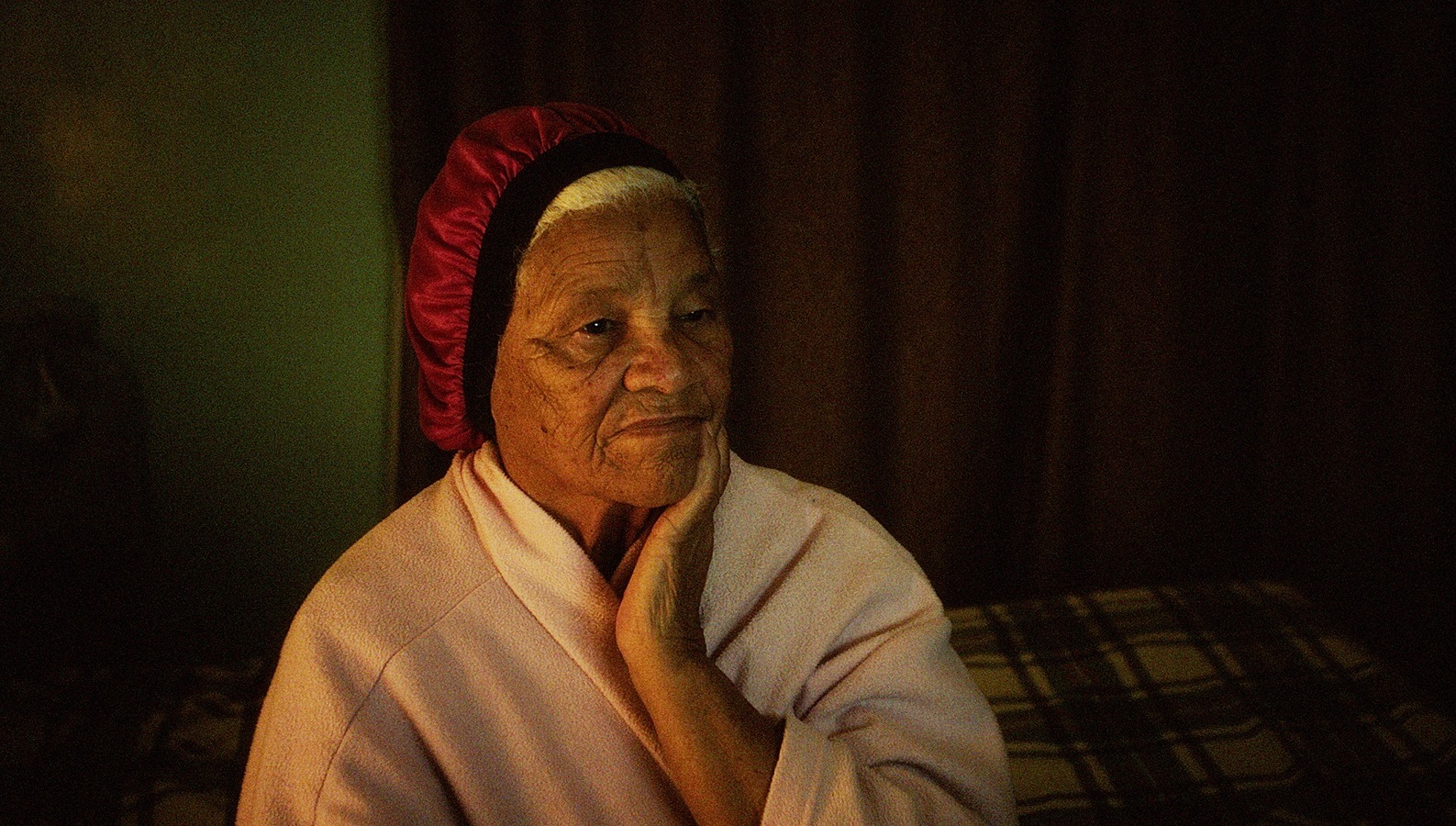
The casting process for "Variations on a Theme" focused not on scouting for talent, but on “honouring legacy and lineage.” This unique approach allowed for a deeply authentic portrayal of the characters and their stories. Hettie Farmer, Jason Jacobs’s grandmother, plays the lead role of Ouma Hettie in the film, bringing an unparalleled level of personal connection and lived experience to the character. This decision to cast a family member shows the film's commitment to authenticity and its intimate connection to the community it depicts. Jacobs and Delmar noted that they felt "an urgent responsibility to raise awareness about this exploitation and to confront a colonial legacy of shame, guilt and erasure that continues to silence so many people in small communities." Their filmmaking is thus not merely an artistic endeavor but a social mission, aimed at giving voice to the marginalized. They added, "At the end of the day, it remains the people’s story, and we are the ones who are only a bit more knowledgeable on how to craft it in a way that speaks to our artistic voice as a duo," humbly positioning themselves as conduits for a larger communal narrative.
The film "Variations on a Theme" unfolds according to a repeating visual structure inspired by the musical compositional form ‘Theme and Variations’. This artistic choice allows the film to explore its central themes with depth and nuance, revisiting motifs and characters from different perspectives. This approach allows the film to fuse realism with elements of magical realism, such as a glass of milk sliding across a table or a chair pulling itself out from a table. These subtle touches of magical realism serve to heighten the emotional impact and symbolic weight of the narrative, inviting viewers to look beyond the purely literal. Jacobs and Delmar explained their motivation, stating, "When we learnt that elders were and are being scammed out of their Sassa grants (in most cases, this is their sole monthly income) through fraudulent application fees for alleged reparations, we knew this story had to be told." This discovery served as a powerful catalyst for the film's creation, noting the urgent need to address a widespread social injustice. They concluded, "We need to speak about the past, confront it head-on and continue to deal with the reckoning regardless of how painful it may be," emphasizing the film's role as a tool for historical reflection and social redress.
Themes of Exploitation and Autonomy
The film depicts 79-year-old Ouma Hettie, a goat herder in Kharkams and a descendant of Petrus Jakobus Beukes, as she completes a blue form from "The War Veteran Descendants Relief Fund" to claim reparations. This specific detail anchors the film's broader themes in a tangible, bureaucratic process that many elders in similar situations might face. This narrative thread brings to the forefront the broader issues of historical compensation and contemporary exploitation, illustrating how past injustices can manifest in present-day vulnerabilities. Ouma Hettie's personal quest for reparations becomes a powerful symbol for the wider community's struggle for recognition and fair treatment.
The film explores the tension between a family's desire to safeguard an elder and the elder's inherent right to maintain personal autonomy. This dynamic is central to understanding the challenges faced by characters like Ouma Hettie, who navigate the complexities of family protection alongside their own desire for independence and dignity. The production also delves into the themes of waiting, grief, and loss, which are presented as elements intrinsically linked to the erosion of independence. These emotional states are portrayed not just as personal experiences but as systemic consequences of historical and ongoing exploitation, impacting the psychological well-being of the elderly. The film notes how the loss of autonomy, often exacerbated by predatory schemes, can lead to profound feelings of grief and a sense of waiting for a justice that may never fully arrive.
A segment within the film features a man reflecting on the historical compensation offered to non-white soldiers for their service. He remarks on the perceived inadequacy of these payments, stating, "I heard that some of our people here from Kamiesberg area were paid for their service with a bicycle. Were they supposed to eat the bicycle?" This powerful rhetorical question shows the historical disparities in how different groups were treated following their military contributions, revealing the deep-seated resentment and sense of injustice that persists. The film uses such reflections to connect past injustices with the vulnerabilities experienced by elders in the present, demonstrating a continuity of exploitation that spans generations. These historical narratives provide a critical lens through which to view the contemporary challenges faced by Ouma Hettie and others, emphasizing that current exploitation is often rooted in a legacy of systemic inequality.
Screenings and Broader Impact
The film "Variations on a Theme" is scheduled for a limited one-week theatrical release in South Africa. This local release is a key step in bringing the internationally acclaimed film to the audiences whose stories it represents. Screenings will commence on May 8 at The Labia and Ster-Kinekor V&A Waterfront in Cape Town. Concurrently, the film will be shown at The Bioscope and Ster-Kinekor Rosebank Nouveau in Johannesburg. This strategic distribution plan aims to maximize accessibility for South African viewers in major urban centers. This release follows its international recognition, bringing the narrative about colonial legacies and elder exploitation to local audiences, fostering a key dialogue within the country. The distribution plan aims to allow wider engagement with the film's themes, particularly its portrayal of Ouma Hettie's experiences and the historical context of compensation for war service. By making the film available to local communities, the filmmakers hope to spark conversations about elder abuse, historical injustices, and the importance of preserving the dignity and autonomy of older generations. The limited run encourages immediate engagement, inviting viewers to participate in the critical discussion the film provokes.