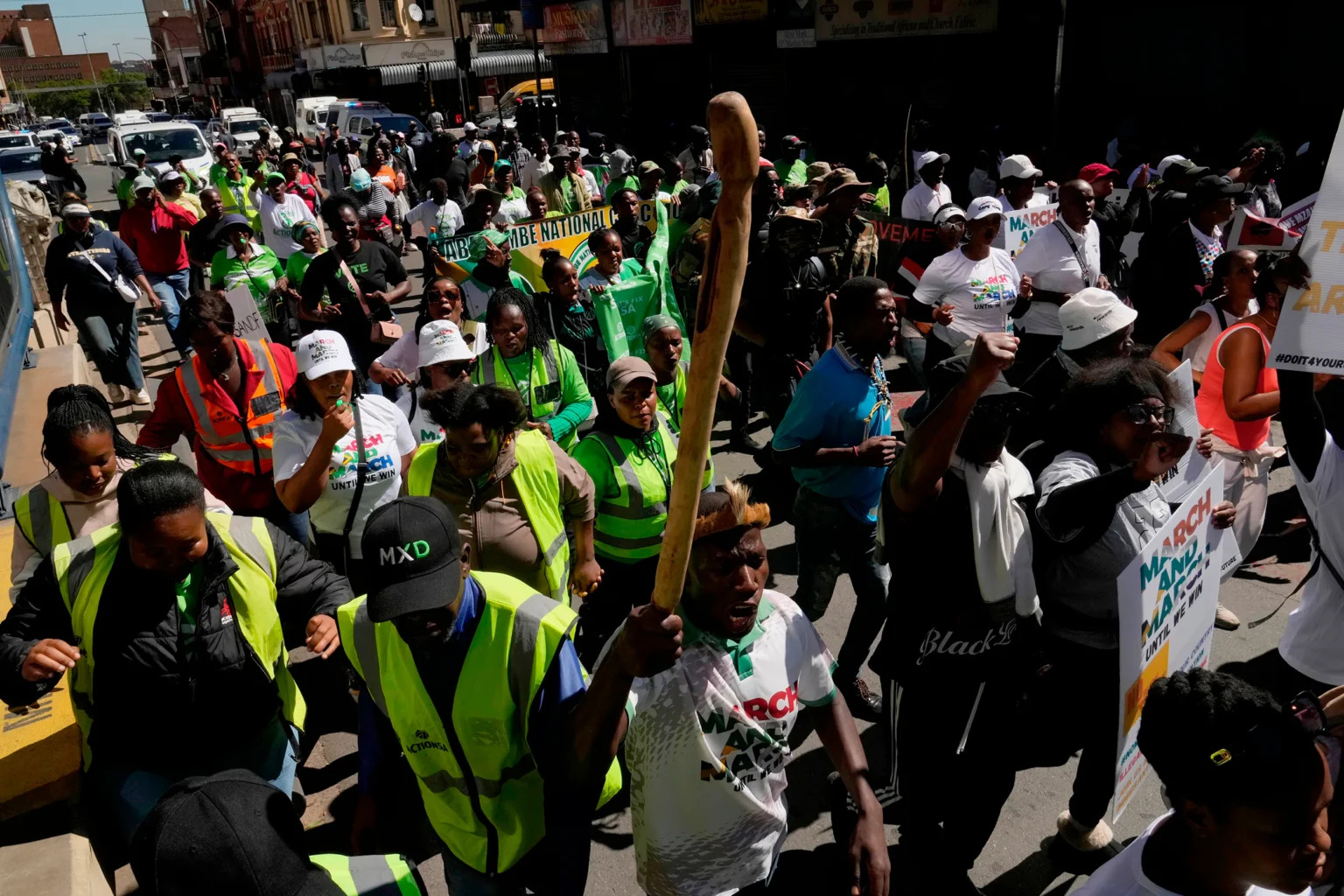
Vigilante groups have been attacking foreign nationals, particularly Black African migrants, across South Africa for several months, often employing weapons such as clubs, whips, knives, and spears. These groups have been observed using a range of weapons, including clubs, whips, knives, and spears, in their confrontations. The latest wave of anti-migrant violence began in mid-April in the coastal province of KwaZulu-Natal. This initial outbreak marked a significant escalation in tensions. The attacks then spread to major urban centers including Pretoria and Johannesburg, demonstrating a rapid geographical expansion of the unrest. More recently, the violence has reached Cape Town and other cities, marking a further geographic expansion of the unrest and impacting a broader segment of the country. This pattern of attacks notes a deeply concerning trend of xenophobia and targeted aggression.
Clergy Urge Compassion and Aid
South African clergy have appealed for compassion and aid amidst rising anti-migrant sentiment. Their calls come as the nation grapples with the humanitarian consequences of the escalating violence. Archbishop Sithembele Sipuka noted the severe impact of the violence, stating that in KwaZulu-Natal alone, hundreds have been left homeless, and the livelihoods of 1,000 local families have been destroyed. This widespread displacement and economic devastation show the urgent need for intervention and support. Archbishop Sipuka attributed much of the anti-migrant accusations to "widely circulated and inflammatory public rhetoric, arbitrary deadlines, misinformation and panic." He emphasized that such rhetoric fuels animosity and misunderstanding, leading to tragic outcomes for vulnerable populations. He urged a practical response to suffering, stating, "If it's a cup of water that we can give, let us give it. If it is a blanket, let us give it. If it is food or medication or simply shelter and a kind presence, let us give that." This plea for direct humanitarian assistance reflects a deep concern for those affected by the violence.
Archbishop Sipuka also emphasized the importance of addressing the underlying grievances of the population. He acknowledged that while the violence is unacceptable, the frustrations of some South African citizens should not be ignored. "If we denounce the anger without listening to the reasons given for it, we shall not be heard by those who hold it," he said. He further elaborated on the dangers of dismissing these concerns, stating, "To dismiss their grievances unheard is to drive them further into the arms of those who hide behind that anger to dereliction of duty … ." This perspective suggests a need for a nuanced approach that tackles both the symptoms and root causes of xenophobia. Meanwhile, a South African anti-illegal immigration group called March and March issued a June 30 'deadline' for all undocumented people to flee the country. This ultimatum further exacerbated tensions and contributed to the climate of fear among foreign nationals. The director of the World Health Organization, Tedros Adhanom Ghebreyesus, reported casualty and displacement figures in a June 14 post on X, formerly known as Twitter, drawing international attention to the crisis. This article is part of the 'Immigration and the Church' feature series, which explores the role of faith communities in addressing migration issues.
Historical Context and Current Drivers
South Africa's migrant population has experienced xenophobic attacks consistently since 1994, the year apartheid officially ended. This history of violence against foreign nationals notes a persistent societal challenge that has plagued the country for decades. These incidents have recurred over the past three decades, often targeting individuals perceived as foreign nationals, particularly those from other African countries. The ongoing violence reflects a long-standing tension within the country regarding immigration, often fueled by economic anxieties and social pressures. The end of apartheid brought new freedoms but also new challenges, including a rise in migration that some segments of the population have struggled to integrate.
Statistics South Africa estimates that between 2.4 and 3.1 million foreign-born individuals currently reside in the country. This significant demographic presence contributes to the complex societal dynamic. This demographic includes a significant number of economic migrants and asylum seekers, many of whom are seeking better opportunities or fleeing instability in their home countries. Their presence, while contributing to the nation's economy and diversity, frequently fuels anti-migrant sentiment and related violence, as competition for resources and jobs is often cited as a contributing factor. The economic disparities and high unemployment rates within South Africa further complicate this issue, creating fertile ground for xenophobic narratives to take root.
Faith Leaders' Response and Call to Action
The recent violence has resulted in at least 12 deaths, a tragic toll that shows the severity of the attacks. Beyond the fatalities, there has been widespread destruction of businesses and homes belonging to foreign nationals, leading to significant economic losses and displacement. Thousands of migrants are fleeing South Africa or seeking shelter in community centers, mosques, churches, and police stations, noting the urgent humanitarian crisis. This mass displacement places immense strain on existing social services and community resources. This crisis unfolds in a nation where approximately 85% of its 65 million citizens identify as Christian. The strong Christian presence in South Africa means that the calls for compassion and aid from religious leaders carry significant moral weight and reach a large portion of the population. Their intervention is seen as key in fostering a more humane and understanding environment amidst the ongoing turmoil. Faith leaders are actively working to provide sanctuary and support, embodying their spiritual principles in the face of widespread suffering and hostility.