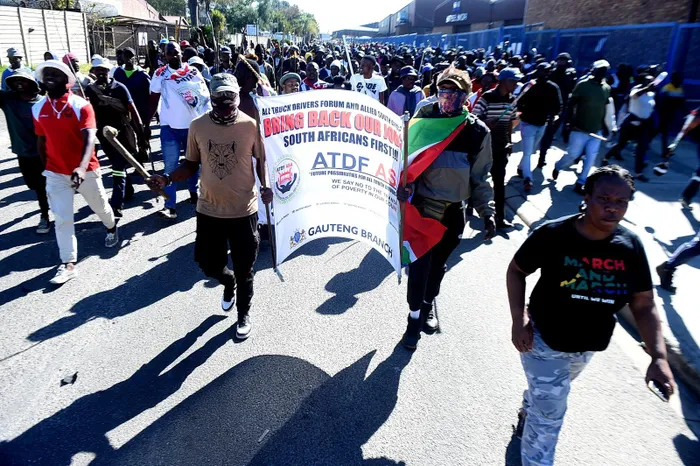
The South African Council of Churches (SACC) leadership has strongly condemned the recent wave of hostility and violence directed at foreign nationals across South Africa, particularly in KwaZulu-Natal, Gauteng, the Free State, and the Western Cape. The church leaders encouraged engagement with sister councils of churches across the Southern African Development Community (SADC) region, stating that "migration is a regional challenge requiring regional solidarity, cooperation and understanding."
They urged immediate humanitarian action, emphasizing, "Let us not theorise while people suffer. If it is a cup of water that we can give, let us give it. If it is a blanket, let us give it. If it is food, or medication, or simply shelter and a kind presence, let us give that.” The SACC stressed that action should not wait for a complete resolution, adding, "The hungry and the frightened are with us today, and we must, to the best of our ability, do something." They acknowledged the scarcity in the land bred by corruption and leadership failures, but insisted, "hardship must never drive us to react from the basest of our instincts." They concluded by stating, "The stranger at our gate is not our enemy; he is our neighbor, and in him we meet our Lord."
Church Leaders Speak Out
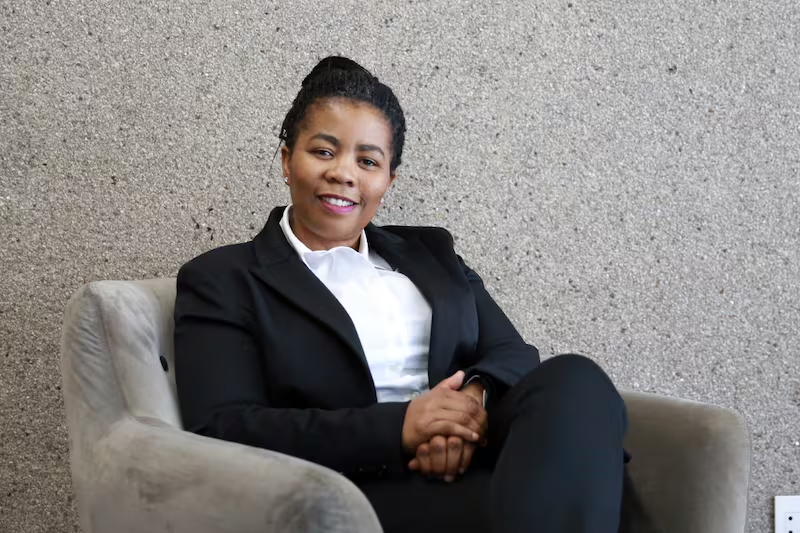
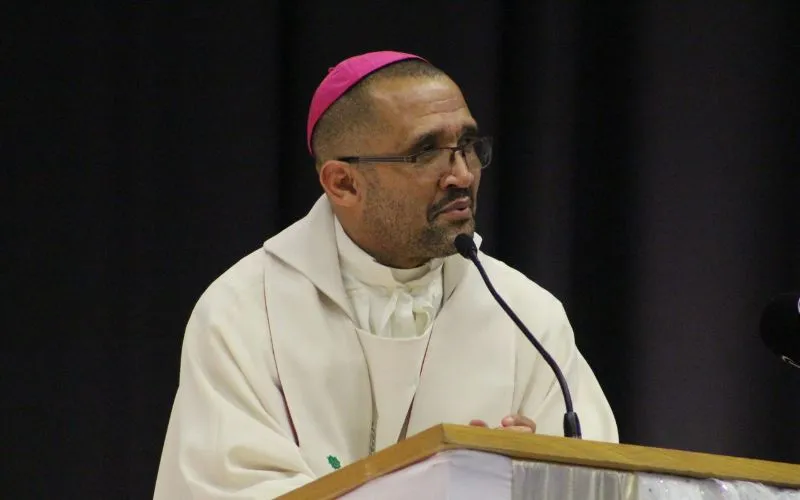
Archbishop Sithembele Sipuka, President of the South African Council of Churches (SACC), issued a pastoral letter on Tuesday, June 9, addressing the escalating situation. Archbishop Sipuka stated, "Across our land, a wave of hostility, intimidation, and violence has risen against our brothers and sisters from other countries living among us. What began as growing tension and organized protest has, in some instances, resulted in injury and the tragic loss of life, drawing concern from across the African continent." He emphasized the church's role, declaring, "As the Church of Jesus Christ in this country, drawn from many traditions but united in one Lord, we cannot keep silent."
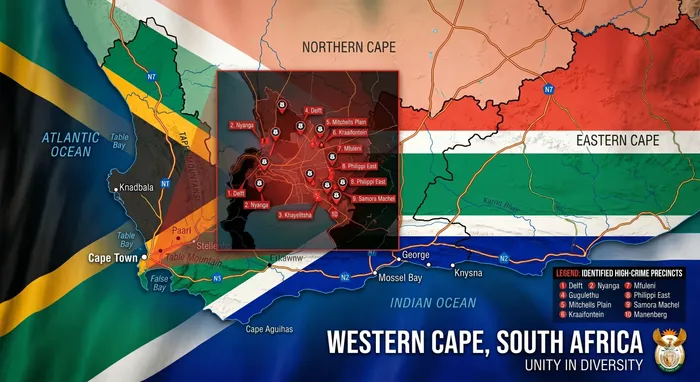
Organized hostility against foreign nationals has been visible since mid-April, initially in KwaZulu-Natal, then spreading to Pretoria and Johannesburg, and subsequently reaching Cape Town and other centers. Archbishop Sipuka acknowledged the suffering, stating, "Beloved, the scarcity in our land bred by corruption and by the failures of leadership and management is real, and the resulting suffering of our people is real. But hardship must never drive us to react from the basest of our instincts." He added, "We are a resurrection people, and we are called, even in want, to respond in a manner that is humane and Christian. The stranger at our gate is not our enemy; he is our neighbor, and in him we meet our Lord."
In KwaZulu-Natal alone, approximately 2,000 migrant families have been affected by the violence. Archbishop Sipuka urged immediate assistance, stating, "Let us not theorise while people suffer. If it is a cup of water that we can give, let us give it. If it is a blanket, let us give it. If it is food, or medication, or simply shelter and a kind presence, let us give that." He stressed the urgency of action, noting, "We cannot wait until this grave matter is solved once and for all before we act. The hungry and the frightened are with us today, and we must, to the best of our ability, do something." He also encouraged engagement with sister councils of churches across the Southern African Development Community (SADC) region, recognizing that "migration is a regional challenge requiring regional solidarity, cooperation and understanding."
Addressing Root Causes
The South African Council of Churches (SACC) rejected claims that foreign nationals are primarily responsible for the country's high unemployment rate. Archbishop Sithembele Sipuka stated, "To blame the stranger is to let these true culprits escape scrutiny, and to turn against the powerless an anger that ought to be directed at the powerful." The SACC identified corruption, inadequate education systems, and exploitative labor practices as the actual root causes of South Africa's unemployment crisis. Archbishop Sipuka emphasized the need for justice, noting, "Crime has no nationality. Where anyone, foreigner or citizen, commits a crime, let him be dealt with according to the law, as a criminal and not as a foreigner. The answer to crime is justice applied to the guilty, never violence visited upon the innocent because of where they were born." He also urged, "Let our churches at all levels host and support honest dialogue that brings together residents, foreign nationals and their organized formations, businesspeople and their organized formations, and the authorities."
Archbishop Sipuka reaffirmed the SACC's commitment to engage with President Ramaphosa and other authorities to protect all individuals within South Africa's borders. He also seeks to address the broader issues of unemployment, failed service delivery, and corruption. "We are compelled by the Gospel to speak and to act," Archbishop Sipuka said, acknowledging, "We must acknowledge the deep frustration, exclusion, and sense of abandonment experienced by many communities who feel their concerns have gone unheard for too long." He differentiated between genuine pain and misdirected anger, stating, "To feel genuine pain is one thing; to lay that pain at the wrong door, and then to take the law into one's own hands, is another."
President Cyril Ramaphosa has announced measures aimed at curbing illegal migration, including stricter enforcement of immigration laws, enhanced border security, and tougher penalties for employers found hiring undocumented migrants. Archbishop Sipuka described the current situation as having been "driven by widely circulated, inflammatory public rhetoric, arbitrary deadlines, misinformation, and panic." He added that "The human cost is already grave. People have been driven from their homes and their shops. They lack food, blankets, shelter, clean water, medical care — including treatment for chronic conditions such as HIV, high blood pressure, and diabetes, and trauma counselling."
Call for Dialogue and Action
Archbishop Sithembele Sipuka urged churches at all levels to host and support honest dialogue among residents, foreign nationals and their organized formations, businesspeople, and authorities. He stated, “Such dialogue must hear the genuine grievances of communities; it must call wrongdoers of every nationality to account; and it must also confront businesses that deliberately employ foreign nationals to pay them less and to evade fair wages and labor obligations.” Archbishop Sipuka emphasized the church’s role in these efforts, stating, “We are compelled by the Gospel to speak and to act.” He added, “We further encourage engagement with sister councils of churches across the Southern African Development Community (SADC) region, recognizing that migration is a regional challenge requiring regional solidarity, cooperation and understanding.”
Archbishop Sipuka also called on congregations to provide practical assistance, such as food, shelter, and medical support, to those displaced by the violence. He urged, “Let us not theorise while people suffer. If it is a cup of water that we can give, let us give it. If it is a blanket, let us give it. If it is food, or medication, or simply shelter and a kind presence, let us give that.” He stressed the immediate need for action, saying, “We cannot wait until this grave matter is solved once and for all before we act. The hungry and the frightened are with us today, and we must, to the best of our ability, do something.” He acknowledged the underlying issues, stating, “We must acknowledge the deep frustration, exclusion, and sense of abandonment experienced by many communities who feel their concerns have gone unheard for too long.” However, he differentiated between grievances and violent action, noting, “To feel genuine pain is one thing; to lay that pain at the wrong door, and then to take the law into one's own hands, is another.” Archbishop Sipuka described the current situation as having been “driven by widely circulated, inflammatory public rhetoric, arbitrary deadlines, misinformation, and panic. The human cost is already grave. People have been driven from their homes and their shops. They lack food, blankets, shelter, clean water, medical care — including treatment for chronic conditions such as HIV, high blood pressure, and diabetes, and trauma counselling.”