South African business confidence showed little change in the third quarter of 2026, according to data published on September 2, 2026, at 13:51 GMT. The stability comes as the nation navigates broader global economic uncertainties, which continue to influence corporate decision-making and investment outlooks. The business confidence index had previously registered 39 points in the preceding quarter, indicating a slight shift but largely consistent sentiment. This latest assessment indicates a generally consistent sentiment among businesses in South Africa during the period under review, suggesting that while conditions are not rapidly improving, they are also not significantly deteriorating. The prevailing mood reflects a cautious equilibrium as firms monitor both domestic and international developments.
Survey Details and Findings
The business confidence index registered 38 points in the third quarter, reflecting a marginal decline from the previous period's 39 points. This narrow fluctuation shows the overall stability in sentiment, even as it points to a slight cooling of optimism. This assessment was derived from a full survey conducted by the Rand Merchant Bank, with its detailed data compiled by the Bureau for Economic Research. The methodology employed by these institutions aims to capture a broad cross-section of business opinions across various sectors of the South African economy. According to the survey’s official statement, "Overall, business sentiment remains subdued, with firms still awaiting renewed impetus to lift confidence and activity." This statement notes a prevailing sense of anticipation within the business community. The findings indicate that while confidence is holding steady, businesses are not experiencing a significant uplift in their outlook, suggesting a continued wait-and-see approach amidst prevailing economic conditions. This cautious stance is a recurring theme in recent economic assessments, pointing to a lack of strong catalysts for immediate growth.
Reasons for Subdued Sentiment
Companies are awaiting the emergence of more favourable conditions, with business sentiment remaining subdued against a backdrop of persistent geopolitical uncertainties. This cautious stance is largely influenced by broader global developments, specifically the ongoing Iran war. The conflict contributes to an environment where firms are hesitant to commit to significant expansion or investment, preferring to observe how international events unfold and their potential ripple effects on global trade and supply chains. This prevailing uncertainty acts as a constraint on optimism, preventing a substantial uplift in business confidence despite its current stability. Businesses are thus maintaining a watchful approach, anticipating clearer signals regarding global stability and economic direction before adjusting their outlook or operational strategies. The geopolitical landscape, particularly the situation in Iran, continues to be a key factor shaping expectations among South African enterprises, impacting everything from commodity prices to investor sentiment. The interconnectedness of global markets means that distant conflicts can directly influence local economic decisions and confidence levels.
Expert Commentary
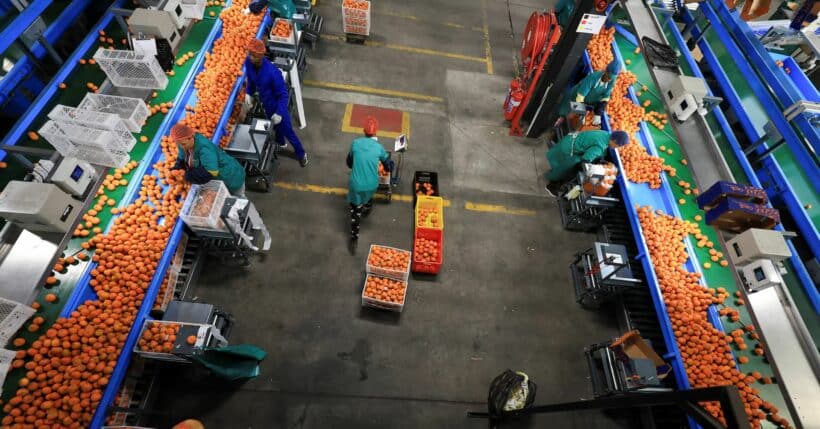
Goede Hoop Citrus, a major agricultural exporter in the Western Cape province, offers a pertinent perspective on the challenges faced by South African businesses operating in an international context. The company, based in Citrusdal, operates within an environment shaped by both local and international factors, including climate conditions, market demand, and global logistics. While the broader business confidence index reflects a stable but subdued sentiment, individual sectors and companies like Goede Hoop Citrus must contend with specific operational and market dynamics that can be highly sensitive to external shocks. The persistent global uncertainties, exemplified by the Iran war mentioned in the broader survey context, directly influence export markets and supply chains, impacting the cost of freight, insurance, and the reliability of international trade routes. This directly impacts firms reliant on international trade, which form a significant portion of South Africa's economy. Companies continue to monitor these developments closely, adapting strategies to mitigate risks and capitalize on opportunities as they emerge within this cautious economic landscape. The overall mood suggests a holding pattern, with businesses awaiting clearer signals for sustained growth and a more predictable global environment before committing to significant new ventures.