Bishop Robert Mogapi Mphiwe, Chairperson of the Department for Christian Formation, Liturgy and Culture at the Southern African Catholic Bishops' Conference (SACBC), has urged South Africans to adopt human and integral ecology. This call comes during the annual Season of Creation, observed from September 1 to October 4. Bishop Mphiwe noted the environmental degradation impacting the nation, emphasizing the critical need for a collective response to these pressing issues. He challenged South Africans to embrace human and integral ecology as the path to safeguarding "our common home."
"Each year, dioceses are encouraged to promote the Season of Creation, observed from 1 September to 4 October," Bishop Mphiwe stated. He also lamented, "Our beautiful hills, plains, and valleys are littered with rubble from uncontrolled dumping. In many urban areas and townships, street corners and neighborhoods have become common sites of illegal and careless dumping. As a result, our rivers, streams, and waterways are severely clogged with plastics and bottles." He emphasized that embracing integral ecology is key for safeguarding "our common home," advocating for a holistic approach that connects environmental, social, and economic well-being.
Season of Creation Theme
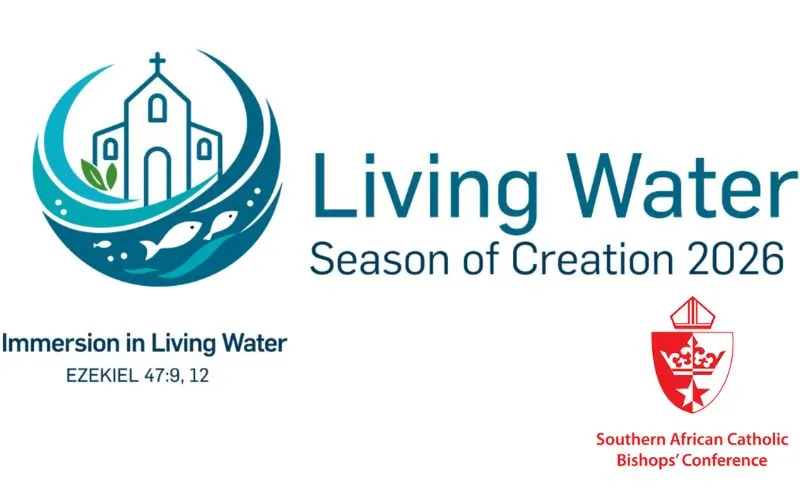
The theme for the 2026 Season of Creation, which is observed from September 1 to October 4, has been announced as “Immersion in Living Waters.” This annual period of prayer and action for the environment encourages Christians worldwide to reflect on their relationship with creation and to address ecological challenges. The theme emphasizes the vital role of water and calls for a deeper engagement with the natural world, noting its sacredness and the necessity of its protection. This theme provides a specific focus for the spiritual and practical activities undertaken during the season.
Call for Conversion and Action
Bishop Mphiwe urged Parish Priests, Deacons, Religious, and the faithful to undertake environmental action during this year's Season of Creation. He invited the people of God in South Africa to observe the Season of Creation by deepening their commitment to environmental care and safeguarding the well-being of all creation. He stressed the importance of active participation from all members of the community in addressing ecological concerns.
Bishop Mphiwe also called on South Africans to undergo a conversion and adopt a changed lifestyle that actively resists environmental degradation. He encouraged every parish to respond to this call by observing the Season of Creation as an urgent and important period of prayer. This period, he emphasized, should be accompanied by practical steps aimed at changing lifestyles and rehabilitating the environment, ensuring that faith translates into concrete actions for ecological restoration and sustainability.
Local Environmental Challenges
Environmental challenges in South Africa include recurring flooding and widespread uncontrolled dumping, which have resulted in severely clogged rivers and waterways. These issues directly impact local ecosystems and human settlements, leading to health hazards and loss of biodiversity. Additionally, the papal encyclical Laudato Si’ and the apostolic exhortation Laudate Deum highlight global environmental crises that are already affecting people's livelihoods, showing the urgency of addressing such degradation both locally and internationally. These documents serve as a powerful reminder of the interconnectedness of human life and the natural world, urging immediate and full action.
Papal Teachings and Roots
The annual Season of Creation draws its foundational principles from significant papal teachings. Its roots are firmly established in two key encyclicals: Pope Francis's Laudato Si’, issued on May 24, 2015, and his apostolic exhortation Laudate Deum, which followed on October 4, 2023. These documents provide a theological and moral framework for understanding humanity's relationship with the environment and call for urgent action on ecological issues. Both encyclicals emphasize the concept of integral ecology, advocating for an approach that recognizes the interconnectedness of social, economic, and environmental justice. The Season of Creation, observed globally by Christians, encourages reflection and action aligned with these papal calls for stewardship of "our common home." The teachings underpin the global movement to address environmental degradation and promote sustainable practices, advocating for a profound ecological conversion in individuals and societies. These papal works specifically call attention to the environmental crises already affecting people’s livelihoods, noting the human impact of ecological destruction.