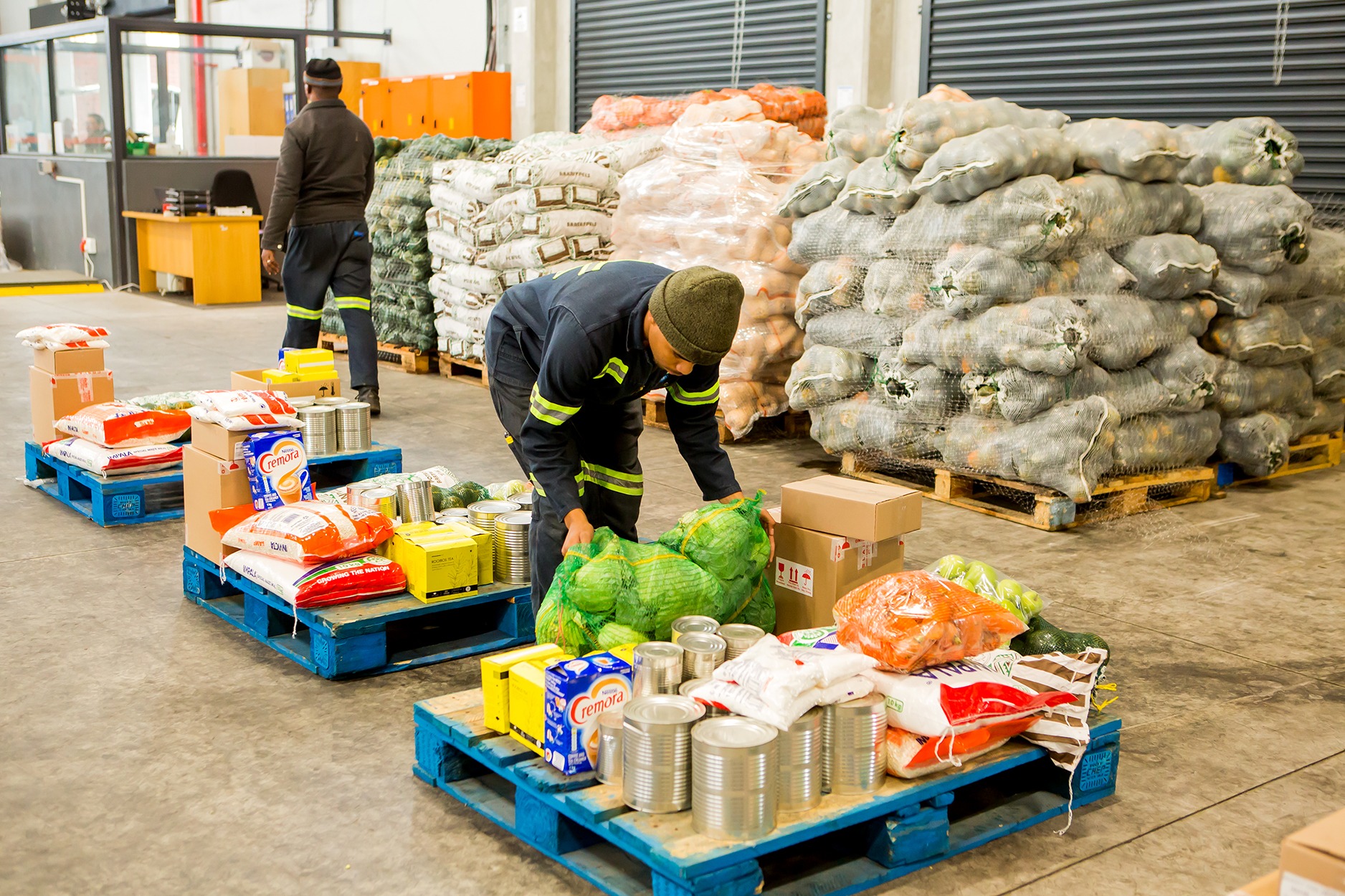
South Africa's Bureau of Standards (Sabs) published a draft standard for food donation on April 17, aiming to address the significant issue of food loss and waste in the country. This initiative comes as South Africa loses or wastes more than 10 million tonnes of largely edible food annually. The new standard is expected to streamline processes for donating surplus food, potentially redirecting it to those in need rather than landfills. The publication of this draft standard marks a critical step in the nation's efforts to combat both food waste and widespread food insecurity.
Understanding the New Standard
Sans 2088 is South Africa’s first national standard for food donation and redistribution. The standard originated from a proposal by FoodForward SA, a non-profit organization dedicated to alleviating hunger. A key aspect of the new standard involves clarifying date markings on food products to facilitate donations, providing much-needed guidance to both donors and recipients. This clarity is key for ensuring that safe, edible food is not discarded due to misinterpretation of labels.
The standard distinguishes between different date labels, offering precise definitions to guide donation practices. A "best before" date indicates quality, meaning that while food may taste or look slightly different after this date, it is not necessarily unsafe for consumption. This distinction is vital, as many perfectly edible items are currently discarded simply because they have passed their "best before" date. In contrast, a "use by" date relates directly to safety; food cannot be donated, sold, or consumed past this date unless it was frozen before its expiration. This clear guideline ensures public health and safety. Another marking, "sell by," serves primarily as a stock management tool for retailers. Food items past their "sell by" date can still be donated provided their "use by" date has not yet passed, allowing for the redistribution of products that are still safe and wholesome. These definitions are designed to empower businesses to make informed decisions about donating surplus food, reducing unnecessary waste.
The development of Sans 2088 involved a technical committee comprising 14 participating members. This committee, representing diverse stakeholders, worked diligently to formulate the full guidelines. Their collaborative effort ensured that the standard addresses the practical challenges and opportunities within the food donation ecosystem. In October 2023, a ballot conducted among industry stakeholders resulted in a unanimous vote in favour of the standard, indicating broad support for its implementation across various sectors. This consensus reflects a shared understanding of the urgent need for such a framework and a collective commitment to its success.
Addressing Food Waste and Insecurity
South Africa faces significant challenges with food insecurity, affecting 63.5% of its households. This widespread insecurity persists even as the country grapples with substantial food loss and waste. FoodForward SA, a non-profit organization, initiated efforts to address this by approaching Sabs in June 2023. The organization presented full research on the interconnected issues of food loss, waste, and insecurity, noting the urgent need for a structured approach to food redistribution. This proactive engagement showed the potential for a national standard to create a more efficient and impactful food recovery system.
A considerable portion of food waste in South Africa occurs early in the supply chain. Nearly half of all food waste takes place at the processing and manufacturing stage, indicating a critical point where interventions can significantly reduce overall waste. This early-stage waste contributes to both economic losses for producers and environmental concerns, such as greenhouse gas emissions from landfills, while also exacerbating the problem of food scarcity for vulnerable populations. By focusing on clearer guidelines for donation, the new standard aims to capture more of this surplus food before it becomes waste, thereby addressing multiple societal and environmental challenges simultaneously.
The development of the new standard also seeks to mitigate risks for potential food donors. Under Section 61 of the Consumer Protection Act, strict liability applies across the entire supply chain, regardless of negligence. This provision means that any entity involved in the production or distribution of food could be held liable for harm caused by defective products, even if they were not directly responsible for the defect. The perceived legal risks associated with donating surplus food have been a significant barrier for businesses, making many hesitant to participate in donation programs. Companies often choose to discard edible surplus food rather than risk potential litigation. The new standard aims to provide clearer guidelines and potentially reduce this apprehension, encouraging more businesses to donate edible surplus food rather than disposing of it. By offering a standardized framework, it intends to build confidence among potential donors, ensuring that more food reaches those who need it most.
Potential Impact and Goals
Andy du Plessis, the chief executive officer of FoodForward SA, estimates the new standard could eventually unlock up to one million tonnes of surplus food. This substantial volume of food, currently going to waste, represents a significant opportunity to address hunger. Mr. Du Plessis indicated that a successful implementation of the standard would be marked by a 40% to 50% increase in donations for redistribution organizations within a year. This anticipated surge aims to significantly address food insecurity across the country, providing much-needed sustenance to millions of food-insecure households. FoodForward SA has already reported a 17% year-on-year increase in food donations, suggesting a growing momentum even before the full impact of the new standard is realized. This existing growth indicates a willingness within the industry to participate in food donation, which the new standard is expected to amplify. The long-term vision is to create a sustainable and efficient system that consistently diverts surplus food from landfills to plates.
Challenges and Stakeholder Perspectives
The draft standard was published by the South African Bureau of Standards (Sabs) on 17 April and is open for public comment until June 16, allowing various stakeholders to provide input on its provisions. This period of public engagement is key for refining the standard and ensuring it is practical and effective for all parties involved, from food producers and retailers to charities and end-users. Compliance with the standard remains voluntary, meaning adherence is not legally required for organizations. While this voluntary nature might seem like a limitation, it allows for flexibility and encourages adoption through best practices and industry leadership rather than mandating it. Interested parties wishing to submit feedback on the draft standard should direct their comments to the Sabs Standards Division. Submissions must be sent via email to [email protected] on or before the 16 June deadline, ensuring all voices are heard in the finalization of this landmark initiative. The Sabs encourages a full review of the draft, inviting constructive criticism and suggestions that will strengthen the standard and enhance its positive impact on food security and waste reduction in South Africa.