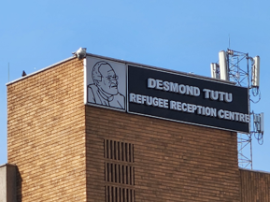
South Africa's government plans a phased relocation of its refugee reception centres, moving them closer to the country's borders. This strategic move is designed to enhance the efficiency, security, and fairness of processing asylum applications, ensuring that the system operates with greater integrity and transparency. This initiative forms part of a broader, full strategy to strengthen the nation's immigration system, addressing long-standing challenges and modernizing operational frameworks. The government has emphasized that this relocation is a critical step in its efforts to manage migration flows more effectively and in a more controlled manner.
Combating Corruption and Modernizing Systems
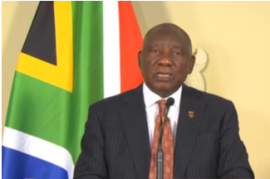
To achieve a more strong immigration framework, the South African government is actively strengthening its immigration system by working to eliminate corruption and deploying advanced technology. This dual approach aims to create a more secure and efficient environment for all immigration-related processes. It has been widely acknowledged that illegal immigration is frequently enabled and facilitated by corrupt practices within the system, undermining national security and the rule of law. President Cyril Ramaphosa has unequivocally stated the government's stance on such malfeasance, declaring, "Officials who sell documents, facilitate unlawful entry or abuse public office for personal gain betray the trust of the South African people. We will pursue these cases relentlessly."
The government has committed to taking decisive action against any officials found to be involved in such activities. Officials found to be selling documents, assisting unlawful entry, or abusing public office will face immediate dismissal, criminal prosecution, and the full force of the law. This firm stance shows the government's determination to root out corruption at all levels. The government maintains that it is entirely possible to safeguard the nation's borders effectively while simultaneously upholding human dignity, ensuring that all processes are conducted ethically and humanely. The introduction of advanced technology is expected to play a significant role in reducing opportunities for corruption and streamlining legitimate applications.
Government's Stance on Immigration
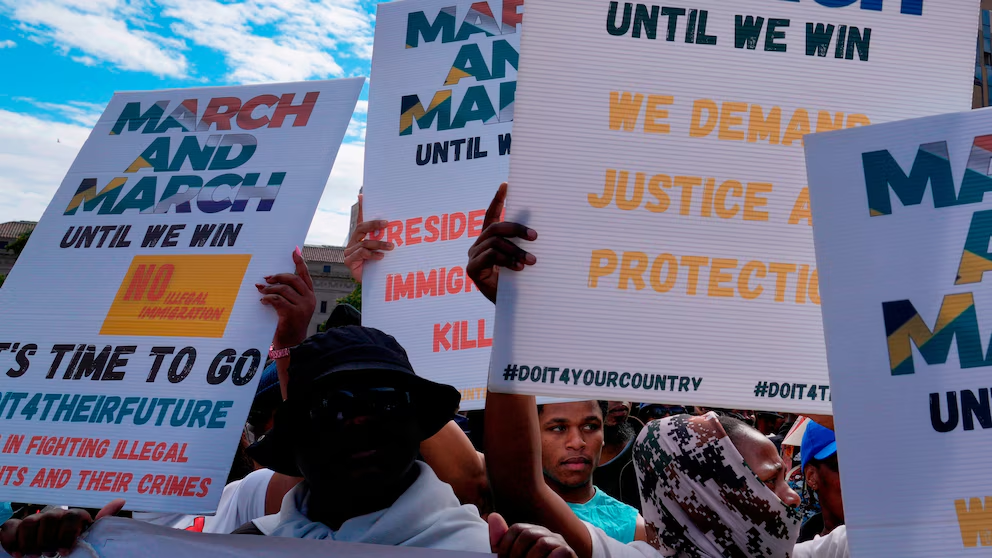
The South African government firmly rejects the idea that illegal immigration must be tolerated, viewing it as a critical issue that requires decisive action. This position underpins its full strategy to reform the country's immigration framework and secure its borders, ensuring national sovereignty and public safety. The government maintains that while upholding human dignity, it is imperative to manage migration flows effectively and lawfully, in compliance with both national and international legal obligations. This stance is integral to its broader efforts to enhance the efficiency and fairness of the asylum application process, and to combat corruption within the immigration system.
The administration's plans include the phased relocation of refugee reception centres closer to borders, aiming to streamline operations and discourage unlawful entry by processing individuals at the earliest possible point. These measures reflect a deep commitment to establishing and maintaining a controlled and orderly immigration system for South Africa, one that serves the interests of its citizens and residents while respecting the rights of those seeking protection. The government also believes that strengthening existing laws and enforcing them more effectively are key components of this strategy.
Presidential Vision for Border Management
The relocation of refugee centres will commence this year, with the Tshwane facility being the first to be moved closer to a border area. President Cyril Ramaphosa stated that this strategic move aims to enhance the government's ability to assess protection needs directly at the point of entry. Ramaphosa further elaborated, "This will enable government to determine protection needs at the point of entry to ensure that those who genuinely require protection receive assistance as quickly as possible." This approach is designed to improve the speed and accuracy of asylum determinations, providing timely support to those in need while deterring fraudulent claims.
The South African government shows the necessity of strengthening its existing laws and enforcing them more effectively to manage immigration flows comprehensively. This approach is central to its broader strategy for border management and ensuring an orderly immigration system that is both secure and humane. By moving reception centres closer to the borders, the government anticipates greater control over who enters the country and under what circumstances, thereby bolstering national security and maintaining the integrity of its immigration processes. This full strategy is expected to bring about significant improvements in South Africa's ability to manage its borders and immigration system responsibly.