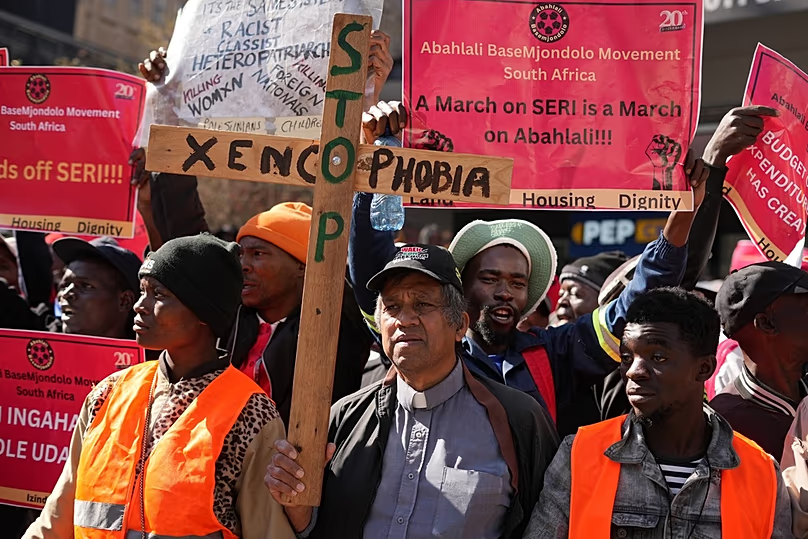
Hundreds of anti-migrant protesters marched through Kwa-Thema, a township located outside Johannesburg, on Monday, demonstrating the persistent challenges South Africa faces in managing social tensions related to migration. The demonstration occurred as South Africa's ministry of police issued a statement condemning xenophobic acts, showing the government's concern over the rising tide of anti-foreigner sentiment. The ministry's statement, released on April 24, specifically denounced violence and intimidation targeting foreign nationals, urging citizens to uphold the rule of law. This action by the police ministry follows a series of incidents across the country, noting persistent tensions related to migration and the government's efforts to address them. The march in Kwa-Thema reflects ongoing unrest despite official warnings against such activities, indicating a deep-seated issue that continues to manifest in public demonstrations.
Protests Continue Unabated Amid Repatriation Efforts
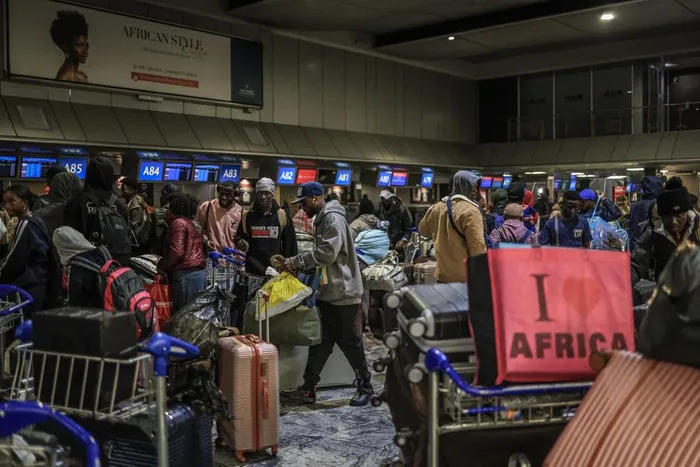
Vigilante groups have issued demands for undocumented foreign nationals to depart by June 30, escalating the pressure on migrant communities and the government. This development comes amid ongoing efforts to manage the presence of foreign citizens in South Africa, with authorities actively processing individuals for repatriation. Over the weekend, authorities processed more than 600 Ghanaian nationals for departure, a significant number reflecting the scale of the government's repatriation program. This recent group contributes to a total of 995 individuals who have left the country, according to official figures, since the commencement of these efforts. The ongoing processing of foreign nationals for departure shows the government's response to the challenges posed by undocumented migrants, balancing enforcement with humanitarian considerations. The active repatriation process notes the complex nature of managing immigration flows and the pressures from local communities.
Presidential Condemnation and Police Stance on Violence
The situation remains volatile, with at least two Mozambican citizens having been killed in the latest wave of unrest, adding to concerns over the safety and security of foreign nationals living in South Africa. The violence occurs as South Africa grapples with an unemployment rate running at more than 30 percent, a significant socioeconomic factor often cited in discussions surrounding anti-migrant sentiment and the frustrations fueling these protests. The current tensions echo previous periods of significant unrest and violence against foreign nationals. In 2008, 62 people were killed in what was described as the worst violence against immigrants in the last two decades, a stark reminder of the potential for escalation. The government has previously stated its commitment to addressing the root causes of such incidents while also enforcing immigration laws, a delicate balance it continues to navigate. The police ministry's firm stance against xenophobic acts emphasizes the government's intent to maintain order and protect all residents.
Underlying Causes and Historical Context of Anti-Migrant Sentiment
South Africa has experienced recurring bouts of anti-migrant violence, a pattern that shows persistent social tensions and economic frustrations. This historical context reveals a cyclical nature to the unrest, often triggered by socioeconomic pressures. Violent clashes erupted in 2015, 2016, and 2019, reflecting a consistent history of unrest targeting foreign nationals and noting the vulnerability of these communities. These incidents have contributed to a volatile environment for migrants within the country, prompting condemnation from international bodies and calls for greater protection. The government has often linked the unrest to broader socioeconomic factors, including high unemployment rates, particularly among youth, and perceived competition for scarce resources. Despite official condemnations and efforts to address the underlying issues, the cycle of anti-migrant sentiment continues to manifest in protests and violent confrontations, posing a significant challenge to national unity and social cohesion. This deep-seated nature of the challenges facing South Africa requires sustained and full strategies to foster integration and protect migrant communities.
Calls for Action and Future Outlook on Immigration Management
The first group of Nigerian nationals is scheduled to depart the country on Wednesday, an event that follows the processing of other foreign nationals for repatriation. This planned departure indicates continued government action regarding undocumented migrants and its commitment to managing immigration. The South African government has faced complex challenges in managing immigration, balancing enforcement with the protection of foreign nationals and adherence to international human rights standards. Persistent anti-migrant sentiment has led to unrest and calls for more stringent immigration controls from various segments of society. Efforts to address the underlying socioeconomic factors contributing to xenophobia, such as high unemployment rates and poverty, remain central to broader strategies for social cohesion and preventing future outbreaks of violence. The ongoing dialogue between government, civil society, and affected communities is key for finding sustainable solutions to these complex issues. The future outlook for foreign nationals in South Africa remains uncertain, with continued vigilance required from authorities to ensure their safety and rights.