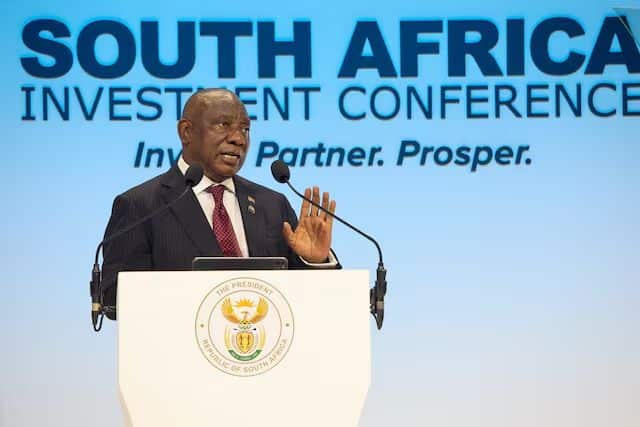
South Africa will hold its next municipal elections on November 4. The announcement sets the official date for citizens across the country to cast their votes in local government polls. The elections will determine the composition of municipal councils responsible for local service delivery and governance across South Africa. These local government bodies play a key role in addressing the day-to-day needs of communities, including infrastructure development, sanitation, and public safety. The upcoming polls are expected to draw significant attention as political parties vie for control at the grassroots level.
Election Cycle Context
South Africa typically conducts municipal elections approximately every five years. This regular electoral cycle is enshrined in the country's democratic framework, ensuring consistent opportunities for citizens to elect representatives to local government bodies. The previous municipal elections were held in 2021. In those polls, the African National Congress (ANC) secured less than half of the national vote, marking the first instance of the party falling below the 50% threshold since the end of white minority rule in 1994. This outcome reflected a notable shift in the political landscape at the local level, signaling increased competition from opposition parties. The 2021 results were widely interpreted as a precursor to broader shifts in the national political arena.
ANC's Shifting Political Landscape
The 2021 municipal election results served as a forerunner for the 2024 national election outcomes, where the African National Congress (ANC) experienced a significant political shift. In the 2024 national polls, the ANC lost its outright parliamentary majority for the first time since the end of apartheid in 1994, marking a key moment in the nation's political trajectory. This result showed the evolving preferences of the South African electorate and the increasing competitiveness of other political parties, fundamentally altering the country's governance structure. The loss of a majority necessitated a new approach to national leadership.
Following the 2024 national election, the African National Congress leadership engaged in extensive negotiations to form a new government. The party ultimately established a broad coalition government, a significant development in South African politics. This coalition arrangement allowed Cyril Ramaphosa to retain his position as the head of state, but with the necessity of power-sharing among various political entities. The formation of this coalition marked a new era of governance for South Africa, moving away from single-party rule and necessitating collaborative arrangements to ensure parliamentary stability and effective administration. The new political configuration at the national level adds another layer of complexity to the upcoming local elections.
Looking Ahead
The upcoming November 4 municipal elections will be a significant test of the evolving political dynamics in South Africa, following the recent shifts observed in both the 2021 municipal and 2024 national elections. The African National Congress (ANC) will face scrutiny as it seeks to regain ground after losing its outright majority in the 2024 national polls and forming a coalition government. These local elections are often seen as a barometer for national sentiment, reflecting citizens' views on service delivery and local governance, which are critical issues for voters.
The results will indicate whether the trend of increasing competitiveness among opposition parties, which led to the ANC falling below 50% in both the 2021 municipal and 2024 national elections, continues at the local level. The performance of the broad coalition government, led by Cyril Ramaphosa, could also be indirectly assessed through voter turnout and party support in these municipal contests across South Africa. The outcomes will provide insights into the public's perception of the new national political arrangement and its implications for local governance, shaping the political narrative for the coming years.