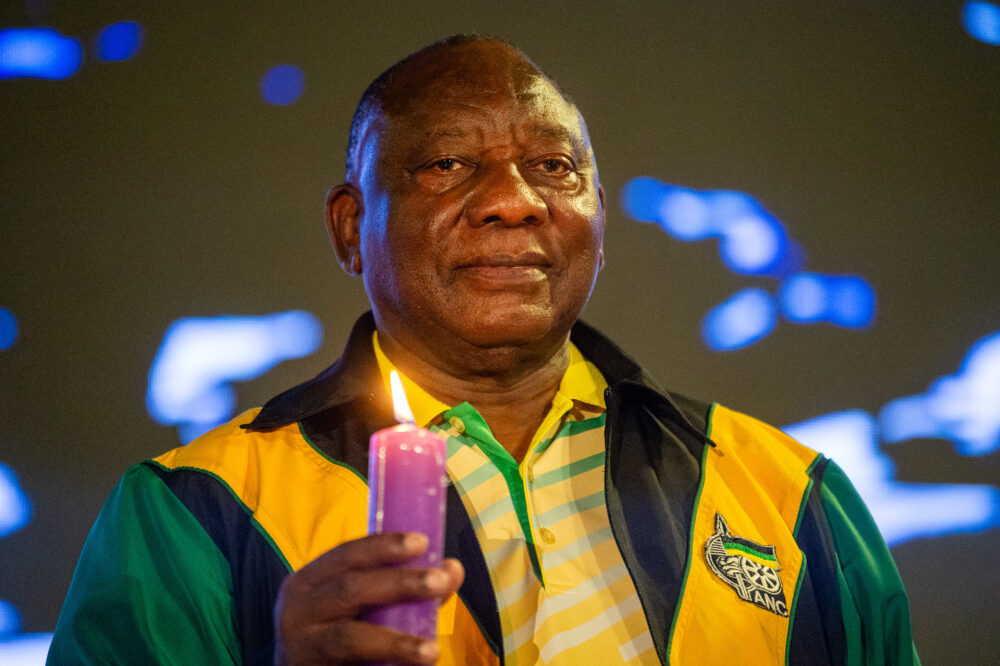
President Cyril Ramaphosa officially announced that South Africa's local government elections will take place on Wednesday, November 4, 2026. The President made this significant announcement on Thursday at the Birchwood Hotel in Boksburg during a scheduled meeting of the Presidential Coordinating Council. During his address, President Ramaphosa explicitly stated, "As 2026 is the year in which the local government elections are held, they should be held on a Wednesday, which is the middle of the week, on a date that I now determine as 4 November 2026." This formal declaration provides clarity on the electoral calendar for the nation. Following this key announcement, the Minister of Cooperative Governance, Velenkosini Hlabisa, will undertake the necessary administrative steps to officially gazette the election date, making it legally binding and publicly accessible. The gazetting process ensures that all relevant stakeholders and the public are formally informed of the established election timeline.
Election Timeline and Preparations
The Electoral Commission of South Africa (IEC) has already initiated key preparatory phases for the upcoming elections. The commission has scheduled the inaugural voter registration weekend for June 20 and 21. This marks a critical and foundational step in the full preparations for the local government elections, allowing eligible citizens to register or update their details on the voters' roll. Historically, local government elections are anticipated to occur within a 90-day window following the conclusion of the previous term of office. For the 2021 term, this meant an expected election period between November and January of the relevant year. The formal announcement of the November 4, 2026, date aligns precisely with these general expectations for the electoral cycle, providing ample time for the IEC to manage the logistical complexities of a nationwide election.
To further facilitate broad participation, a second voter registration weekend is expected to be held between July and August, following the initial registration period scheduled for June 20 and 21. This subsequent opportunity will allow additional eligible voters who may have missed the first window to register or update their details ahead of the local government elections. The Electoral Commission of South Africa is meticulously coordinating these efforts to ensure maximum voter accessibility and to promote widespread participation in the democratic process. These registration drives are critical steps in preparing for the November 4, 2026, elections, aiming to maximize voter accessibility and ensure the accuracy and completeness of the voters' roll across all municipalities in South Africa. The IEC's proactive approach to voter registration is fundamental to upholding the integrity and inclusivity of the electoral system.
Context and Significance
The 2026 local government elections are anticipated to be highly contested, particularly in key metro municipalities such as Johannesburg, Ekurhuleni, and Tshwane. These major urban centers often serve as key battlegrounds for political parties, reflecting broader shifts in voter sentiment and overall party strength across the country. The upcoming elections will therefore serve as a significant test of the ability of various political organizations to secure or maintain control in these strategically important areas. The competitive nature of these races is expected to draw significant attention and resources from all participating political parties, as control over metropolitan areas often carries substantial political and economic influence. The outcomes in these metros are frequently seen as indicators of national political trends and public opinion.
The local government elections play a vital role in the country's democratic framework, determining the composition of municipal councils responsible for delivering essential services and local governance. The announcement of the election date well in advance allows political parties to meticulously plan their campaigns, articulate their manifestos, and engage with the electorate on local issues. It also provides the Electoral Commission with a clear timeline to execute its mandate of ensuring free, fair, and credible elections. The period leading up to November 4, 2026, will likely see intensified political activity as parties vie for the support of communities across South Africa.