South Africa's government has declared air pollution a critical human rights, health, and development issue, citing its alignment with Section 24 of the Constitution. This constitutional provision guarantees citizens the right to an environment that is not harmful to their health and well-being. The government's reaffirmation shows its commitment to addressing environmental concerns, particularly in areas like the Highveld Priority Area. This declaration frames the fight against air pollution not merely as an environmental challenge, but as a fundamental aspect of ensuring the well-being and developmental prospects of its citizens. The recognition of air quality as a human rights issue elevates its importance on the national agenda, demanding full and sustained action across various sectors.
Pollution's Human Rights Dimension
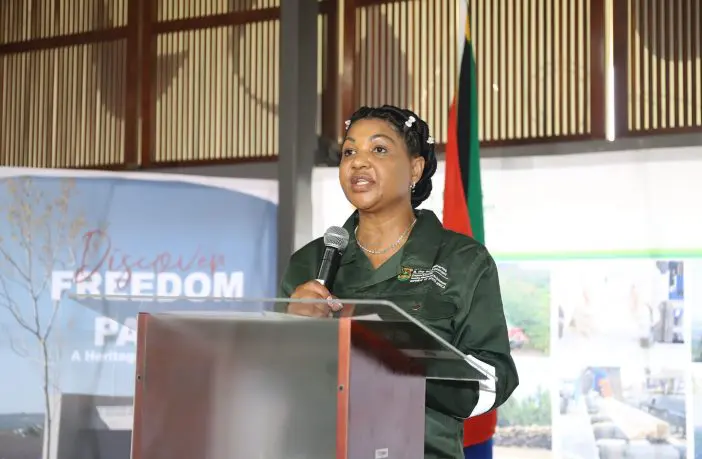
South Africa's Deputy Minister of Forestry, Fisheries and the Environment Bernice Swarts declared that "access to clean air is a fundamental human right." This statement reinforces the government's stance that clean air is indispensable for public health and quality of life, directly linking environmental protection to human dignity and societal progress. The government is prioritizing stronger collaboration with industry, civil society, and communities to improve air quality outcomes. This collaborative approach seeks to address the complex challenges of air pollution effectively, acknowledging that sustainable solutions require broad participation. The G20 Cape Town Ministerial Declaration on Air Quality provides an international framework that supports South Africa's national strategy for improving air quality. This international declaration aligns with the country's constitutional commitment to an environment that is not harmful to citizens' health and well-being, providing a global context and shared principles for national efforts. The emphasis on collaboration extends to fostering partnerships that can bring diverse expertise and resources to bear on the multifaceted problem of air pollution.
Challenges in the Highveld Area
The Highveld Priority Area continues to rank among South Africa’s most polluted regions, despite various ongoing interventions aimed at improving air quality. This persistent pollution is primarily driven by a combination of factors, including emissions from industrial activities. The region is home to numerous heavy industries, whose operations contribute significantly to atmospheric pollutants. Additionally, domestic fuel burning, particularly the use of coal and wood for heating and cooking in residential areas, exacerbates the problem. The burning of waste, often in informal settings, and vehicular transport also contribute significantly to the area's air quality challenges. The cumulative impact of these diverse sources creates a complex environmental issue for the region, affecting the health of its inhabitants and the local ecosystem. Addressing these multiple contributors requires sustained efforts and coordinated strategies to mitigate their effects on public health and the environment, ensuring that the benefits of industrial development do not come at an unacceptable cost to air quality.
Collaborative Solutions and Community Role
A Government and NGO dialogue on air quality took place in Johannesburg, specifically within the Highveld Priority Area. This meeting served as a key forum for discussions between government officials and non-governmental organizations regarding strategies and interventions to improve air quality in the region. The dialogue aimed to foster cooperation and share insights on addressing the persistent pollution challenges faced by the Highveld. Participants explored collaborative solutions to mitigate the impact of industrial emissions, domestic fuel burning, waste burning, and vehicular transport, all of which contribute to the area's air quality issues. The discussions showed the ongoing efforts to engage various stakeholders in the pursuit of cleaner air for the affected communities. This multi-stakeholder engagement is seen as vital for developing practical and effective solutions that are tailored to the specific context of the Highveld, ensuring that both policy and implementation are informed by diverse perspectives and local needs. The role of communities in monitoring, reporting, and advocating for cleaner air is also central to the success of these initiatives.