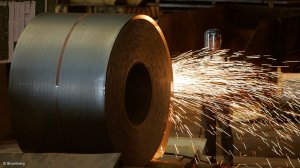
South Africa has increased import protection on steel products by between 10% and 30%, a significant move aimed at bolstering its domestic steel industry. The country officially announced these tariff adjustments, which were subsequently published in the Government Gazette on May 15. These amendments specifically apply to imports originating from countries that do not currently have a trade deal with South Africa, thereby strategically targeting specific market segments. The decision reflects a broader governmental strategy to enhance local manufacturing capabilities and protect indigenous industries from foreign competition.
The new measures are expected to have a broad impact across various sectors that rely on steel, influencing pricing and supply chains for numerous products. The implementation of these higher duties shows the government's commitment to supporting local producers and ensuring the long-term viability of the steel sector, which is a foundational industry for economic development and job creation in South Africa.
Review and Directive Pave the Way for Tariff Adjustments
The tariff increase follows an extensive review conducted by the International Trade Administration Commission of South Africa (Itac), the nation's primary body responsible for administering trade remedies. Itac’s full review was undertaken in strict accordance with a 2024 directive issued by Minister Parks Tau. This directive specifically mandated a thorough examination of steel products classified under chapters 72, 73, 82, and 83 of the tariff book. These particular chapters collectively represent yearly imports with a combined value of approximately R66-billion, noting the substantial economic impact of the products under scrutiny.
The review process involved detailed analysis of market conditions, local production capacities, and the competitive landscape, ensuring that the proposed tariff adjustments were evidence-based and aligned with national industrial policy objectives. The directive from Minister Tau emphasized the critical need to assess existing import protection levels and identify areas where adjustments could support the growth and sustainability of South Africa’s steel manufacturing base. This careful approach ensures that the implemented tariffs are not arbitrary but rather a calculated response to economic realities and strategic industrial goals.
Specific Tariff Increases Detail New Duty Structures
New general rates of duty have been meticulously implemented across various categories of steel products. A 10% tariff has been imposed on flat-rolled, electrical, and alloy steel products. These measures are an integral part of South Africa's broader strategy to adjust import protections for its steel industry, aiming to create a more level playing field for local manufacturers. This specific increase impacts various categories of steel goods entering the country from non-trade deal partners, encouraging greater domestic sourcing and production. The intention behind this tariff is to safeguard local producers of these essential steel components, which are vital for numerous downstream manufacturing processes.
Further adjustments include a 15% general rate of duty applied to a wide array of products, encompassing welded and smooth tubes and pipes, fittings, tanks and drums, wire ropes, fencing, chain, screws, staples, and other downstream articles. This increase aims to provide additional protection for locally manufactured products within these specific categories, covering a wide range of industrial and consumer goods. By raising duties on these items, the government seeks to reduce the competitive advantage of cheaper imports and stimulate investment in local production facilities, thereby fostering job creation and technological advancement within the country.
Continuing this structured approach, hand tools, saws, wrenches, hammers, pliers, screwdrivers, interchangeable tooling, and household knives are now subject to a 20% general rate of duty. This tariff specifically targets finished goods that are commonly imported, potentially encouraging domestic production and reducing reliance on foreign supply for these everyday items. The goal is to nurture a strong local manufacturing sector for these commonly used products, ensuring greater self-sufficiency and reducing vulnerability to global supply chain disruptions.
The highest new general rate of duty, set at 30%, applies to select fittings, washers, and steel baths. This significant increase notes a focused effort on specific high-value or high-volume import categories, indicating a concerted effort to bolster the competitiveness of South African manufacturers in these particular segments of the steel market. This substantial tariff is a clear signal of the government's intent to provide maximum possible protection to local producers of these items, aiming to encourage significant shifts from imported to domestically produced goods.
Rebate Measures and Future Review Mechanisms
To balance protectionist measures with the needs of industries reliant on specific steel imports not produced locally, rebate measures are available for importers. Importers can apply for these rebates using the International Trade Administration Commission of South Africa's (Itac) standard rebate adjudication process. A full rebate can be sought for products including semi-finished billets, aluminium-zinc coated coil, H-sections, wire rod, rails, as well as smooth and galvanised tubes, provided these specific items are not produced locally within South Africa. This mechanism ensures that critical inputs for domestic industries remain accessible, preventing unintended negative consequences from the tariffs. The rebate system is designed to be responsive, adapting to the dynamic landscape of local production capabilities.
Some rebates are specifically limited to defined end-uses, ensuring that the benefits are targeted where they are most needed. These restricted applications encompass products used in hot-plate stoves, mining-core trays, domestic fridges and freezers, insulated panels, and steel garage doors. Further restricted applications include items vital for national infrastructure and safety, such as railway turnouts, port infrastructure, water infrastructure, fire systems, and pipeline assembly. This granular approach to rebates reflects a sophisticated understanding of the industrial ecosystem, allowing for strategic protection without stifling essential sectors. Itac has also committed to reviewing the effectiveness of the protection granted on steel products within the coming three years to assess the impact of the tariff adjustments, demonstrating a proactive approach to policy evaluation and adaptation. This review will be key in determining the long-term success and sustainability of these tariff interventions.
Global Protectionist Trends and International Compliance
The new tariff rates align precisely with the World Trade Organisation (WTO) ‘bound rate’, ensuring South Africa's full compliance with international trade agreements and obligations. This adherence to WTO rules is critical for maintaining South Africa's standing in the global trading system and avoiding potential trade disputes. Finance Minister Enoch Godongwana officially signed the tariff adjustments, formalizing the measures and showing the government's commitment to this policy direction. His signature marks the final administrative step in implementing these significant changes to the country's import duty structure.
The amendments specifically exclude steel imports originating from the United Kingdom, the European Union, African Continental Free Trade Area Agreement countries, and the European Free Trade Association. This means that steel products from these regions will not be subject to the increased duties, reflecting existing preferential trade agreements and strategic alliances. This selective application of tariffs demonstrates a nuanced approach to trade policy, balancing the need for domestic protection with existing international commitments and regional integration efforts. The exemption for these trade partners notes South Africa’s commitment to fostering trade relationships within specific blocs while simultaneously safeguarding its core industries.