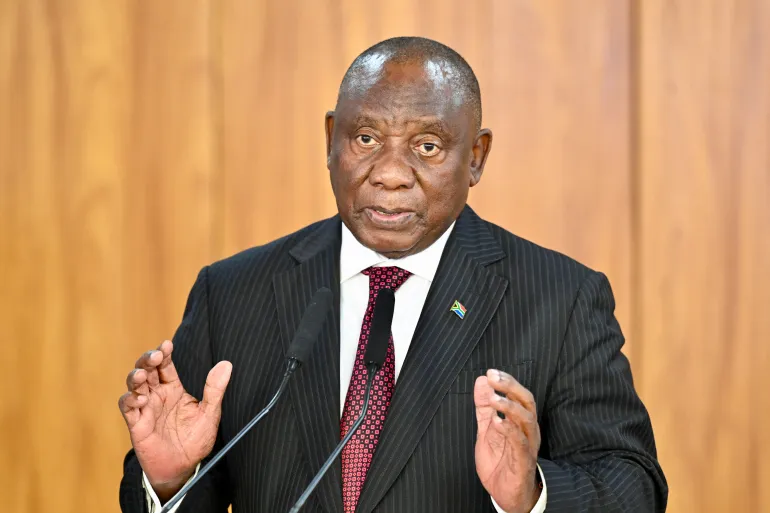
South Africa’s parliament is preparing to launch an impeachment inquiry into President Cyril Ramaphosa concerning the “Farmgate” scandal. This move signals a significant moment for the country's political landscape, as the legislative body takes formal steps to investigate allegations against its highest office holder. The scandal involves the theft of substantial amounts of cash discovered hidden within furniture at President Cyril Ramaphosa's private farm in 2020. This parliamentary action follows scrutiny over the origin and handling of the undeclared funds, which has raised questions about the President's conduct. The decision to initiate an impeachment inquiry shows the gravity of the allegations and the parliament's role in upholding accountability.
Inquiry Committee Convenes
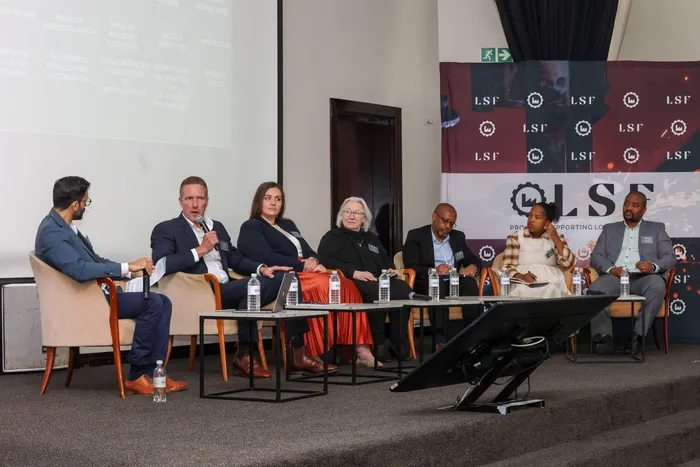
The 31-member committee tasked with initiating the impeachment inquiry will commence its proceedings by electing a chairperson. This key first step will set the stage for the committee's detailed examination of the "Farmgate" allegations. The African National Congress (ANC), as the ruling party, holds nine of the 31 seats on this impeachment committee, giving it a significant presence and influence in the proceedings. The Democratic Alliance (DA) is the second-largest political party within South Africa’s coalition government, which includes the ANC, and will also play a key role. This composition means the two largest parties will play a key role in the committee's deliberations regarding the "Farmgate" scandal, and their positions will heavily influence the inquiry's direction. The committee's initial task of selecting a chairperson is a procedural step before it can begin examining the allegations against President Cyril Ramaphosa concerning the undeclared funds found at his farm, ensuring a structured approach to a complex investigation. The committee's work is anticipated to be thorough, scrutinizing all aspects of the scandal.
Ramaphosa's Legal Challenge
President Cyril Ramaphosa has legally challenged the impeachment process, according to reports, indicating his determination to contest the allegations. He filed a legal application contesting an independent panel's report that had identified preliminary evidence of misconduct related to the "Farmgate" scandal. This legal challenge is a critical component of the ongoing saga, as it seeks to invalidate the findings that underpin the parliamentary inquiry. The independent panel's report concluded that there was sufficient preliminary evidence for President Ramaphosa to answer questions regarding the incident. His legal team is arguing against the validity of the panel's findings, asserting that they are flawed or based on an incorrect interpretation of the law. This legal battle runs parallel to the parliamentary inquiry, adding another layer of complexity to the President's situation. The outcome of this legal application could significantly impact the legitimacy and progression of the impeachment proceedings.
Political Landscape and Reactions
The Democratic Alliance (DA) party announced on Thursday that the parliamentary committee tasked with examining the allegations against President Cyril Ramaphosa will hold its initial meeting on Monday. This announcement notes the swift progression of events following the decision to launch the inquiry. President Ramaphosa has consistently denied any wrongdoing in connection with the "Farmgate" scandal, maintaining his innocence amidst growing pressure. The ruling African National Congress (ANC) holds approximately 40 percent of the seats in the National Assembly, giving it substantial influence within the legislative body, which is critical for any impeachment vote. This parliamentary composition is critical as the committee begins its work, as the ANC's stance will be key in determining the inquiry's trajectory and ultimate outcome. The first meeting is expected to focus on procedural matters, including the election of a chairperson, before delving into the specifics of the allegations, ensuring that the groundwork is properly laid for a full investigation. The political climate is charged, with various parties closely monitoring the developments.
Broader Implications and Next Steps
Initiating an impeachment inquiry sets a significant precedent for South Africa's parliamentary proceedings, marking a rare instance of such high-level scrutiny. Any eventual vote to impeach President Cyril Ramaphosa would require a two-thirds majority in the National Assembly, a substantial threshold that demands broad support across the political spectrum. This high threshold means that broad political consensus or significant cross-party support would be necessary for the impeachment process to advance beyond the inquiry phase and lead to a successful impeachment. The committee's findings will therefore be key in determining the political direction and potential impact on President Ramaphosa's leadership, as they will form the basis for any subsequent parliamentary action. The inquiry's outcome could have profound implications for South Africa's political stability and the future of the ruling ANC party. The nation watches closely as the parliamentary committee embarks on its critical task, with the potential to reshape the country's political landscape.