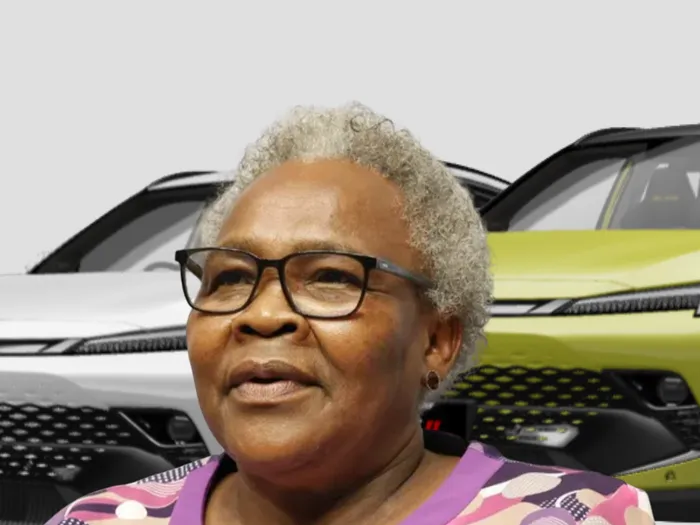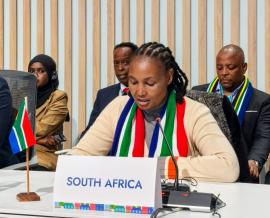
Human Settlements Minister Thembi Simelane addressed the 13th session of the World Urban Forum (WUF13) under the Ministerial Meeting on the New Urban Agenda, with the meeting's theme being “Housing the world: Safe and resilient cities and communities”. Simelane stated that "Urbanisation is undeniably an irreversible trend." The Minister's address showed the profound and enduring impact of this global demographic shift. The Minister also noted that current conditions "have significantly increased demand for essential services, including housing, health, education, water, and sanitation, while placing considerable pressure on public resources and the state's capacity to provide timely interventions to address these urban challenges." These remarks highlight the critical need for strategic planning and resource allocation to manage the complexities of urban growth.
Urbanisation Trends and Pressures
The 13th session of the World Urban Forum (WUF13) is currently taking place in Baku, the capital of the Republic of Azerbaijan. This significant international gathering, which runs from May 17 to May 22, 2026, brings together global leaders and experts to discuss pressing urban issues. South Africa's urbanisation rate exceeded 60% when the New Urban Agenda was adopted, indicating a significant shift in population distribution towards urban centers. This historical context provides a baseline for understanding the country's ongoing demographic transformation. Projections suggest that the country is expected to reach 71.3% urbanised by the year 2030, further emphasizing the accelerating pace of this trend.
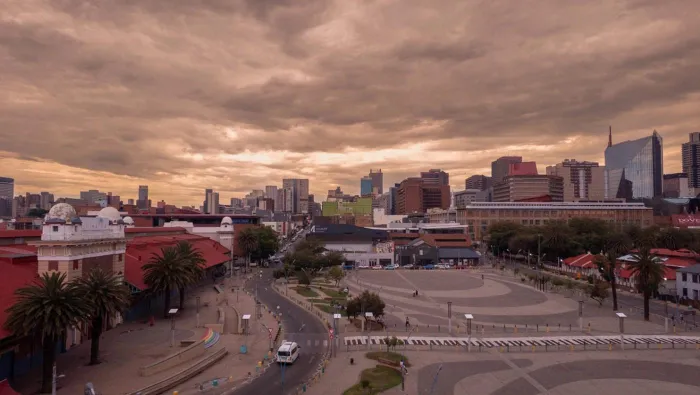
This rapid urbanisation has intensified existing pressures on South African municipalities. It has contributed to challenges in the delivery of basic services, exacerbating infrastructure backlogs across various sectors. The influx of populations into urban areas has also led to overburdened municipal governance systems, straining their administrative and operational capacities. These factors collectively strain the capacity of local authorities to manage and accommodate growing urban populations effectively, requiring innovative solutions and strong policy frameworks. The challenges extend to providing adequate housing, ensuring access to quality health and education facilities, and securing reliable water and sanitation services for all residents.
Policy Framework and National Dialogue
The Sustainable Development Goals (SDG) 11, which specifically addresses sustainable cities and communities, is a significant area of focus for South Africa's urban development strategy. The nation's commitment to these global objectives guides its domestic policy formulation. Efforts to align national policies with these global objectives are ongoing, reflecting a holistic approach to urban planning that considers environmental, social, and economic sustainability.
Domestically, South Africa has hosted two National Urban Forum sessions, with meetings taking place in both 2024 and 2025. These forums serve as key platforms for national dialogue and collaboration on urbanisation challenges and solutions, fostering a participatory approach to policy development. These national discussions complement the country's engagement in international forums like WUF13, ensuring that global best practices inform local strategies.
South Africa’s Integrated Urban Development Framework (IUDF) was adopted in 2016, providing a full policy guide for managing urban growth. The IUDF aims to promote inclusive, resilient, and sustainable urban development across the country. This framework shows a strategic approach to addressing the complexities arising from rapid urbanisation, including service delivery and infrastructure demands. It seeks to create urban environments that are not only economically vibrant but also socially equitable and environmentally sound.
Minister's Remarks and Global Context
The 13th session of the World Urban Forum (WUF13) is currently underway in Baku, the Republic of Azerbaijan, from May 17 to May 22, 2026. This global gathering provides a vital platform for discussions on urbanisation trends, challenges, and solutions, allowing nations to share experiences and strategies. Recent data indicates that South Africa is currently 68.82% urbanised, reflecting a significant demographic shift towards urban centers and noting the urgency of effective urban management.
This rapid urbanisation, however, continues to present substantial challenges for the nation. South African cities, despite developmental efforts, continue to face entrenched inequality. This structural issue impacts various aspects of urban life, including access to services, housing, and economic opportunities for residents, often exacerbating social disparities. The discussions at WUF13 are expected to address how countries like South Africa can manage these complex dynamics to foster more inclusive and sustainable urban environments, ensuring that the benefits of urbanisation are shared by all. Minister Simelane's participation shows South Africa's commitment to finding viable solutions for its growing urban populations within a global context.