The South African Reserve Bank (SARB) increased the interest rate by 25 basis points to 7%, a move aimed at curbing inflationary pressures and stabilizing the nation's economic outlook. This latest adjustment brings the benchmark lending rate to a level not seen in several years, showing the central bank's proactive stance against rising costs. This decision comes as services inflation in the country reached 4.6%, significantly surpassing the central bank’s medium-term target of 3%. The persistent rise in the key lending rate reflects a growing concern among monetary policymakers over entrenched and persistent price increases within the South African economy, which could erode purchasing power and hinder economic growth.
Interest Rate Hikes Explained
The Monetary Policy Committee (MPC) of the South African Reserve Bank convened with a clear mandate to address the inflationary environment. Headline inflation in South Africa rose to 4% year-on-year in the week preceding the recent rate announcement, an increase from 3.1% recorded in March. This upward trend in consumer prices, indicating a broad-based increase across various goods and services, significantly informed the South African Reserve Bank's (SARB) discussions. The central bank's primary objective is to maintain price stability, which is key for sustainable economic development.
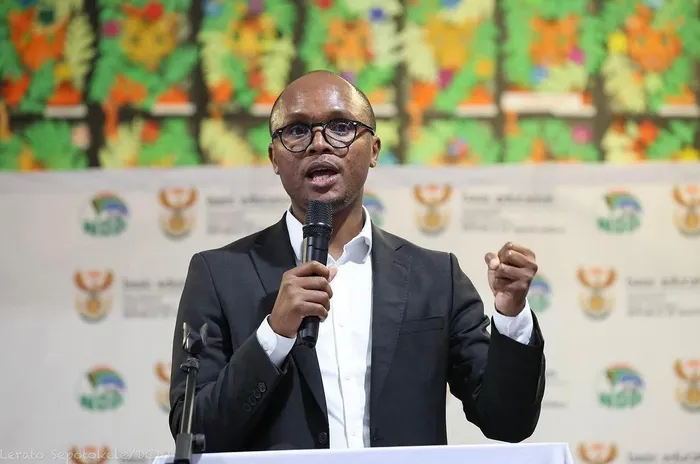
In his assessment, SARB Governor Lesetja Kganyago has projected that headline inflation will peak at 4.4% for 2026, subsequently decreasing to 3.7% in 2027, and ultimately returning to the central bank's 3% target by 2028. These projections highlight the SARB's long-term view and its commitment to guiding inflation back within its desired range, even if it requires a sustained period of tighter monetary policy. The decision to raise interest rates was made after considering multiple options, reflecting the seriousness with which the MPC approached the matter. Indeed, a more aggressive 50-basis-point increase was also having been on the table for the SARB's Monetary Policy Committee, indicating the extent of the inflationary pressures being debated. Ultimately, the 25-basis-point hike was deemed the most appropriate step to balance inflation control with potential impacts on economic activity. The central bank's strategy aims to steer the economy towards its long-term inflation objectives while carefully managing the trade-offs involved in monetary policy decisions.
Global Energy Crisis Impact
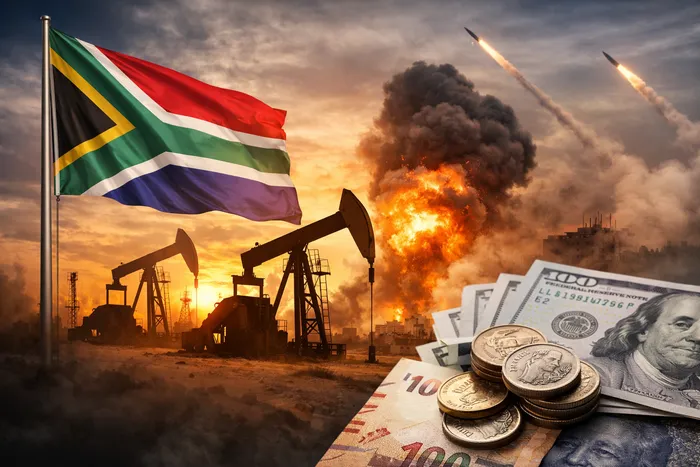
Beyond domestic factors, South Africa's economic landscape is heavily influenced by volatile global conditions. South Africa's fuel prices increased by 11.4% in April, a significant jump that directly contributes to broader inflationary pressures across the economy. This rise comes amidst global energy market volatility, which has been exacerbated by ongoing geopolitical tensions. The conflict in the Middle East, in particular, poses a significant risk to global energy supplies. Experts warn that such a conflict has the potential to halt approximately 20% of the world's oil supply. Such a disruption could occur if the Strait of Hormuz, a critical maritime chokepoint for oil transportation, were to close, impacting international shipping lanes key for oil movement from the Persian Gulf to global markets.
These external factors add considerable complexity to the economic challenges faced by South Africa, where domestic policies are already contending with rising interest rates aimed at controlling inflation. The combined effect of higher global energy costs, which push up import bills and local transportation expenses, and local financial tightening creates a complex environment for economic stability. Businesses face increased operational costs, while consumers grapple with higher prices for goods and services, alongside increased borrowing costs. This dual pressure makes the SARB's task of navigating inflation and supporting growth particularly challenging.
Expert Outlook and Recession Fears
The current economic trajectory has prompted warnings from financial analysts. Jee-A van der Linde, Senior Economist at Oxford Economics Africa, believes the risk of economic contraction in South Africa is elevated given the confluence of internal and external pressures. The ongoing fuel price environment contributes significantly to this concern, with the price per barrel of oil hovering at around $100. This current price point is nearly $30 higher than pre-war levels, indicating a sustained increase in global energy costs that impacts South Africa directly through its import dependence.
Van der Linde stated, "If this fuel price environment persists heading into the second half of the year, then a recession might be on the cards." This assessment shows the fragility of the economic situation and the potential for a downturn if key global commodity prices remain elevated. Despite the current economic pressures, van der Linde anticipates that interest rate hikes could begin to be reversed from the second quarter of the next year, suggesting a potential easing of monetary policy once inflation is firmly under control and economic growth shows signs of recovery.
Broader Economic Context
Adding to the nuanced economic picture, South Africa was removed from the Financial Action Task Force (FATF) grey list late last year, a development that had significant implications for the country's financial standing and international reputation. This removal followed concerted efforts by the South African government and financial institutions to address deficiencies in anti-money laundering (AML) and combating the financing of terrorism (CFT) frameworks. The delisting is expected to improve investor confidence and reduce the cost of doing business with South Africa, potentially offering some counter-balance to the current economic headwinds.