South Africa is advancing legislative changes to introduce a zero blood alcohol limit for drivers, a move designed to significantly enhance road safety across the nation. The government is actively working to amend Section 65 of the National Road Traffic Act, a critical step that will redefine legal alcohol consumption for motorists. These legislative amendments are currently undergoing a rigorous review process, awaiting final approval from the Chief State Law Advisor and the Socio-Economic Impact Assessment System (SEIAS). This full assessment ensures that the proposed changes are legally sound and that their potential societal and economic effects are thoroughly understood. Cabinet concurrence for the amendment is anticipated by the end of 2026, marking a key moment in the country's road safety strategy.
This significant initiative aligns directly with South Africa's ambitious target of halving its annual road fatalities by 2030. This goal is not only a national priority but also a commitment made in line with the broader United Nations Sustainable Development Goals, which advocate for global efforts to reduce road traffic deaths and injuries. The urgency of these measures is showed by recent statistics: from January 1 to August 23, 2026, a total of 6,457 people tragically died on the country’s roads. While this figure represents a 9% overall reduction in fatalities compared to the same period in 2025, authorities emphasize that further drastic action is required to meet the national and international road safety targets. The introduction of a zero blood alcohol limit is seen as a fundamental component of this broader strategy to create safer roads for all users.
Drunken Driving Crackdown Intensifies
In parallel with legislative reforms, law enforcement efforts against impaired driving have been substantially intensified across South Africa. Authorities have recorded a significant number of arrests, with more than 18,000 people detained for drunken driving between March and the end of August 2026. This substantial figure notes the scale of the problem and the dedicated focus of traffic police in tackling it. During this six-month period, drunken driving arrests constituted a considerable portion of all traffic-related detentions, accounting for one-third of the total traffic arrests made. This statistic shows the widespread nature of driving under the influence and the government's commitment to stringent enforcement.
The intensified crackdown comes as detailed road safety statistics continue to highlight critical areas of concern that necessitate urgent intervention. Pedestrians remain exceptionally vulnerable, accounting for a substantial 48 percent of all fatalities recorded in the first eight months of 2026. This high percentage points to the need for continued focus on pedestrian safety, including infrastructure improvements and awareness campaigns. Data indicated a concerning geographical concentration of road deaths, with more than one-third of all fatalities occurring in the Gauteng and KwaZulu-Natal provinces. These provinces are among South Africa's most populous and economically active regions, which contributes to higher traffic volumes and, consequently, elevated accident and fatality statistics. The sustained enforcement actions, including roadblocks and sobriety checks, are part of broader, multi-faceted initiatives aimed at improving road safety across the country and addressing these specific high-risk factors.
Progress and Challenges in Road Safety
Despite the ongoing challenges, South Africa has observed some positive trends in the reduction of road incidents and fatalities. A comparative analysis shows that over six percent fewer annual crashes and deaths were recorded in 2025 compared to the previous year, 2024. This notable reduction indicates that concerted efforts are beginning to yield tangible results. Further progress was evident during the 2025/26 Festive Season Road Safety Campaign, which indicated a five percent reduction in both road fatalities and crashes nationwide. During this critical travel period, five provinces reported a decrease in fatalities compared to the previous year's festive season, signaling improved road user behavior and effective law enforcement.
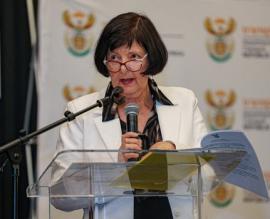
The Road Traffic Management Corporation (RTMC) also reported encouraging figures during the 2026 Easter long weekend, recording the second-lowest crashes and fatalities over the past four-year Easter periods. Minister of Transport Barbara Creecy noted these achievements, stating, "During the 2026 Easter long weekend, the Road Traffic Management Corporation (RTMC) recorded the second-lowest crashes and fatalities over the past 4-year Easter periods." Minister Creecy further noted a significant decline when compared to peak figures from previous years. "When compared to the peak in 2024, crashes declined by 24% and fatalities by 39%," she said. Despite these positive trends, Minister Creecy emphasized that the situation still demands sustained effort: "While these statistics are commendable, the numbers remain too high, and every life lost represents the loss of a loved one, a parent, and a breadwinner. We therefore need to ramp up and intensify our existing efforts to continue seeing a reduction in these figures." This sentiment shows the government's commitment to not resting on current achievements but pushing for even greater improvements. In a testament to localized efforts, the Eastern Cape, KwaZulu-Natal, Mpumalanga, and North West provinces either met or exceeded the 10% target for reducing fatalities within their respective regions, demonstrating the impact of provincial-level road safety initiatives.
Awareness Campaigns and Future Outlook
Complementing legislative changes and enforcement, extensive public education and awareness campaigns are being conducted to foster a culture of road safety. Over 14,000 road safety education and awareness interventions have been carried out this year through collaborative efforts between the Road Traffic Management Corporation (RTMC) and various provincial authorities. These initiatives form a key part of a broader, multi-pronged strategy to educate the public on safe road practices, the dangers of impaired driving, and the implications of the impending zero blood alcohol limit.
The Department of Transport and the RTMC have also conducted a coordinated media campaign throughout 2026, engaging with over 50 media outlets across the country. This extensive campaign aimed to disseminate critical information regarding existing road safety regulations and to prepare the public for the impending zero blood alcohol limit for drivers. By reaching a wide audience across South Africa through various media channels, the campaign emphasized the critical importance of responsible road behavior and reiterated the government's unwavering commitment to drastically reducing road fatalities. These full efforts show the multi-faceted approach being taken to prepare the public for stricter enforcement measures and to cultivate a deeply ingrained culture of road safety, ultimately striving for a future with fewer preventable tragedies on South African roads.