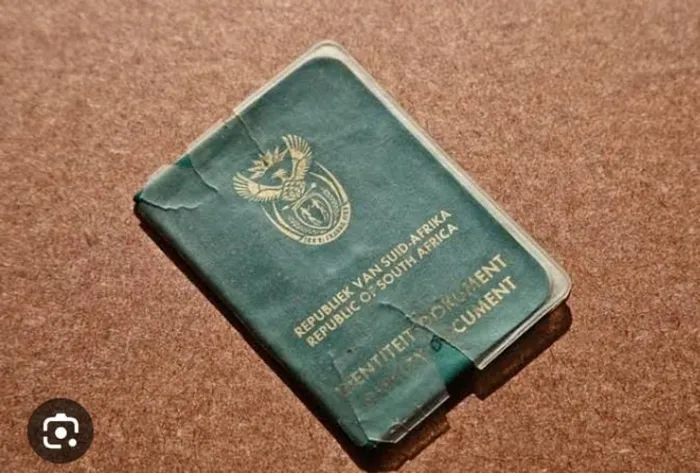
South Africa is initiating a phase-out of its green barcoded ID book as part of an initiative to implement a fully digital identity system across the country. This significant national undertaking reflects a commitment to modernizing identity management and enhancing the security and efficiency of citizen identification. The government is "rapidly moving" towards this objective, according to Home Affairs Minister Dr Leon Schreiber. This strategic shift shows the nation's progression towards advanced digital infrastructure. President Cyril Ramaphosa has indicated that a precise cut-off date will be set, after which the green ID book will no longer be accepted as a valid form of identification. The Department of Home Affairs' long-term strategy aims for universal Smart ID enrollment alongside a full digital identity platform to be completed by 2029. This ambitious timeline notes the urgency and scale of the transformation. The transition is designed to provide all South African citizens with a secure, modern, and universally recognized form of identification.
Expanding Smart ID Access
The Department of Home Affairs intends to broaden access channels for Smart ID cards through strategic partnerships with banking institutions. This initiative aims to make the application process more widely available to citizens across South Africa, leveraging existing infrastructure to reach a broader population. The collaboration with banks is expected to significantly increase the number of accessible points where citizens can apply for their new identification documents. Smart IDs require the physical capturing of biometric data, which includes both fingerprints and facial recognition scans, ensuring the security and uniqueness of each digital identity. This biometric capture process is a cornerstone of the new system's integrity, providing a strong and unforgeable link between the individual and their digital identity.
Despite the introduction of Smart IDs over a decade ago, millions of South African citizens continue to rely on the traditional green ID books for identification purposes. This sustained reliance notes the extensive task ahead for the Department of Home Affairs in ensuring a smooth and equitable transition for all. The government has affirmed that the current ID books will only be phased out once access to Smart ID cards is readily available for all citizens. This commitment shows a phased transition approach designed to prevent disenfranchisement during the move to a fully digital identity system. The expansion efforts, particularly through banking collaborations, are central to achieving this widespread accessibility, ensuring that no citizen is left behind in the shift to modern identification. The department recognizes the importance of convenience and widespread availability to facilitate a successful national rollout.
Reaching Vulnerable Citizens
The Department of Home Affairs plans to deploy over 220 mobile offices across the country to extend Smart ID card services to remote and vulnerable populations. This extensive network of mobile units is key for reaching individuals who face geographical or physical barriers to accessing traditional Home Affairs offices. These mobile outreach services are already being conducted to cater to individuals in hospitals, care homes, and isolated communities, demonstrating a proactive approach to inclusive service delivery. The mobile units are equipped with live-capture technology, allowing for the direct collection of biometric information, which includes fingerprints and facial recognition scans, on-site. This technology ensures that even in remote locations, the same high standards for biometric data capture are maintained, preserving the integrity and security of the Smart ID system.
Home Affairs has expressed interest in enhancing their “Home Affairs @ home” services, aiming to bring identity document applications to individuals who cannot easily access physical offices. This initiative is particularly vital for those with mobility challenges or other significant impediments to travel. For elderly or bedridden individuals, it is anticipated that assistance from family members, caregivers, or social workers will be necessary to arrange mobile Home Affairs visits or special appointments. These support networks will play a critical role in facilitating access to the new ID cards for those most in need. In cases of bedridden individuals, Home Affairs officials may need to visit homes or care facilities directly to facilitate the Smart ID card application process, ensuring that even the most vulnerable can obtain their new identification. Elderly individuals who are unable to travel are encouraged to reach out to their nearest Home Affairs office, local councillors, or social development offices to inquire about available mobile services and special arrangements, showing the department's commitment to accessibility.
Current Status and Future Outlook
Green ID books currently remain legal and valid documents for identification purposes in South Africa. The Department of Home Affairs has not yet announced an immediate cancellation date for these traditional documents, providing a grace period for citizens to transition. The government has indicated that the phase-out will be gradual, with a definitive cut-off date to be established once Smart ID card access is widely available across the population. This measured approach aims to minimize disruption and ensure a smooth transition for all citizens.
This transitional period is expected to prompt civil society organisations and elder-care groups to advocate for clearer guidelines from the Department of Home Affairs. These groups are anticipated to seek specific information regarding the process for vulnerable populations to acquire the new Smart ID cards and the timeline for the complete discontinuation of the green ID books. Their advocacy will be key in ensuring that the implementation process is transparent, inclusive, and addresses the unique needs of all segments of society, particularly the elderly and those in remote areas. The focus is on ensuring a smooth transition that does not disadvantage any segment of the population, upholding the right to identity for every South African citizen. The department's ongoing efforts to expand access channels and deploy mobile services are integral to achieving this equitable outcome.