Shipping traffic around the Cape of Good Hope has surged dramatically since 2023, as major global shipping companies reroute vessels due to disruptions elsewhere. The world’s largest shipping companies, including Maersk, Hapag-Lloyd, and CMA CGM, are sending an unprecedented number of ships around the Cape, a route that bypasses traditional Suez Canal passages. This significant increase in maritime activity presents South Africa with a potential economic opportunity, given its strategic geographical position. However, the nation's port infrastructure and operational challenges hinder its ability to fully capitalize on this shipping boom, leading to concerns about missed revenue and development that could significantly benefit the national economy. The inability to service these vessels means a substantial loss of potential income from port calls, bunkering, and other maritime services.
Global Shipping Shifts Course
Geopolitical instability, particularly in the Red Sea and Strait of Hormuz, is compelling global carriers to adopt longer and more secure routes around Africa’s southern coastline. These diversions around the Cape of Good Hope have surged by more than 100% by early 2026, indicating a sustained and significant shift in global shipping patterns. This dramatic increase in traffic means that a far greater number of vessels are now passing directly by South Africa's shores. Consequently, transit times for vessels are now extended by an additional 10 to 14 days, impacting supply chains worldwide and increasing operational costs for shipping companies. This extended journey length also creates a greater need for vessels to refuel and resupply at intermediate points, a service that South Africa is struggling to provide effectively.
Domestic Port Inefficiencies
South Africa’s ports have seen a significant decline in bunker fuel volumes, dropping from approximately 130,000 tonnes a month to just 80,000 tonnes. This substantial reduction notes a critical failure to attract and service the increased maritime traffic. This reduction comes as the World Bank consistently ranks South African ports among the least efficient globally, showing systemic issues in port management and infrastructure. The inefficiency directly affects the country's ability to attract vessels rerouting around the Cape of Good Hope, as shipping companies prioritize speed and reliability. Many shipping companies bypass South African ports entirely, opting instead for facilities in Mauritius, Namibia, or other African nations for essential services such as bunkering and crew changes. The operational challenges within domestic ports contribute to longer turnaround times and increased costs for shippers, further deterring calls to South African terminals and exacerbating the loss of potential revenue.
Missed Economic Opportunities
South Africa’s transshipment volumes have steadily declined over the past decade, indicating a missed opportunity to leverage its strategic location along major shipping routes. This downturn comes despite the recent rerouting of global shipping around the Cape of Good Hope, which could have significantly boosted such activities and revitalized the country's maritime sector. The lack of efficient transshipment capabilities means South Africa is not serving as a key hub for cargo redistribution, a role that could generate considerable economic activity and employment.
In contrast, Mauritius has transformed Port Louis into a growing bunkering hub, recording nearly one million metric tonnes in fuel sales last year. This impressive development notes how other regional players are successfully capitalizing on increased maritime traffic and port service demands, demonstrating a proactive approach to leveraging geographical advantages. This further shows South Africa’s inability to attract and retain vessel calls for essential services like refueling and transshipment, leading to a substantial economic disadvantage in the region. The success of neighboring nations serves as a stark reminder of the untapped potential within South Africa's own maritime sector.
Government Response and Future
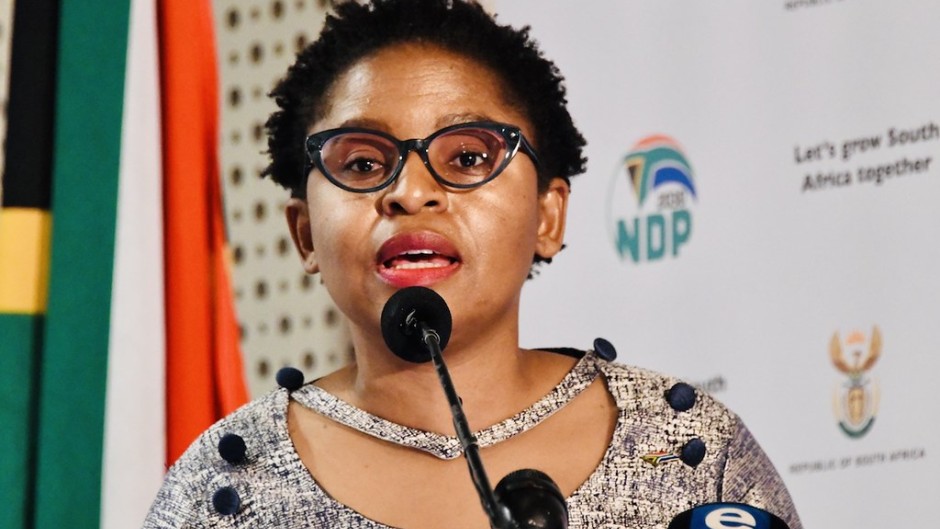
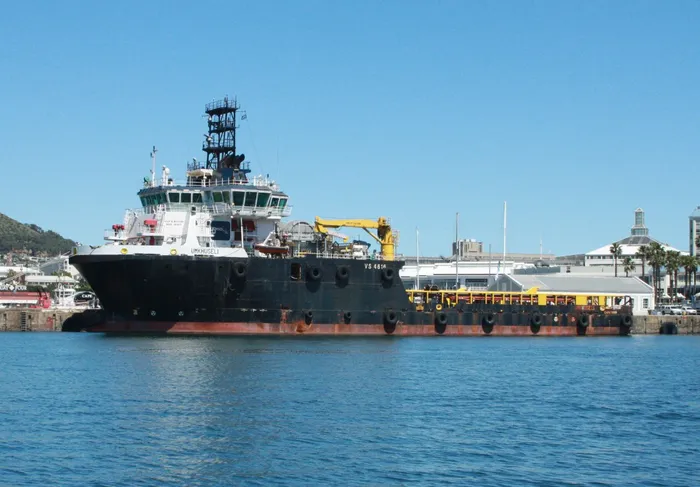
In response to the challenges and opportunities, Transport Minister Barbara Creecy stated that the Transport Department has contracted the vessel uMkhuseli. The vessel is intended for the prevention of oil pollution and to provide assistance to ships experiencing distress, indicating a focus on maritime safety and environmental protection. While this is a key step for maritime governance, it does not directly address the core issues of port efficiency and the ability to attract commercial shipping traffic for economic benefit. Further investment in port infrastructure, modernization of operational processes, and strategic policy reforms are widely considered essential for South Africa to reverse the trend of missed opportunities and fully participate in the global shipping boom.