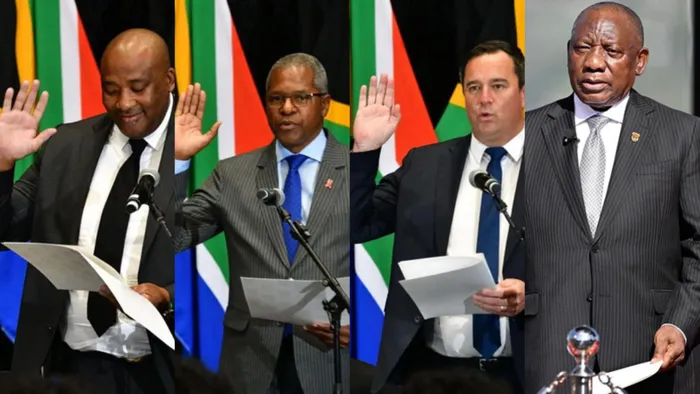
South Africa launched its "Milestones of Freedom" campaign at the Union Buildings on Thursday, June 18, 2026. The initiative aims to reflect on the nation's journey to freedom and the government's interventions designed to build a capable state. The campaign marks several significant historical anniversaries in South Africa.
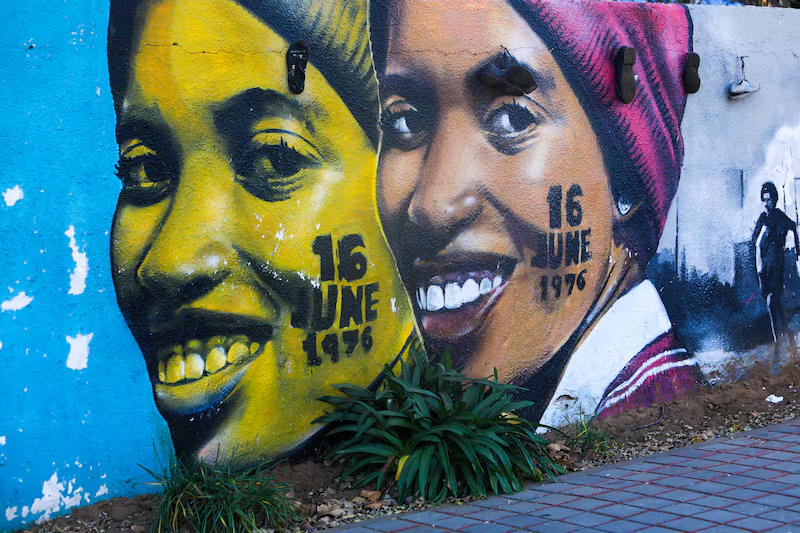
Among these commemorations is the 30th anniversary of the adoption of the Constitution. The campaign also observes the 50th anniversary of the 1976 youth uprisings, a key moment in the country's struggle for liberation. Additionally, the 60th anniversary of the forced removals from District Six is being recognized, noting a painful chapter in South Africa's past.
Acknowledging Past and Present Struggles
The "Milestones of Freedom" campaign is being held under the theme, 'Honouring the Past. Delivering the Future'. During the launch, President Cyril Ramaphosa stated that despite significant progress since the dawn of democracy, many South Africans continue to face considerable challenges. "We do not gather here to declare that our long walk to freedom is complete," President Ramaphosa said. "Rather, we gather here to acknowledge the great progress that we have achieved together as free South Africans and affirm our commitment to complete the task that history has bestowed upon us."
President Ramaphosa acknowledged that South Africans still contend with widespread issues. "There are still South Africans who go to bed hungry," he noted, adding that "young people without work, communities living in fear of criminals, and there are still South Africans waiting for the dignity that freedom promised." He emphasized that the campaign's milestones are not merely "artefacts of the past" but rather "foundations on which we need to build," serving as "a reminder of the work we still have to do."
The President noted several areas of advancement, stating that "since the dawn of democracy, millions who lived in darkness now have electricity. Millions who carried water from distant rivers now have clean water flowing from a tap." He added that "together, we have built millions of homes and thousands of clinics and schools." President Ramaphosa also pointed to improvements in the quality of life through social grants and free basic services for children, the elderly, persons with disabilities, and families.
Regarding gender equality, President Ramaphosa affirmed that "women hold positions of leadership in government, in our courts, boardrooms, universities and colleges, and in many other areas of our national life." He stated that efforts have advanced the education of the girl child, achieving gender parity in schooling and seeing female learners excel. "We have put in place laws and programmes that advance the position of women in the workplace and in the economy more broadly," he said. The President also indicated that the fight against gender-based violence and femicide is central to the national agenda, noting, "the work is far from done, but we can say that through our collective efforts the daughters of Lilian Ngoyi, Helen Joseph, Rahima Moosa and Sophie de Bruyn are rising."
For younger generations, President Ramaphosa noted increased school accessibility, with no-fee schools and daily meals. Financial aid has opened university and college gates, and investments are being made in skills, enterprises, and opportunities. He further addressed land reform, stating, "we have made great progress in returning the land to its original owners through our land restitution process. We have undertaken extensive redistribution of white-owned agricultural land to black farmers. We have given many rural dwellers security of tenure." While acknowledging this progress, he stated, "this work is not complete. We are committed to continue until we can say with confidence that the land belongs to all who work it and need it. This is what freedom has built."
President Ramaphosa issued a call for renewed civic engagement, stating, "freedom is not a monument we visit once a year. It is a responsibility we carry every day." He urged citizens to participate through volunteering, mentoring, reporting corruption, preventing violence against women, voting, and holding elected officials accountable. "We should add our voice to the millions of people who will be charting a new way forward for our country," he concluded. "This nation belongs to all of us, and it will be only as strong, as just and as free as we are willing to make it."
Transformative Strides Since Democracy
The "Milestones of Freedom" campaign also observes the 70th anniversary of the anti-pass campaign, reflecting on a significant historical struggle. President Cyril Ramaphosa noted tangible improvements in the lives of many South Africans since the establishment of democracy. He stated that "since the dawn of democracy, millions who lived in darkness now have electricity. Millions who carried water from distant rivers now have clean water flowing from a tap. Together, we have built millions of homes and thousands of clinics and schools." This progress includes the construction of numerous residences and healthcare and educational facilities across the nation.
Access to essential services has expanded significantly, with millions of households now connected to electricity and clean running water, a marked change from the pre-democracy era. Social grants and free basic services have been instrumental in improving the quality of life for vulnerable populations, including children, the elderly, persons with disabilities, and families. In education, significant strides have been made towards gender equality, achieving gender parity in access to schooling. This has ensured that girls have equal opportunities to attend school alongside boys.
Government efforts have also focused on addressing societal challenges, such as gender-based violence and femicide, which have been placed at the center of the national agenda. Educational support for younger generations includes the provision of no-fee schools and daily meals for children, aiming to reduce barriers to learning and improve student well-being. Financial aid programs have also been implemented, opening university and college gates to children from working-class and impoverished backgrounds, thereby increasing access to higher education.
Regarding land reform, the government has reported progress in returning land to its original owners through the land restitution process. This initiative aims to correct historical injustices related to land dispossession. Extensive redistribution of white-owned agricultural land to black farmers has been undertaken, contributing to greater equity in land ownership. Security of tenure has also been granted to many rural dwellers, providing stability and legal recognition of their land rights.
Future Commitments and Citizen Action
President Cyril Ramaphosa issued a call for activism, service, and participation, urging citizens to contribute to the nation's progress. He specifically suggested volunteering in schools, mentoring young people, cleaning streets, growing businesses, serving on school governing bodies, reporting corruption, and helping prevent violence against women. “Freedom is not a monument we visit once a year. It is a responsibility we carry every day. So today, we issue a call to activism, a call to service, a call to participate,” President Ramaphosa stated, also emphasizing the importance of voting in every election and holding elected officials accountable. South Africans are further encouraged to register to vote on June 20th and 21st.
President Ramaphosa stressed that the government is actively working on building an inclusive and growing economy, aiming to create more opportunities for its citizens. This includes expanding pathways from the classroom to the workplace, facilitating smoother transitions for young people entering the workforce. The government is also intensifying its efforts to combat poverty and hunger across the country.
Additionally, a key focus for the government is building a health system that serves all people, ensuring equitable access to medical care. President Ramaphosa affirmed that the administration is confronting crime and corruption "without fear or favour," indicating a firm stance against these societal challenges. He also noted the commitment to building a capable, ethical State that effectively serves the people.
President Ramaphosa urged South Africans to attend public dialogues to contribute to charting a new way forward for the country. He noted that the milestones observed by the campaign are not merely "artefacts of the past" but rather "foundations on which we need to build," serving as "a reminder of the work we still have to do." He acknowledged that challenges persist, stating, "There are still South Africans who go to bed hungry. [There are still] young people without work, communities living in fear of criminals, and there are still South Africans waiting for the dignity that freedom promised." He concluded, "We do not gather here to declare that our long walk to freedom is complete. Rather, we gather here to acknowledge the great progress that we have achieved together as free South Africans and affirm our commitment to complete the task that history has bestowed upon us."