South Africa is intensifying its efforts to combat illicit trade, with the government, The South African Revenue Service (SARS), and other state agencies increasing enforcement actions across the country. This concentrated push aims to curb significant financial losses to the national economy and safeguard legitimate economic activity. Illicit trade is estimated to cost the South African economy as much as R100 billion annually, according to official figures, a substantial drain on national resources that could otherwise be invested in public services and development. The enhanced measures by SARS and other government bodies target various forms of illegal commerce that undermine legitimate businesses and revenue collection, posing a serious threat to the country's economic stability and growth prospects. The government's multi-pronged approach reflects a growing recognition of the widespread and damaging nature of these illegal activities.
SARS Leads Crackdown on Illicit Goods
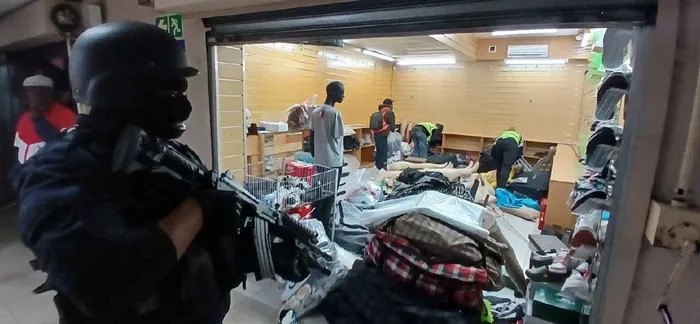
The South African Revenue Service (SARS) recently confiscated goods valued at an estimated R245 million during coordinated operations in parts of the North West province, marking a significant step in the ongoing battle against illegal trade. These enforcement actions targeted illicit trade activities within the region, demonstrating SARS's commitment to disrupting the networks that facilitate such commerce. The operations were meticulously planned and executed, involving various units within SARS to maximize their effectiveness.
More than 170,000 items were seized by SARS officials during raids conducted in Rustenburg, Brits, Marikana, and Hartbeespoort. The sheer volume of confiscated goods shows the scale of illicit trade operations in these areas. The items ranged from counterfeit products to smuggled goods, all of which contribute to the informal economy and deprive the state of much-needed tax revenue. The operations focused on disrupting various forms of illegal commerce that undermine the legitimate economy, ensuring that businesses operating within the law are not disadvantaged by unfair competition.
SARS stated that the operation's primary objective is to combat smuggling, counterfeit goods, and tax evasion, which are often intertwined in illicit trade networks. The revenue service emphasized its resolve to pursue those who engage in these illegal activities, noting the importance of compliance for a healthy economic environment. As a result of these enforcement activities, several businesses have been identified by the revenue service for further investigation, indicating an ongoing effort to address non-compliance and bring perpetrators to justice. The thoroughness of these investigations is key for dismantling illicit trade infrastructure and deterring future violations.
Economic Toll of Illicit Trade
President Cyril Ramaphosa has stated that illicit and counterfeit goods are damaging the economy, destroying jobs, and undermining local businesses, painting a grim picture of the consequences of unchecked illegal trade. Ramaphosa emphasized the severe threat posed by such activities, remarking, "Organised crime is now the most immediate threat to our democracy, our society and our economic development." This strong declaration notes the government's concern over the escalating influence of criminal enterprises in the country's economy. Among the top counterfeited and illicitly traded goods locally are tobacco, alcoholic beverages, and branded apparel and clothing, sectors that are particularly vulnerable due to high demand and potential for significant profit margins from illegal sales.
The illicit cigarette trade, in particular, has seen significant growth, becoming a major concern for both government and legitimate industry players. A study by the University of Cape Town’s Research Unit on the Economics of Excisable Products (REEP) indicated that approximately 60% of cigarettes sold in South Africa in 2021 were illegal, a staggering figure that points to a deeply entrenched black market. This figure marks a substantial increase from about 30% before the Covid-19 period, rising sharply to around 60% after the 2020 sales ban, and has remained at that elevated level, demonstrating the lasting impact of policy decisions on market dynamics. The proliferation of illegal cigarettes not only deprives the fiscus of excise duties but also poses health risks due to unregulated products.
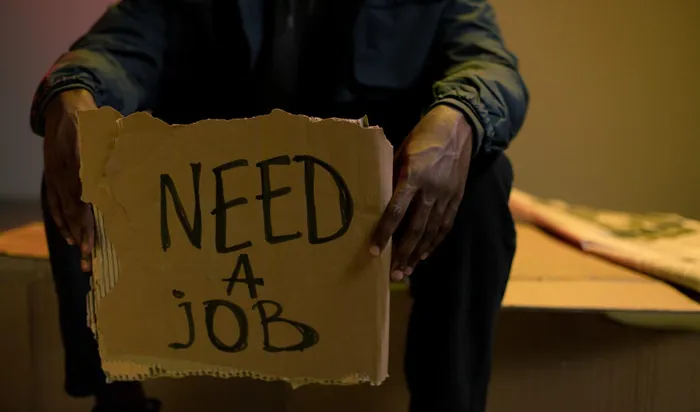
The impact of this illicit trade is evident in industry decisions, forcing legitimate businesses to re-evaluate their operations in the country. BAT South Africa (BATSA) has announced its plan to close its only manufacturing facility in Heidelberg, Gauteng, by the end of 2026, a move that will result in significant job losses and reduced local production capacity. The company attributed this decision directly to the devastating impact of the illicit cigarette trade, which has made legal operations unsustainable. Recent indications suggest that the illicit economy has expanded significantly, now representing around 20% of South Africa's Gross Domestic Product, a worrying statistic that shows the urgent need for full intervention. This substantial portion of the economy operating outside legal frameworks has profound implications for national development and social welfare.
National Strategy and Future Actions
In response to this growing crisis, President Cyril Ramaphosa has announced the establishment of a national illicit economy disruption programme, which will involve both state agencies and the private sector. This initiative aims to combat various forms of illicit trade across South Africa through a coordinated and collaborative approach. The programme is designed to bring together resources and expertise from different sectors to tackle the complex challenges posed by illegal economic activities.
The programme will specifically target high-risk sectors such as tobacco, fuel, alcohol, and other counterfeit products, which have been identified as primary drivers of the illicit economy. To enhance its effectiveness, the initiative plans to utilize advanced data analytics and artificial intelligence to identify and disrupt illegal activities, leveraging technology to stay ahead of sophisticated criminal networks. Beyond addressing revenue loss, the crackdown is intended to protect jobs and stabilize the national economy, recognizing that illicit trade not only deprives the government of funds but also undermines legitimate employment and investment. This holistic approach aims to restore fairness in the marketplace and support local industries.
The Chairperson of the Standing Committee on Finance, Joe Maswanganyi, stated that illicit trade poses a serious threat that necessitates urgent and coordinated action across all government spheres. Maswanganyi emphasized the importance of a unified front to effectively counter these widespread economic crimes. Parliament plans to engage with key institutions, including the South African Revenue Service (SARS), the Border Management Authority, and the police, to strengthen ongoing efforts to combat illicit trade effectively. This engagement will ensure that legislative and enforcement bodies are aligned in their strategies and resource deployment. This multi-pronged approach shows a national commitment to safeguarding economic integrity and legitimate commerce, signaling a strong and sustained push to reclaim the economy from the grips of illicit trade.