South Africa's trade regulator, the International Trade Administration Commission of South Africa (ITAC), approved an increase in the reference price for sugar imports to $785 per metric ton, up from the previous $680 per metric ton. The decision, made public on August 28, 2026, aims to enhance tariff protection for domestic sugar producers in South Africa. The adjustment reflects ongoing efforts to support the local industry against cheaper imports. This regulatory action by South Africa's trade regulator specifically targets the challenge posed by the influx of lower-priced foreign sugar. The move by ITAC is intended to create a more competitive environment for local sugar cane growers and millers, who have been struggling with market pressures. This change directly impacts the cost structure for importers, making foreign sugar less competitive compared to locally produced sugar and thereby bolstering the position of domestic producers.
Reasons for Price Adjustment
The increase in the reference price for sugar imports specifically addresses the challenge posed by cheaper shipments, particularly those originating from Brazil. The International Trade Administration Commission of South Africa (ITAC) indicated that the elevated reference price is intended to assist domestic sugar producers in recovering costs and stabilizing market volatility. This measure is a direct response to the economic pressures faced by the sector. The regulator also stated that this measure would support employment within the sector and encourage further investment, recognizing the sugar industry's significant contribution to job creation and economic activity in various regions of the country.
South Africa's domestic sugar industry has been grappling with several adverse conditions, including a decline in international sugar prices and an increase in import penetration. These factors have contributed to weakening production volumes and lower capacity utilization across the industry, leading to a precarious situation for many local businesses. Consequently, the sector has experienced deteriorating profitability, prompting the urgent need for intervention from regulatory bodies like ITAC. The combination of these challenges has put immense strain on the livelihoods of farmers, mill workers, and other stakeholders throughout the sugar value chain.
ITAC further clarified that the new reference price level is designed to bolster the sustainability of the domestic sugar industry and safeguard jobs. By making imported sugar more expensive, the commission hopes to create a more level playing field for local producers, allowing them to compete more effectively. It is also expected to stimulate investment within the sector, encouraging modernization and efficiency improvements. While implementing these protective measures, ITAC noted its intention to limit any negative effects on downstream users of sugar, such as beverage manufacturers and food processors, acknowledging the delicate balance between protecting local industry and ensuring affordable raw materials for other sectors. The commission's decision attempts to strike a careful balance, providing relief to producers without unduly burdening consumers or other industries reliant on sugar.
Industry's Plea and Regulator's Decision
The South African Sugar Association (SASA) had requested an increase in the Dollar-Based Reference Price for sugar imports to $905 per metric ton. This request was a direct appeal for stronger protection against what the association described as an import crisis. The association stated that the industry experienced significant losses, amounting to 1.6 billion rand during the 2025/26 season, attributing this decline directly to the impact of the import crisis. This figure translates to approximately $100 million, given the prevailing exchange rate of $1 to 15.9909 rand, noting the substantial financial distress faced by the sector.
However, the International Trade Administration Commission of South Africa (ITAC) rejected SASA's proposal for a $905 per metric ton reference price. The regulator determined that while intervention was necessary, the level proposed by SASA might have had too severe an impact on other parts of the economy. Concurrently, ITAC also rejected a competing submission from the Beverage Association of South Africa, which had advocated for a reduction in the existing reference price. The Beverage Association's argument likely centered on the potential for increased costs for their members, which could be passed on to consumers or affect their own profitability. ITAC concluded that a middle ground was necessary to balance the protection of local sugar production with the need to limit adverse impacts on downstream industries and consumers. This decision shows the complex economic considerations that ITAC must navigate, weighing the interests of various stakeholders across the supply chain.
The South African Sugar Association acknowledged the increase but noted it did not fully meet their expectations. The association stated, "welcomed the increase but said it fell short of the level needed to protect local producers from subsidised imports." This indicates that while the industry recognized the regulatory effort, it believes more strong measures are required to counter the effects of cheaper, potentially subsidized, imported sugar. The association's statement reflects an ongoing concern that even with the new reference price, the domestic industry might still be vulnerable to foreign competitors benefiting from subsidies or other market distortions.
Impact on Producers and Workers
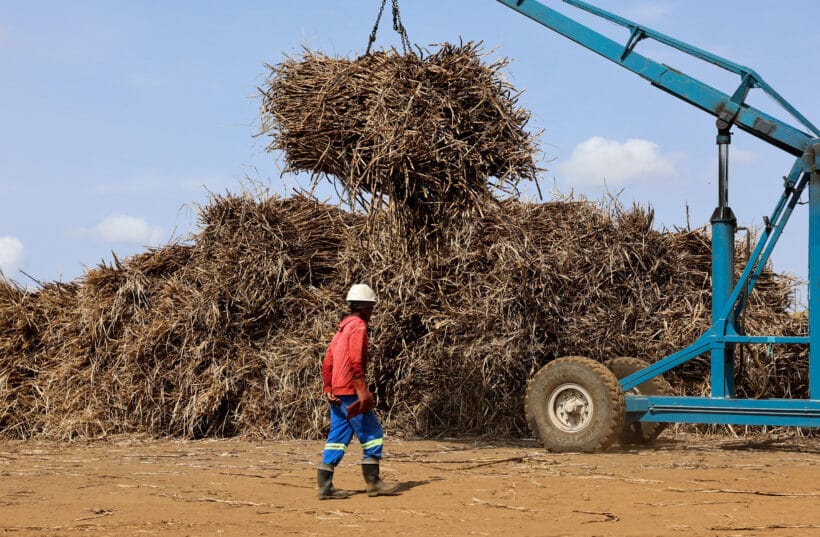
The effects of these market dynamics are keenly felt at the grassroots level. A worker was observed inspecting harvested sugarcane at Nkosinathi Msweli’s farm in KwaDukuza, South Africa, noting the on-the-ground reality for local producers. These daily operations are directly influenced by policy decisions and global market forces. Msweli himself stated that he plans to reduce his workforce by approximately 20 employees this season. This difficult decision reflects the economic pressures that farmers are currently enduring. He attributed this decision to the combined pressure of cheap imports and U.S. Tariffs, describing the situation as a "double whammy" for his agricultural operations. The challenges faced by individual farmers like Msweli show the broader difficulties within South Africa's sugar industry, where producers are caught between international trade policies and domestic market demands.
These operational adjustments, driven by market conditions and international trade policies, directly affect the livelihoods of agricultural workers in the sector. The proposed job cuts reflect the economic strain experienced by producers contending with competitive pricing from imported sugar and other external economic factors. The ripple effect of such decisions extends beyond the farm gate, impacting families and communities reliant on the sugar industry for their income. The increase in the reference price aims to mitigate some of these pressures, but the experiences of farmers like Nkosinathi Msweli demonstrate the persistent and multifaceted challenges that the South African sugar industry continues to face. The long-term sustainability of the sector, and the jobs it provides, remains a critical concern for both industry stakeholders and the government.