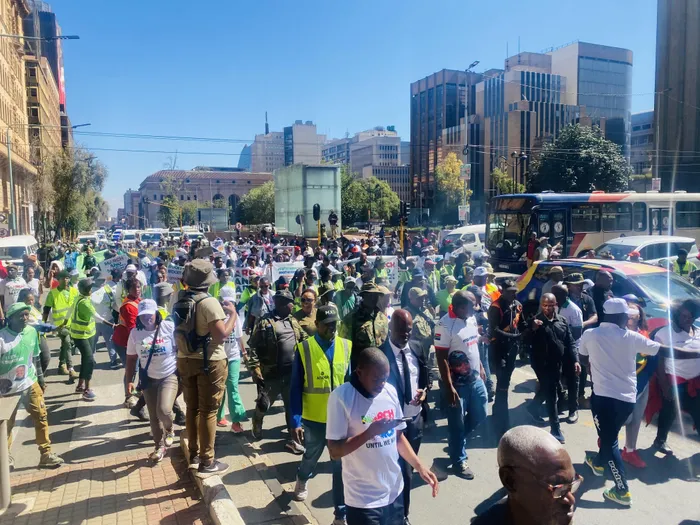
Anti-migrant protests and mobilisations, including those led by "March and March" and Operation Dudula movements, have recently occurred in Johannesburg and Durban. These demonstrations have involved various community groupings across both cities, signaling a growing wave of public discontent. Organisers of the protests, according to reports, are advocating for stricter immigration enforcement measures, alongside calls for tighter controls at national borders. They are also demanding the mass deportations of foreign nationals who are undocumented, a core tenet of their activism. This stance reflects a hardening position among certain segments of the population regarding migration policy and its implementation.
Roots of Resentment
Anti-migrant sentiment has gained political currency in South Africa in recent years, with some segments of the population believing that foreigners are taking jobs and unfairly benefiting from public services. This perception often fuels the calls for more stringent immigration policies and enforcement. Cici Sebego, a sociology and community development facilitator, stated that this anti-migrant sentiment is historically rooted rather than a spontaneous phenomenon, suggesting deep-seated issues contribute to its persistence. Ahmed Kathrada Foundation spokesperson Anele Gcwabe suggested that movements like ‘March and March’ are part of an established cycle. Mr. Gcwabe explained that unresolved structural challenges, weak accountability, and misinformation continuously reproduce similar movements under different names. He added, "What defines these moments is not their core message, but their timing and form," implying that while the names and specific triggers may change, the underlying grievances remain consistent. This cyclical nature notes the enduring difficulty in addressing the root causes of anti-migrant sentiment.
The Inclusive Society Institute warned that trust between communities is under strain, particularly concerning perceptions of undocumented migration. The Institute noted that "There is no inherent objection to legal immigration conducted within the framework of the law," differentiating between legal and undocumented migration in their assessment. South Africa records one of the world's highest unemployment rates, currently around 33%. This high unemployment rate is often cited by those who believe foreign nationals are exacerbating the job crisis. Official figures indicate that the country is home to approximately 2.4 million migrants, representing just under 4% of the total population. Most of these migrants originate from neighboring countries such as Lesotho, Zimbabwe, and Mozambique, often seeking economic opportunities or refuge from instability in their home countries. Mr. Gcwabe stressed that while civil society interventions are necessary and meaningful, they cannot succeed alone without coordinated governance and visible socio-economic intervention from the state. This shows the need for a multi-faceted approach involving both governmental action and community-level engagement to effectively address the complex challenges.
The economic pressures contributing to these tensions are substantial. With a national unemployment rate hovering around 33%, the competition for jobs, particularly in low-skilled sectors, is intense. This economic strain creates fertile ground for narratives that blame foreign nationals for domestic economic woes, despite evidence often pointing to broader structural issues. The perceived strain on public services, from healthcare to housing, also contributes to the resentment, with some citizens feeling that resources are being unfairly diverted or overstretched by the presence of migrants. The demographic data, showing migrants constituting less than 4% of the population, often gets overshadowed by these strong public perceptions and anxieties. The call for stricter border controls and mass deportations is frequently framed as a necessary measure to alleviate these perceived pressures on the job market and public services.
Government and Civil Society Response
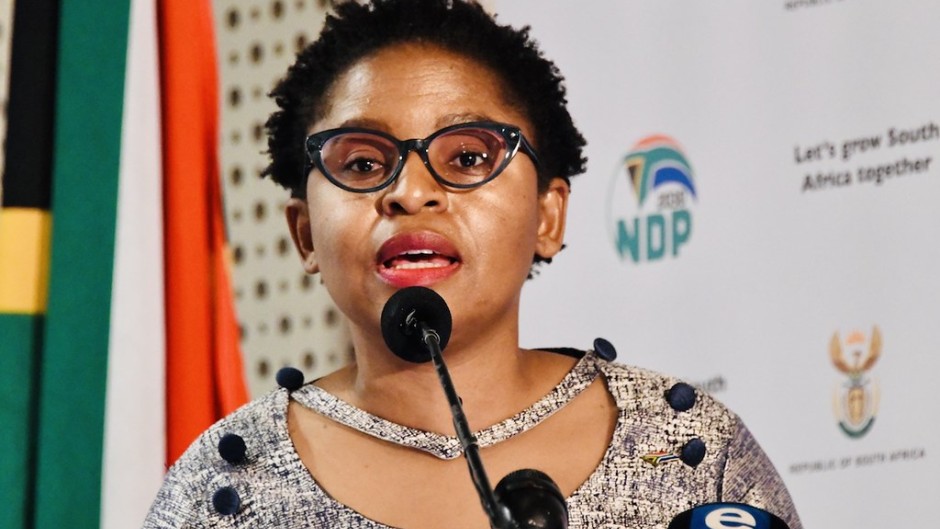
Minister in the Presidency Khumbudzo Ntshavheni stated that the government views the current mobilisation as part of broader attempts to exploit socio-economic grievances for destabilisation. Ms. Ntshavheni said, "We have seen consistent attempts to mobilise uprisings in the country. Small or minor issues are used to mobilise the uprisings. They have failed, and they will fail this time around." This statement reflects the government's belief that while the protests articulate genuine grievances, they are also being co-opted. She further commented on the legitimacy of protest, noting, "South Africans are within their right to protest against the spiralling illegal immigration challenge, but violence linked to those protests in the past is not acceptable, and law enforcement must deal with the instigators of such violence." This notes the government's dual approach of acknowledging the right to protest while condemning any associated violence.
In response to concerns about misinformation, Ms. Ntshavheni also asserted, "The fake videos and images are not only fake, but they are intended to undermine the good reputation of South Africa internationally and undermine South Africa’s pursuit of a better Africa agenda." This indicates a governmental concern about the spread of false narratives that could damage the country's international standing and its diplomatic efforts on the continent. The Cabinet has directed the deployment of 10,000 labour inspectors to intensify workplace inspections across various sectors, including agriculture, construction, hospitality, and transport. This measure aims to ensure compliance with labour laws and address issues of undocumented workers, which is a significant demand from the protest organisers. The Border Management Authority has also reported the deportation of more than 500,000 undocumented migrants, showing ongoing efforts by the state to manage and control illegal immigration.
Regarding policy, the Immigration Amendment Bill is mentioned as a process requiring proper implementation and clear communication. The effective execution and transparent explanation of this bill are seen as key steps in addressing some of the underlying concerns driving the anti-migrant protests. Meanwhile, several civil society organisations are actively involved in response efforts. These include the Socio-Economic Rights Institute (SERI), Lawyers for Human Rights, the Scalabrini Centre, People Against Suffering, Suppression, Oppression and Poverty (PASSOP), the Consortium for Refugees and Migrants in South Africa, Sonke Gender Justice, and Gift of the Givers. These organisations play a vital role in providing legal aid, humanitarian assistance, and advocacy for migrant rights, often working to counter misinformation and promote social cohesion. Their work is considered essential in mitigating the negative impacts of anti-migrant sentiment and ensuring that the rights of all individuals, regardless of their immigration status, are upheld.
Independent political analyst Goodenough Mashego argued that responses to the protests should focus on reflection rather than suppression. Mr. Mashego said, "I think they should not be quieted. But the people that are taking part need to have introspection, am I abetting illegal immigration or am I contributing to illegal immigration?" This perspective suggests that a deeper examination of individual and societal roles in the immigration landscape, including potential complicity in illegal activities, is necessary for a constructive resolution. This introspection could involve scrutinizing practices that inadvertently support undocumented migration, such as employing individuals without proper documentation or failing to report suspicious activities.
Impact on Migrant Communities
On Tuesday, hundreds of individuals participated in a protest organized by March and March, taking to the streets of Pretoria and marching towards the Union Buildings, the official seat of the South African government. This demonstration aimed to bring their demands directly to the attention of national leadership. Another march is scheduled for Wednesday in Johannesburg, indicating the sustained momentum of these anti-migrant movements. Amidst these demonstrations, African migrants in Pretoria were urged to exercise heightened vigilance during an anti-illegal immigration march, noting the immediate safety concerns faced by foreign nationals.
Ghana's high commission, responding to the escalating situation, advised its nationals to close their businesses and maintain a low profile. This cautionary advice shows the tangible threats perceived by diplomatic missions to their citizens residing in South Africa. Similarly, the head of the Nigerian Union of South Africa instructed its members to remain indoors for their safety, reflecting a serious concern for the physical well-being of Nigerian nationals. These advisories reflect the increasing apprehension within migrant communities, who often bear the brunt of such anti-migrant mobilisations. The fear of xenophobic attacks, property damage, or harassment becomes a daily reality for many foreign nationals during these periods of heightened tension.
Further contributing to the anti-migrant discourse, reports indicated that in February, South Africa's Zulu King Misuzulu kaZwelithini used a derogatory term for foreigners and stated that they should all depart the country. Such pronouncements from influential figures can intensify an already volatile environment for migrant populations, lending a veneer of legitimacy to xenophobic sentiments and potentially inciting further hostility. The series of events shows the direct impact of the anti-migrant sentiment on the daily lives and security of foreign nationals residing in South Africa, compelling them to take precautions and live in a state of heightened alert. The calls from diplomatic missions for their citizens to remain vigilant and take protective measures illustrate the serious implications of these protests for international relations and the safety of migrant communities within the country. The ongoing dialogue between government, civil society, and affected communities remains critical in navigating these complex and often emotive issues.