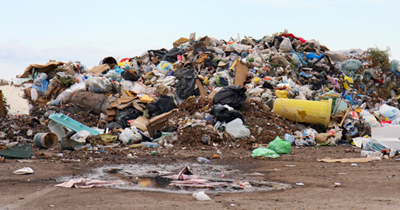
South Africa faces a significant waste management challenge, with an estimated 12.7 million tonnes of household waste generated annually. The vast majority of this waste, more than 60%, continues to be disposed of in landfills across the country. This reliance on landfilling poses substantial environmental and economic burdens, pushing the nation towards a critical juncture in its waste management trajectory. The sheer volume of waste generated annually notes the scale of the problem and the urgent need for full solutions.
Critical Landfill Shortages Loom
Landfill sites in major metropolitan areas, including Cape Town, eThekwini, and Ekurhuleni, are nearing their maximum capacity, according to reports. This pressing issue is not isolated, but rather a widespread concern impacting urban centres across the nation. The diminishing space available in these key facilities exacerbates the country's waste management challenges, as nearly 29% of generated waste is not formally collected or treated. This uncollected waste often ends up in illegal dumps, contributing to pollution and health hazards in communities. The impending shortage of landfill space shows the urgency for South Africa to implement alternative waste management strategies. Without sufficient landfill capacity, cities face increased risks of illegal dumping and environmental pollution, further straining public health and ecological systems. The current trajectory indicates a critical need for infrastructure development and policy interventions to manage waste streams more effectively and prevent a full-blown crisis. This situation necessitates a shift from traditional linear waste management models to more sustainable, circular approaches.
New Strategy Targets Waste Diversion
South Africa’s Department of Forestry, Fisheries and the Environment published the draft National Waste Management Strategy 2026 (NWMS 2026) in December 2025. This significant policy document represents a concerted effort by the government to address the escalating waste crisis. The NWMS 2026 establishes a full roadmap for waste reduction and resource recovery throughout the country over the next five years, outlining clear objectives and mechanisms for implementation. This strategic document aims to significantly alter current waste disposal practices, which are heavily reliant on landfilling. It includes specific targets designed to divert waste away from landfills, promoting practices that conserve valuable resources and mitigate environmental harm. The strategy outlines plans to achieve a 40% reduction in landfill waste, a substantial goal that requires widespread adoption of recycling, composting, and other recovery methods. This diversion goal is central to the nation's efforts to transition towards a more sustainable waste management system, emphasizing resource recovery and circular economy principles. The publication of the draft strategy marks a key step in addressing the pressing challenges of diminishing landfill capacity and environmental pollution across South Africa, providing a framework for a more resource-efficient future.
Economic Opportunities in Waste Sector
South Africa’s waste value chain generated an estimated R36.4 billion in revenue in 2023, indicating significant economic activity within the sector. This substantial revenue notes the existing economic footprint of waste management and its potential for further growth. The industry plays a substantial role in employment, supporting more than 30,000 formal jobs across various operations, including collection, processing, and recycling. Beyond formal employment, the waste sector also provides an estimated 90,000 informal roles, noting its critical contribution to livelihoods, particularly in communities where formal employment opportunities may be limited. These informal roles often involve activities such as waste picking and material sorting, which are key for the recovery and recycling of resources, especially in the absence of strong formal systems. The dual nature of formal and informal employment shows the sector's broad economic impact and its potential for further growth and formalization as the country shifts towards a circular economy model. The revenue generation and job creation demonstrate the sector's current economic footprint and its capacity to contribute to national economic development while addressing environmental challenges.
Urgency and Implementation Challenges
Extended Producer Responsibility (EPR) regulations are increasingly placing accountability on businesses to manage post-consumer waste, shifting the burden from municipalities to manufacturers. This regulatory framework is a key component of the new strategy, aiming to incentivize sustainable product design and end-of-life management. Informal waste pickers process more than 80% of recyclable materials in the country, noting their critical role in the current system and their indispensable contribution to resource recovery. Their integration into formal waste management systems is a key consideration for the successful implementation of the NWMS 2026. The Institute of Waste Management of Southern Africa (IWMSA) marks its 50th anniversary in 2026, showing decades of engagement in waste management issues and its ongoing commitment to advancing sustainable practices within the sector. The collective efforts of government, industry, and civil society will be essential to overcome the challenges and realize the ambitious goals set forth in the new national waste management strategy.