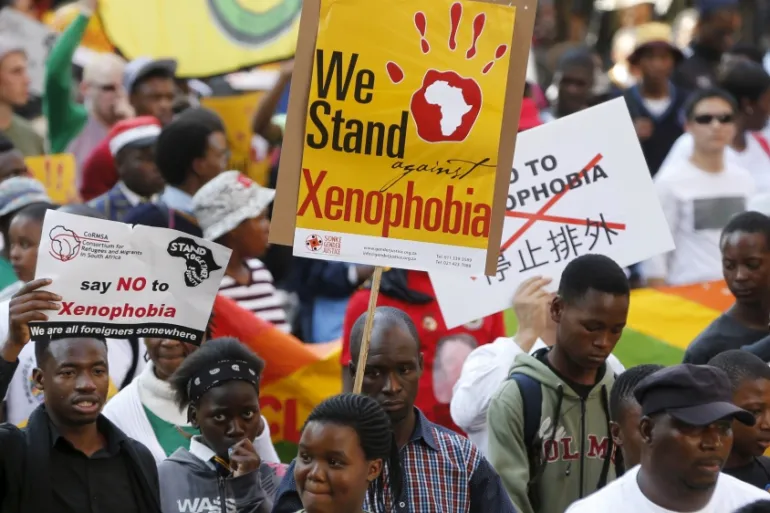
Human Rights Watch has issued a stark warning regarding a new surge of xenophobic attacks occurring across South Africa. The international human rights organization's statement shows a concerning escalation in anti-migrant sentiment and actions throughout the nation. This critical alert from Human Rights Watch comes amidst a series of increasingly visible and often confrontational protests in major South African cities, including Johannesburg, Pretoria, and Durban, where demonstrations have prominently noted growing anti-migrant sentiment. The organization's assessment points to a deteriorating situation for foreign nationals residing and working in the country, urging immediate attention to the underlying causes and manifestations of xenophobia.
Escalating Protests and Vigilante Actions Across the Nation
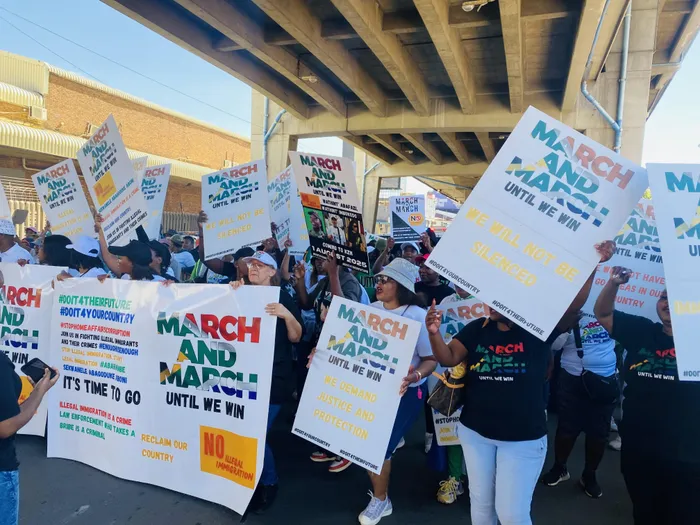
Anti-immigration groups in South Africa are intensifying their protests and vigilante-style actions, directly targeting foreign nationals in various communities. These organized efforts are contributing to a climate of fear and insecurity among migrant populations. Groups such as March and March, and Operation Dudula, are at the forefront of leading these demonstrations across the country, often mobilizing significant numbers of participants. The activities of these groups are not confined to isolated incidents; instead, they represent a broader, coordinated movement. Disturbing messages and videos circulating widely on social media platforms show anti-immigration activists explicitly calling for foreign nationals to leave South Africa by a specific deadline, June 30, further amplifying the pressure and intimidation directed at these communities.
One particularly troubling incident occurred in January, involving Mpofu, a Zimbabwean former courier who was working for Mr Delivery. Mpofu was confronted by a vigilante group in Pretoria CBD, an encounter that vividly illustrates the direct targeting of individuals perceived to be foreign nationals. Describing the harrowing experience, Mpofu recounted, "My workmates jumped out of the company van and ran, leaving me alone. They started harassing me, asking why my colleagues were running away." This incident is not isolated; it reflects a pattern of harassment and intimidation that foreign nationals frequently face in their daily lives, often while simply performing their jobs or going about their routines. Such encounters highlight the widespread nature of the anti-migrant sentiment and the readiness of some groups to engage in direct confrontation.
Earlier this year, significant tensions erupted in Mpumuza, a situation that tragically led to foreign nationals being driven out of the area. During these tumultuous events, many individuals suffered substantial losses, with some losing their personal belongings and their entire business stock. This displacement and loss of assets had a devastating impact on their livelihoods and personal security, forcing them to abandon their homes and sources of income. The events in Mpumuza serve as a stark reminder of the severe consequences that xenophobic actions can have on the lives of foreign nationals, often resulting in economic ruin and profound emotional distress.
Pat Mokgalusi serves as a spokesperson for the Dudula Operations Movement, one of the prominent groups actively involved in these anti-migrant actions. Mokgalusi's role involves articulating the movement's objectives and justifying its methods, which often include direct actions against foreign nationals. Similarly, Jacinta Ngobese Zuma is the founder of March and March, another organization spearheading protests and advocating for stricter immigration enforcement. The activities of these groups, and the public statements made by their leaders, contribute significantly to the escalating anti-migrant sentiment and actions observed across South Africa. These organized efforts and localized incidents reflect a growing and deeply concerning trend of xenophobic sentiment manifesting in both public demonstrations and direct, often aggressive, confrontations. The visible presence and vocal demands of these organizations create an environment where foreign nationals feel increasingly vulnerable and unwelcome.
Roots of Xenophobia and Political Rhetoric
The rise in anti-migrant sentiment is significantly fueled by political rhetoric, particularly from certain political parties. Parties such as the Patriotic Alliance, ActionSA, and uMkhonto we Sizwe are actively framing migrants as direct competitors for scarce jobs and public services in South Africa. This narrative, often amplified through various media channels, contributes to the widespread anti-migrant sentiment observed in numerous communities across the country. Nomathamsanqa Masiko-Mpaka, an HRW South Africa researcher, has specifically noted the detrimental impact of such narratives, noting how political discourse can legitimize and exacerbate xenophobic tendencies among the populace. The researcher's observations show the critical link between political messaging and the manifestation of social unrest and discrimination.
The tangible effects of this rhetoric are felt acutely by foreign nationals. Zwelibanzi Velempini Khumalo described increasing hostility in communities around Durban and Pietermaritzburg, particularly affecting informal traders and shop owners who are often at the front lines of economic interaction. Khumalo stated, "Informal traders and shop owners were the most affected. Some were allegedly looted, while others were forced to abandon their homes." This situation shows the direct and severe consequences of rising xenophobia on individuals' livelihoods and personal safety, as their businesses are targeted and their residences become unsafe. The economic vulnerability of these individuals is exploited, leading to significant financial losses and displacement.
Khumalo also shed light on the systemic difficulties faced by migrants in formalizing their status within South Africa, a bureaucratic hurdle that further exacerbates their precarious position. "We have tried to regularise our documents, but it is difficult to penetrate the system because there is too much red tape," Khumalo explained. This administrative hurdle can leave migrants in a legal limbo, unable to secure their legal right to work and reside, thereby making them even more vulnerable to exploitation and harassment. The inability to obtain proper documentation means many are forced into the informal economy, where they are more exposed to xenophobic attacks and have limited recourse for protection. The combination of political framing, community hostility, and persistent bureaucratic challenges creates an exceptionally complex and often hostile environment for foreign nationals attempting to build lives in the country. This multifaceted pressure makes it exceedingly difficult for migrants to integrate safely and productively into South African society, perpetuating a cycle of insecurity and discrimination.
Official Responses and International Concerns
In response to the escalating situation, President Cyril Ramaphosa has unequivocally stated that targeting migrants under the guise of activism is unlawful. This assertion from the highest office comes as South Africa faces increasing anti-migrant sentiment and actions, emphasizing the government's official stance against vigilantism and unlawful discrimination. The President's statement aims to reaffirm the rule of law and the constitutional protections afforded to all individuals within South Africa's borders, regardless of their nationality.
The growing tensions within South Africa have also drawn the attention of neighboring countries. Zimbabwe’s Foreign Minister Ziyambi Ziyambi indicated that his country is closely monitoring the rising anti-migrant tensions in South Africa. This monitoring reflects the deep concern of Zimbabwe, given the significant number of its citizens residing in South Africa and the potential impact of xenophobic violence on their safety and well-being. Nomonde Mnukwa serves as a government spokesperson for South Africa, acknowledging the official stance on these developments and often relaying statements regarding the government's efforts to address the issue.
Internationally, concerns have been voiced by prominent global bodies, showing the broader apprehension regarding the escalating situation in South Africa. The United Nations Secretary-General Antonio Guterres has expressed his concern, noting the universal principles of human rights and the need for all nations to protect foreign nationals. Similarly, the African Commission on Human and Peoples’ Rights (ACHPR) has also issued statements, emphasizing the regional implications of xenophobia and calling on South Africa to uphold its commitments under international and regional human rights instruments. These international condemnations and calls for action reflect the global community's alarm over the rise of xenophobia in a country that once championed human rights and equality. The collective voice of these international entities adds significant pressure on the South African government to implement effective measures to protect foreign nationals and combat xenophobic violence.