Anti-immigration groups in South Africa have issued calls for all undocumented migrants to depart the country by the end of June, a deadline that has intensified tensions across the nation. These groups, advocating for stricter immigration enforcement, have organized numerous demonstrations. During protests, many participants chant "Mabahambe," a Zulu phrase meaning "They must go," reflecting the strong desire for foreign nationals to leave. March for March, identified as the largest of these groups, plays a prominent role in these movements and is led by a former radio host based in Durban. The escalating sentiment has led to direct threats against foreign nationals, creating a climate of fear and uncertainty. Kaunga Nyirenda, a Malawian gardener in Johannesburg, recounted receiving explicit threats, telling CNN, "When are you going to leave the country? We want to fix our country. If you don’t leave now, you’re going to leave in a coffin because we don’t need anyone after 30th of June." This chilling account shows the severity of the threats faced by many migrants.
Protests and Threats Intensify
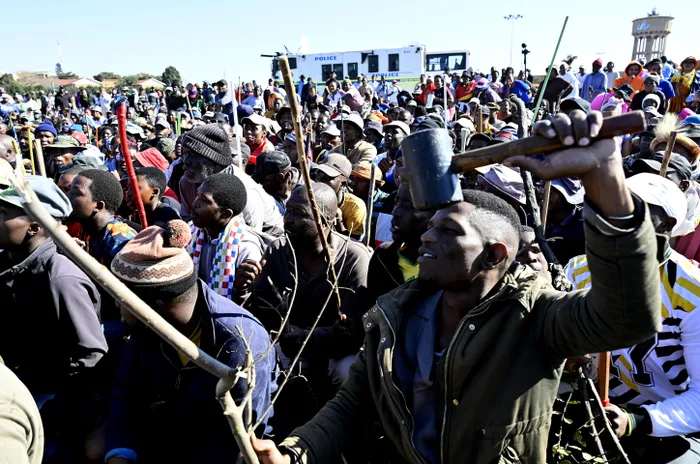
Anti-immigrant protesters have marched through South African streets, with many participants brandishing sticks, signaling an aggressive stance towards foreign nationals. These demonstrations have coincided with a rise in attacks targeting foreigners across the country, further exacerbating the precarious situation for immigrant communities. The escalating tensions stem directly from calls by anti-immigration groups for all undocumented migrants to leave South Africa by the end of June. These groups have been vocal in their demands, organizing public demonstrations and leveraging social media to disseminate their message. The protests have not only involved marches but have also, in some instances, led to confrontations and acts of violence against perceived foreign nationals.
The June 30 deadline appears to be an arbitrary date, according to reports from various media outlets. Most of the anti-immigration organizers have not specified what actions will be taken once the deadline passes, contributing to widespread anxiety. NPR reported that organizers have "not specified what will happen when it passes," leaving both authorities and immigrant communities in the dark about potential post-deadline scenarios. This lack of clarity has contributed significantly to uncertainty among immigrant communities, who are left to speculate about their future safety and status. The ambiguity surrounding the deadline's implications has only heightened the sense of vulnerability among those targeted by the anti-immigrant rhetoric.
The protests and associated threats have created a widespread climate of fear for many foreign nationals residing in South Africa. The explicit demands for departure, coupled with the threat of violence, have forced many to consider their options, including potential repatriation. While organizers have set a firm date for migrants to depart, the absence of a clear, articulated plan for post-deadline actions leaves the situation dangerously ambiguous, preventing effective preparation or mitigation efforts by affected individuals and support organizations. The psychological toll on these communities is immense, as they grapple with the possibility of displacement and harm.
Context and Counterarguments
Despite rising anti-immigrant sentiment, data indicates foreign nationals constitute a small percentage of South Africa's population, challenging the narrative that they overwhelm the country's resources. South Africa’s most recent census figures from 2022 reported 2.4 million foreign nationals had immigrated out of a total population of 62 million. This figure represents less than 4% of the country's total population, suggesting that the perceived burden on public services and the job market may be exaggerated by anti-immigrant groups. This demographic reality contrasts sharply with the rhetoric often employed by those advocating for mass deportations.
Economic analyses also present a counter-narrative to claims that immigrants strain the job market and contribute to high unemployment rates among native South Africans. A 2018 World Bank report stated that every migrant job creates approximately two jobs for native South Africans. This suggests a positive correlation between migrant employment and overall job growth within the country, indicating that foreign nationals contribute to, rather than detract from, the national economy. The report noted that migrants often fill critical labor gaps, start businesses, and consume goods and services, all of which stimulate economic activity and create opportunities for local populations. This economic contribution is often overlooked in the emotionally charged debates surrounding immigration.
Claims regarding the burden on public services have also been challenged by expert analysis. Anthony Kaziboni, a senior researcher at the University of Johannesburg’s Center for Social Development in Africa, told Reuters that undocumented migrants are "highly unlikely to try to use public hospitals or schools, for which they must register, for fear of being found out." This perspective suggests that undocumented migrants may actively avoid official public services due to concerns about their legal status, meaning they are less likely to strain these systems than commonly assumed. Their reluctance to engage with formal institutions stems from a desire to remain undetected, which paradoxically lessens their impact on public infrastructure.
The protests and associated threats are reportedly having a negative impact on the country's broader socio-economic fabric, extending beyond the immediate targets of xenophobia. Deutsche Welle reported that the "current protests are already causing socioeconomic damage," indicating that the ongoing anti-immigrant actions are having broader economic and social consequences. This damage includes disruptions to trade, decreased foreign investment, and a tarnished international reputation, all of which can hinder South Africa's development and stability. The instability created by these movements deters businesses and investors, who seek predictable and secure environments.
International Reactions and Repatriation
The escalating situation in South Africa has not gone unnoticed by the international community. Some nations have begun repatriating their citizens from South Africa, simultaneously criticizing the country for what they describe as a climate of xenophobia. The Associated Press reported that these nations "have begun repatriating citizens while criticizing South Africa for what they call a climate of xenophobia." This response indicates growing international concern over the rising anti-immigrant sentiment and threats within South Africa, signaling a significant diplomatic challenge for the nation. The decision by these countries to evacuate their citizens serves as a stark warning about the perceived dangers faced by foreign nationals.
The actions taken by these nations show the perception that the environment for foreign nationals has deteriorated significantly, making it unsafe for their citizens to remain. The repatriation efforts reflect a direct response to the escalating tensions and the calls made by anti-immigration groups for undocumented migrants to leave the country. These international reactions highlight the broader implications of the domestic anti-immigrant movement, extending beyond South Africa's borders and affecting its relationships with other countries. The criticism from these nations points to a perceived failure on the part of South African authorities to adequately protect foreign residents and to address the underlying issues contributing to xenophobic sentiment. This international pressure adds another layer of complexity to the already volatile situation, urging South Africa to find sustainable solutions to protect all residents within its borders.