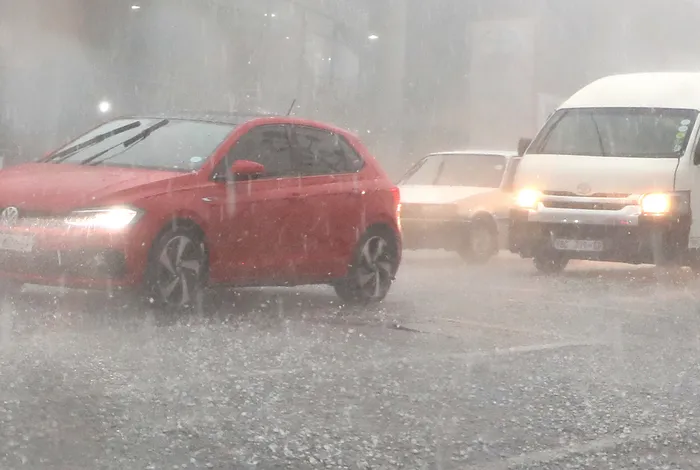
The world is likely to surpass the 1.5°C global warming threshold within the next few years, a critical benchmark that refers to the global average temperature compared with the pre-industrial period. This increase is projected to bring more extreme weather, damage to ecosystems, and threats to food security and water supplies, alongside growing risks to human health, infrastructure, and economies. President Cyril Ramaphosa stated in February that South Africa was already experiencing climate change effects, noting these impacts are "predicted to increase rapidly." He emphasized that "South Africa is already experiencing the effects of climate change," noting the current and anticipated challenges the nation faces. The 1.5°C figure serves as a key point of reference for climate action and global warming discussions, marking a limit beyond which scientists predict increasingly severe and potentially irreversible changes to the planet's climate systems.
El Niño Fuels Immediate Drought Concerns
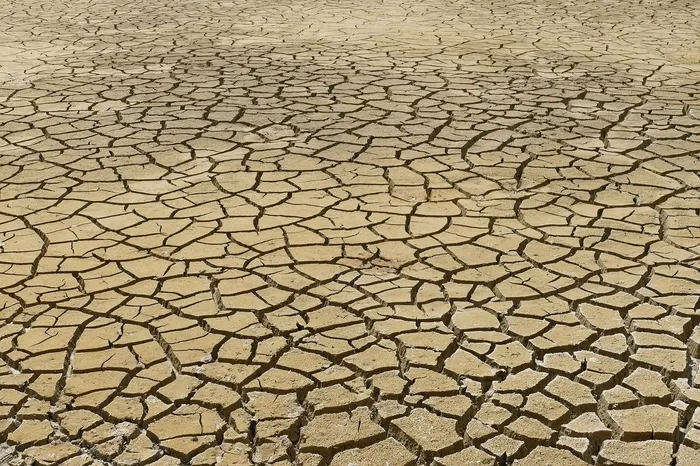
El Niño conditions were expected to persist through the 2026/27 summer season, according to a September 2 statement from the Department of Agriculture. The department's outlook indicated that numerous areas across the country would face below-normal rainfall during the summer months. In South Africa, El Niño weather patterns are typically linked to lower-than-normal rainfall coinciding with elevated temperatures, exacerbating potential drought conditions. The Department of Agriculture's September 2 statement specifically noted these concerns, providing a detailed outlook for the upcoming seasons and showing the immediate challenges posed by these climatic phenomena.
The Agriculture Department warned that the combination of below-normal rainfall and high temperatures could lead to dry conditions and heat stress. These factors, the department stated, contribute significantly to crop failures and livestock deaths, severely impacting agricultural productivity and food supply across the nation. The potential for widespread crop failures and livestock deaths poses a direct threat to the livelihoods of farmers and the broader food security of the country. Additionally, low rainfall often necessitates water restrictions, which can severely affect irrigation farmers who rely on consistent water availability for their crops. Such restrictions can lead to reduced yields and economic hardship for those dependent on irrigated agriculture, further stressing the agricultural sector. The United Nations Environment Programme's (UNEP) report suggests that risks to food security and water supplies intensify with every additional fraction of a degree above the 1.5°C global warming threshold, showing the urgency of these warnings in the face of El Niño's immediate impacts.
Broader Warming Impacts and UNEP Warnings
The United Nations Environment Programme (UNEP) released a report on September 2, indicating that the most optimistic scenario projects global temperatures to peak at approximately 1.8°C above pre-industrial levels. This scenario, while seemingly moderate, still represents a significant increase beyond the 1.5°C target. According to UNEP, climate risks and impacts intensify with every additional fraction of a degree once temperatures rise above the 1.5°C threshold. The organization emphasizes that these risks also increase with each year spent at higher temperatures, meaning prolonged periods above the threshold will lead to progressively more severe consequences. The consequences of warming above 1.5°C are projected to include more extreme weather events, substantial damage to ecosystems, and heightened threats to food security and water supplies. These elevated temperatures are expected to bring growing risks to human health, critical infrastructure, and national economies, impacting various facets of human well-being and societal stability.
UNEP further warns that increased global warming will lead to progressively severe climate impacts. These impacts are expected to include more extreme weather events, alongside substantial damage to cities and critical infrastructure, which could disrupt essential services and daily life. The report from UNEP describes a specific trajectory for global temperatures, which it terms an "overshoot, peak and decline" pathway. This pathway suggests that temperatures would temporarily exceed a certain level before eventually receding, a process that could still inflict considerable damage during the "overshoot" period. This "overshoot, peak and decline" pathway shows the challenge of containing global warming and the potential for temporary but impactful exceedances of temperature targets. The implications of such a pathway are significant, as even a temporary rise above 1.5°C can trigger irreversible changes and intensify climate-related hazards, demonstrating the critical importance of limiting both the peak temperature and the duration of any overshoot.
Call for Climate-Proofing and Adaptation
In light of these escalating threats, South Africa needs to continue reducing greenhouse gas emissions and preparing for the inevitable impacts of climate change. President Cyril Ramaphosa said the country needed to climate-proof its infrastructure, making it more resilient to extreme weather events and changing environmental conditions. He also emphasized the necessity of strengthening disaster-management capabilities to better respond to environmental challenges, such as floods, droughts, and heatwaves. These measures are critical as South Africa experiences the effects of a changing climate, and proactive adaptation is essential to protect its citizens and economy. The President's call notes the dual approach required: mitigating future warming through emission reductions while simultaneously adapting to the changes already underway and those yet to come. Investing in resilient infrastructure and strong disaster response systems is seen as fundamental to safeguarding the nation's future against the intensifying climate crisis, ensuring that communities are better prepared for the challenges ahead.