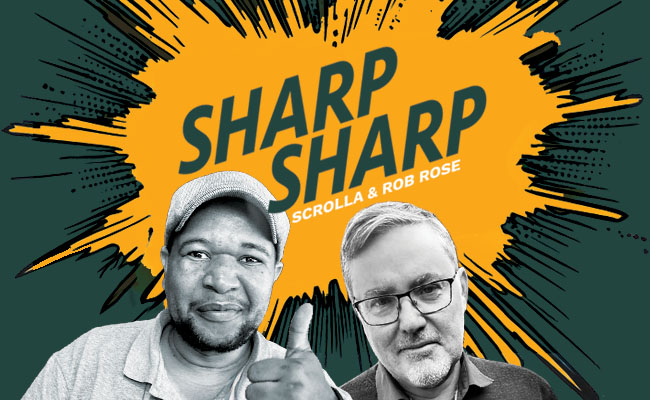
A planned march and threats targeting foreigners in South Africa are scheduled to culminate on June 30, raising significant concerns about social cohesion and regional stability. This looming deadline has prompted intense discussions among political analysts and commentators. Rob Rose and Zukile Majova are actively discussing the potential outcomes related to this deadline, exploring the various scenarios that could unfold. Patrick Smith from Africa Confidential has also joined the discussion, providing an international perspective on these complex events. Their full analysis is part of Sharp Sharp, a podcast focusing on South African politics, money, and power, produced by Currency and Scrolla.Africa. The podcast serves as a key platform for dissecting the multifaceted challenges facing the nation as the June 30 date approaches.
Political Maneuvering Amidst Tensions
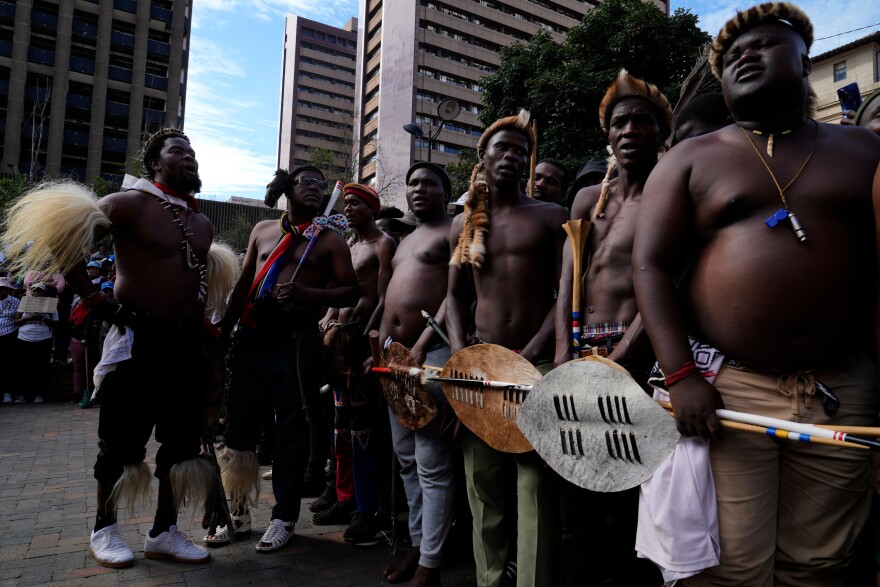
Against this backdrop of rising tensions, political leaders are engaging in various maneuvers. Geordin Hill-Lewis, the mayor of Cape Town, recently undertook a notable visit to the Zulu king, a move seen by many as an attempt to foster alliances or seek influence ahead of the June 30 march. This visit by Hill-Lewis shows the strategic positioning being adopted by political figures in the current climate. Separately, in a distinct political development, Hill-Lewis also formally requested that President Cyril Ramaphosa remove John Steenhuisen from his position as agriculture minister. These actions highlight the intricate and often fraught political landscape within South Africa, where domestic policy and inter-party relations are constantly evolving.
Zimbabwe's Governance Crisis
The unfolding situation in South Africa is inextricably linked to broader regional issues, particularly the governance crisis in neighboring Zimbabwe. Zimbabwe's President Emmerson Mnangagwa recently pushed a controversial constitutional amendment through parliament, designed to extend his presidential term. The amendment, which successfully passed through the legislative body, has drawn considerable scrutiny regarding its financing and broader implications for democratic principles. According to reports, prominent figures Wicknell Chivayo and Kudakwashe Tagwirei apparently bankrolled the votes necessary for the constitutional amendment's passage, raising serious questions about the integrity of the legislative process.
Further concerns surround Zimbabwe's financial structures, specifically its sovereign wealth fund. This fund, which controls all of Zimbabwe’s utilities and mineral wealth, reportedly operates without any public oversight, raising profound questions about transparency, accountability, and potential corruption. The lack of public scrutiny over such significant national assets fuels public distrust and exacerbates economic instability. These widespread issues of governance within Zimbabwe are widely cited as a direct cause for the significant displacement of its citizens. The staggering figure of 3-million Zimbabweans currently residing in South Africa is described as a direct result of Zimbabwe's ongoing misgovernance, noting the severe human cost of the country's political and economic challenges. The desperation driving this migration puts immense pressure on South Africa's resources and social fabric.
Broader Continental Implications
The unfolding situation in South Africa, marked by a planned march targeting foreigners, carries significant implications for the broader African continent, showing the interconnectedness of regional stability. Zimbabwe’s profound governance issues, specifically President Emmerson Mnangagwa's constitutional amendment to extend his term and the alarming lack of oversight on its sovereign wealth fund, are cited as direct causes for the displacement of 3 million Zimbabweans into South Africa. This substantial influx of people notes how domestic policies in one nation can ripple across borders, creating humanitarian and social challenges for its neighbors. The political maneuvering within South Africa, including Cape Town Mayor Geordin Hill-Lewis's strategic visit to the Zulu king and his formal request for President Cyril Ramaphosa to remove John Steenhuisen, reflects an internal struggle that resonates far beyond national borders, influencing regional dynamics and perceptions. The discussions by Rob Rose, Zukile Majova, and Patrick Smith on the Currency and Scrolla.Africa podcast, Sharp Sharp, show the widespread attention these events are receiving across the continent, as observers watch closely for how South Africa will navigate these complex challenges.