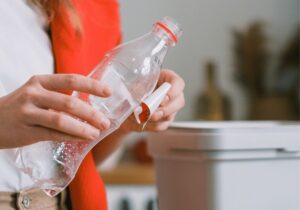
South Africa is exploring polyolefin shrink sleeves to enhance the recyclability of PET bottles, which are widely used in the food and beverage sector. These polyethylene terephthalate (PET) bottles are a ubiquitous packaging format across various consumer goods. However, problematic shrink sleeves made from materials like PET, PETG, and PVC can significantly disrupt existing PET bottle recycling processes. GreenCape, which serves as the Secretariat of the South African (SA) Plastics Pact, has emphasized that while PET bottles are a widely used packaging format, packaging not designed for recycling quickly becomes waste, posing environmental challenges.
The organization noted that materials functional for production and marketing can inadvertently disrupt recycling systems, making thoughtful material selection key for achieving a circular economy for plastics. GreenCape's initiative, Plastic Reboot – South Africa, actively collaborates with stakeholders across the plastics value chain to promote circular solutions specifically for the food and beverage sector. A primary focus of this initiative is on eliminating problematic plastics from packaging. A case study developed by GreenCape noted how early adopters of polyolefin shrink sleeves successfully improved the recyclability of PET beverage bottles, a progress that depended on close collaboration among value-chain role players. Shrink sleeves are distinctive in their design, functioning as a 360-degree, form-fitting label that fully wraps around bottles, often for branding and product information.
The Recycling Challenge
Shrink sleeves made from polyethylene terephthalate (PET), PETG (polyethylene terephthalate glycol-modified), or polyvinyl chloride (PVC) materials have been identified by the SA Plastics Pact as a priority problematic and unnecessary plastic item. These materials, while serving functional purposes for production and marketing, can significantly disrupt recycling systems. The SA Plastics Pact specifically notes that PET, PETG, and PVC shrink sleeves currently represent the largest share by weight still being placed on the market by Pact members among the 12 priority items outlined on their Phase 1 list of problematic plastics. This indicates the scale of the challenge these materials present within the recycling infrastructure.
A significant challenge arises because PET, PETG, and PVC sleeves are difficult to separate from PET bottles during standard recycling processes. This difficulty directly affects the efficiency and purity of recycled materials, often leading to contamination that degrades the quality of the recycled PET. Despite these hurdles, PET beverage bottles remain one of the most successfully recycled packaging formats in South Africa. In 2024, a notable 67% of these bottles were reportedly collected for recycling, demonstrating the existing strength of the PET recycling stream. The current focus on polyolefin shrink sleeves aims to further enhance this recycling success by directly addressing the issues posed by current sleeve materials, thereby improving the overall quality and quantity of recycled PET.
A Viable Solution Emerges
Plastic Reboot – South Africa is actively investigating how collaboration among various stakeholders throughout the plastics packaging value chain can improve PET bottle recyclability. This is being pursued through the adoption of floatable polyolefin shrink sleeves as a key redesign solution. Floatable polyolefin sleeves, which are produced from polyethylene (PE) and polypropylene (PP), have emerged as a viable near-term solution for addressing current recycling challenges. These polyolefin materials offer a distinct advantage during the recycling process: they can be effectively separated from PET bottles using standard float-sink processes. This separation is key for maintaining the purity of recycled PET flakes, which is essential for their re-entry into high-value applications. The Global Environment Facility (GEF) provided funding for this publication, showing the international recognition of the importance of such initiatives.
Industry Adopters Lead
GreenCape, in its role as Secretariat of the South African (SA) Plastics Pact, developed a full case study noting how early adopters of polyolefin shrink sleeves have successfully improved the recyclability of PET beverage bottles. The SA Plastics Pact is a voluntary initiative that plays a key role in bringing together businesses, government entities, and civil society organizations. Its overarching goal is to accelerate the transition to a circular plastics economy in South Africa. The Pact emphasizes the critical importance of thoughtful material selection for achieving this circularity. "Packaging can quickly become waste when it is not designed with recycling in mind. Materials that are functional for production and marketing can disrupt recycling systems," GreenCape stated, reiterating the core problem. This progress, according to the organization's findings, depended on close collaboration among all value-chain role players, from material suppliers to brand owners and recyclers. Demonstrating this commitment, Woolworths transitioned its first product line to polypropylene (PP) shrink sleeves in 2023, setting an important precedent. Additionally, SPUR Corporation made a significant move in 2024, transitioning from conventional shrink sleeves on its restaurant sauce bottles to more recyclable polyolefin material, further illustrating industry leadership in adopting these sustainable solutions.
Collaboration for Circularity
Plastic Reboot – South Africa actively collaborates with stakeholders across the entire plastics value chain to promote the uptake of circular solutions within the food and beverage sector. This collaborative approach is essential for systemic change. GreenCape produced the in-depth case study titled "Shrinking the Problem? Addressing Problematic PET, PETG and PVC Shrink Sleeves on Food and Beverage Bottles." This publication was developed as part of Component 3 (Private Sector Engagement) of the broader Plastic Reboot – South Africa initiative, showcasing the practical application of research and industry engagement. The SA Plastics Pact, as a voluntary initiative, continues to be a key platform that unites businesses, government, and civil society. Its collective efforts are focused on accelerating the transition to a circular plastics economy by addressing challenges posed by problematic shrink sleeve materials and promoting innovative, recyclable alternatives. Through such concerted efforts, South Africa aims to significantly improve its plastic recycling rates and reduce plastic waste.