South Africa has repatriated 2,745 foreign nationals in the week following President Cyril Ramaphosa's pledge for tougher action against illegal immigration, a significant escalation in the country's efforts to address its migration challenges. The expulsions occurred as the government reiterated its firm stance on migrant accommodation, emphasizing its long-standing policy. Officials stated unequivocally that South Africa does not operate refugee camps and has no intention of establishing them, a position that shows the country's existing policies regarding asylum seekers and migrants. This firm declaration from the government emphasizes a consistent approach to managing its migrant population, distinct from providing long-term shelter for asylum seekers within dedicated facilities. This wave of repatriations aligns with the government's declared commitment to addressing immigration challenges and enforcing its laws. The majority of individuals repatriated during this period were confirmed to have been in South Africa illegally, noting the focus of the government's enforcement actions against undocumented migrants.
Repatriation Efforts Underway
Home Affairs Minister Leon Schreiber reported the specific number of repatriations on Sunday, providing an update on the ongoing operations. "As of last night, the number we can report is 2,745 repatriations that have come in this period since the president spoke," Mr. Schreiber stated, directly referring to the recent expulsions that followed President Ramaphosa's commitment to stricter immigration enforcement. He further added that the total number of repatriations is "a moving target," indicating that these efforts are continuous and dynamic. This statement from the minister shows the fluid nature of the current situation and the government's sustained drive to manage its foreign national population, ensuring compliance with national immigration laws.
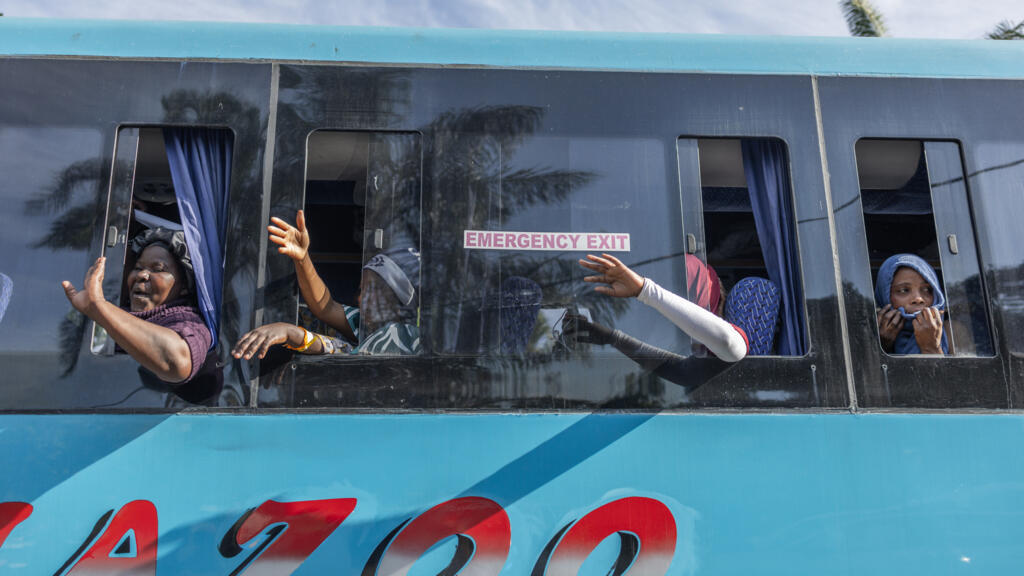
On Sunday alone, approximately 560 individuals, including about 200 children, embarked on the journey from South Africa as part of the repatriation process. This significant number shows the scale of the ongoing operations directed at managing the influx and presence of foreign nationals within the country. To accelerate the deportation process and manage the increasing volume of repatriations, South Africa has deployed 10 additional buses. These vehicles are specifically intended to increase the capacity for transporting foreign nationals efficiently and humanely to their home countries or border crossings, thereby streamlining the logistical challenges of large-scale repatriations. This logistical reinforcement demonstrates the government's commitment to expediting the process and ensuring an organized approach to these departures.
Citizens from several nations, including Nigeria, Malawi, Ghana, Zimbabwe, and Mozambique, have accepted offers of voluntary repatriation. The South African government has facilitated these returns, providing assistance as part of its broader immigration enforcement measures. This voluntary component indicates a multi-faceted approach to the issue, combining enforcement with facilitated departures for those who choose to return to their home countries. In a related development, eight buses commissioned by the Malawian government began moving its citizens on Sunday, further aiding in the organized return of foreign nationals. This concerted effort between South Africa and the home countries of the repatriated individuals aims to streamline the process and ensure the safe passage of their citizens.
Context of Growing Tensions
South Africa hosts more than three million foreign nationals, who collectively constitute 5.1 percent of the nation's total population. This demographic reality exists within a context of growing anti-immigrant sentiment, which has manifested in recent public demonstrations across the country. Mobs of South Africans, some visibly carrying sticks, whips, and shields, have marched through various parts of the country, expressing their dissatisfaction with the presence of undocumented foreign nationals. These groups have issued stark demands for foreigners lacking residency papers to depart by a specific deadline of June 30, reflecting the rising tensions and the increasing boldness of anti-immigrant movements.
The tensions have unfortunately escalated into violence in some areas, leading to tragic consequences. In Mossel Bay, a town located in the Western Cape province, two Mozambican nationals were killed following a march against illegal migrants on May 29. These incidents occur against a backdrop of significant economic challenges within South Africa. The country is grappling with a high unemployment rate that stands above 30 percent, a factor often cited in public discussions surrounding immigration and the perceived strain on national resources and job opportunities. This economic pressure is frequently linked to the heightened xenophobic sentiment observed in recent months, as some citizens blame foreign nationals for exacerbating economic hardships.
Voices of Those Leaving
Most individuals repatriated were confirmed to be in South Africa illegally, consistent with the government's stated focus on undocumented migrants. The repatriation efforts have seen significant cooperation from other nations. Eight buses commissioned by the Malawian government began transporting its citizens on Sunday, facilitating their return home. This organized movement aims to provide a structured departure for those wishing to leave, particularly those who have been in precarious situations. Prior to these movements, approximately 7,000 Malawian nationals had been sheltering in an open field in the eastern port city of Durban, noting the scale of the humanitarian aspect of the situation and the urgent need for organized repatriation. Mozambican authorities have reported the tragic death toll of Mozambican citizens to be five amid the recent unrest, showing the severe human cost of the escalating tensions and violence. This grim statistic from Mozambican authorities notes the profound impact of the anti-immigrant sentiment on individuals and families. The ongoing repatriations are a direct response to both the government's policy directives and the pressing social and economic conditions in the country, aiming to restore order and address the concerns of its citizens.