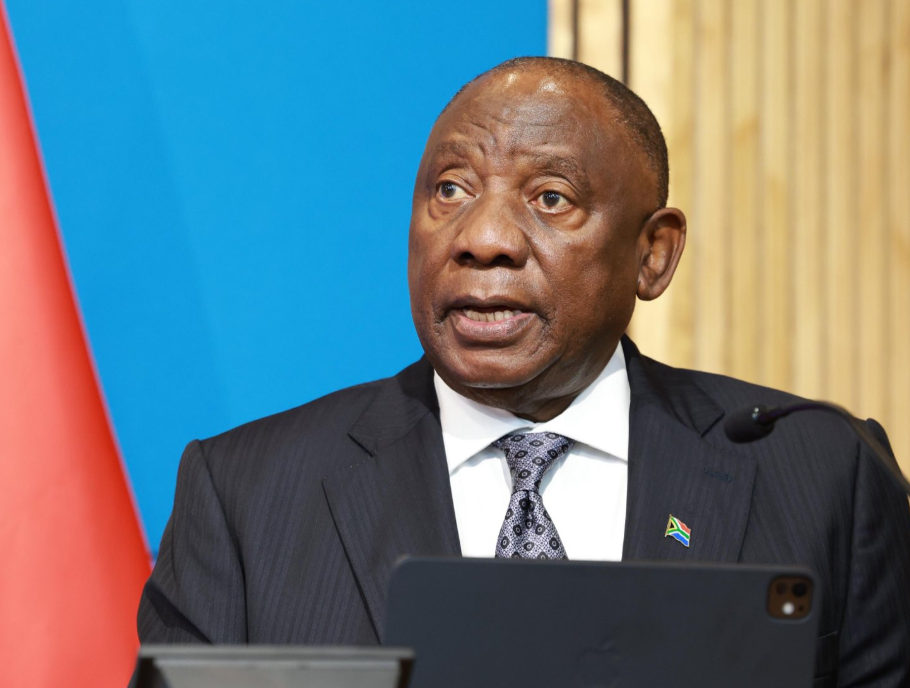
South African President Cyril Ramaphosa has officially declared Wednesday, November 4, 2026, a public holiday across the nation. This significant declaration, made by President Cyril Ramaphosa, coincides with the date set for the local government elections, ensuring that the democratic process is accessible to all eligible citizens. The Electoral Commission of South Africa (IEC) had previously confirmed that election day would be observed as a public holiday, a standard practice in the country for facilitating voter participation. This strategic move ensures that citizens will have the opportunity to cast their ballots without work-related conflicts, thereby encouraging a higher turnout at the polls. The designation of a public holiday removes potential barriers to voting, such as work commitments, allowing a broader segment of the population to engage in the electoral process.
Election Day Details
South Africans will head to the polls on Wednesday, November 4, 2026, for the local government elections. This date has been officially designated as a public holiday to facilitate widespread voter participation across all provinces. The decision to make this day a public holiday shows the government's commitment to upholding democratic principles and ensuring every citizen's right to vote is protected. Ahead of the main election day, provisions have been made for special votes, which can be cast earlier to accommodate specific groups of voters. Voters eligible for special ballots, including those with physical infirmities, disabilities, or who will be absent from their voting district on election day, will have the opportunity to cast them on Monday, November 2, 2026, and Tuesday, November 3, 2026. These arrangements aim to ensure that all eligible citizens, regardless of their circumstances, can exercise their democratic right to vote and contribute to the selection of their local representatives.
Rationale Behind Date Choice
The declaration of November 4, 2026, as a public holiday was formally made under the provisions of the Public Holidays Act, a legislative framework that governs such national observances. The election date itself was strategically selected to avoid the country's festive season, a period typically associated with widespread travel and reduced public engagement, aiming to maximize voter participation and minimize disruption to the national school calendar. This careful planning is key because many schools across South Africa serve as designated voting stations during elections. This dual use has historically raised concerns about the potential for electoral activities to interfere with final examinations schedules, particularly during critical assessment periods for students. The chosen date is specifically intended to mitigate such conflicts, allowing for both the smooth execution of the democratic process and the uninterrupted continuity of educational activities. By avoiding peak holiday periods and examination schedules, the government aims to create an optimal environment for both civic duty and academic progress.
Official Proclamation and Confirmation
Cooperative Governance and Traditional Affairs Minister Velenkosini Hlabisa formally proclaimed the election date in August. This proclamation initiated the official process for the upcoming local government elections, setting the stage for the subsequent public holiday declaration by President Ramaphosa. The Minister's announcement established the timeline for the electoral cycle, providing clarity to both election organizers and the public regarding the schedule of events leading up to election day. His office is responsible for overseeing local governance matters, including the administrative aspects of local elections, making his proclamation a foundational step. The declaration by Minister Hlabisa is a standard procedure in South Africa's electoral framework, ensuring that all legal requirements for holding elections are met and communicated transparently to all stakeholders. This key step is vital for the Electoral Commission of South Africa (IEC) to proceed with its operational planning, voter registration drives, and logistical arrangements leading up to the November 4, 2026, election day. The coordinated efforts between the Presidency and the Ministry of Cooperative Governance and Traditional Affairs highlight the thorough planning involved in national elections.