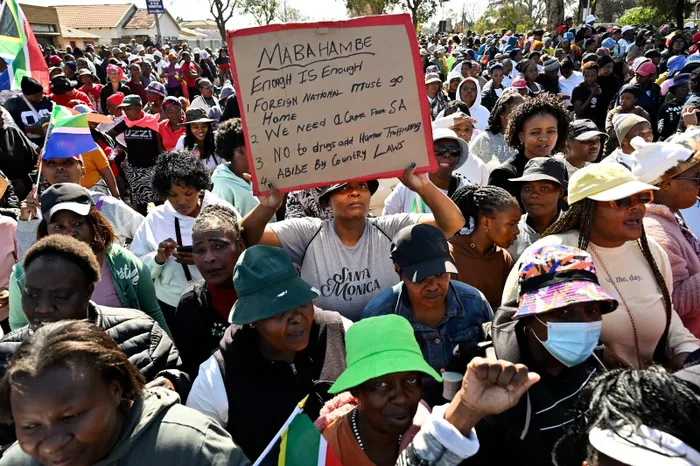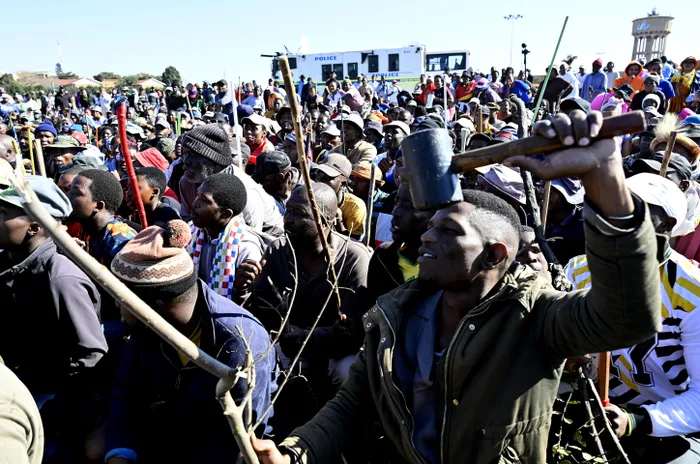
Nationwide anti-immigration protests are anticipated across South Africa on Tuesday, June 30, with demonstrations specifically targeting individuals deemed illegal immigrants. These coordinated actions are expected to draw significant participation and have prompted warnings from authorities regarding potential disruptions. Nkosikhona “Phakel’umthakathi” Ndabandaba, a key figure coordinating some of the demonstrations, stated that the march aims to raise concerns about illegal immigration and press for more strong government action. Ndabandaba remarked, "More than 10, 000 people were here with us, and nothing was destroyed...It did not take one year for the government to destroy the country. Therefore, we are not fools and know that we cannot win this war in just 18 months. What we want to do is to make sure that the government attends to these issues." The government reports it is better prepared for these planned demonstrations led by anti-immigrant groups, indicating a heightened state of readiness compared to previous events.
Planned Protests and Security Measures
The Johannesburg Metropolitan Police Department (JMPD) issued a warning regarding potential traffic disruptions and safety risks in key hotspots such as Hillbrow, Berea, and the Central Business District (CBD). The JMPD's advisory shows the potential for significant upheaval in the city's busiest areas. Significant traffic delays are anticipated across Johannesburg, specifically from 7 am to 4 pm, coinciding with the planned demonstrations. Commuters and residents are advised to plan their routes accordingly or seek alternative transportation during these hours.
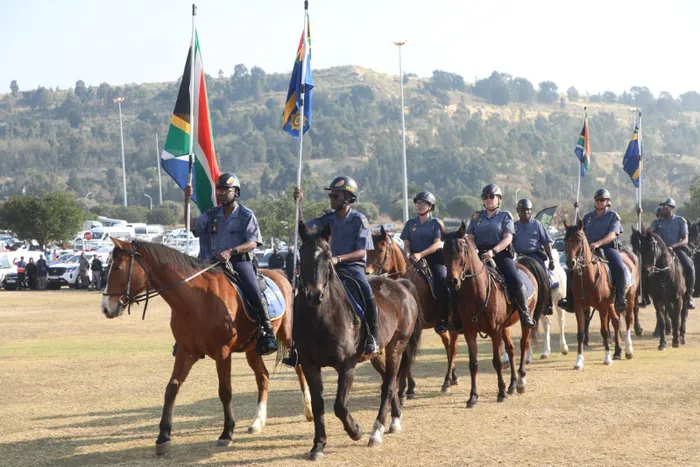
In Pretoria, organizers expect more than 10,000 participants to gather at Church Square for the city's primary protest. This large turnout is indicative of the widespread sentiment driving these demonstrations. The KwaZulu-Natal provincial government announced it will deploy a substantial contingent of law enforcement officials in response to the planned protests. This deployment includes personnel from the police, the army, and thousands of patrollers, aiming to maintain order and manage any potential incidents. The full security presence in KwaZulu-Natal notes the seriousness with which authorities are approaching the planned events, seeking to prevent any escalation of tensions or violence.
Context of Immigration Concerns
Concerns regarding immigration in South Africa have been showed by the strain on existing facilities and resources. In Cape Town, a refugee centre designed to accommodate 300 individuals is currently housing more than 2,000 Zimbabweans. This severe overcrowding exemplifies the pressures on resources and infrastructure as the country grapples with a significant number of foreign nationals seeking refuge or economic opportunities. The disparity between facility capacity and current occupancy levels notes some of the critical issues that form the backdrop to the planned nationwide anti-immigration protests. These conditions are frequently cited by protest organizers as evidence of the urgent need for government intervention. The presence of such large numbers of foreign nationals, particularly in urban centers, has fueled public debate and contributed to the current climate of discontent.
Lessons from Past Unrest
Three officially sanctioned marches are planned to unfold concurrently in the Johannesburg Inner City, Hillbrow, and Midrand (Glen Austin) areas, allowing for multiple points of expression for the protesters. These events are part of a broader series of demonstrations that have been building momentum. Potential hotspot areas for protests in Gauteng include Park Station, Bree and Noord Taxi ranks, as well as regions such as Soweto, Tembisa, Alexandra, and Katlehong. These locations have been identified as sites where significant activity could occur, based on their historical roles in community mobilizations and their dense populations. Authorities are mindful of past civil disturbances in the country, particularly the devastating July 2021 riots. These riots claimed 350 lives and caused damage estimated at R50 billion, providing a stark reminder of the potential for unrest to escalate rapidly and have severe consequences. The memory of these events undoubtedly influences the government's preparedness and the deployment of extensive security forces for the upcoming protests.