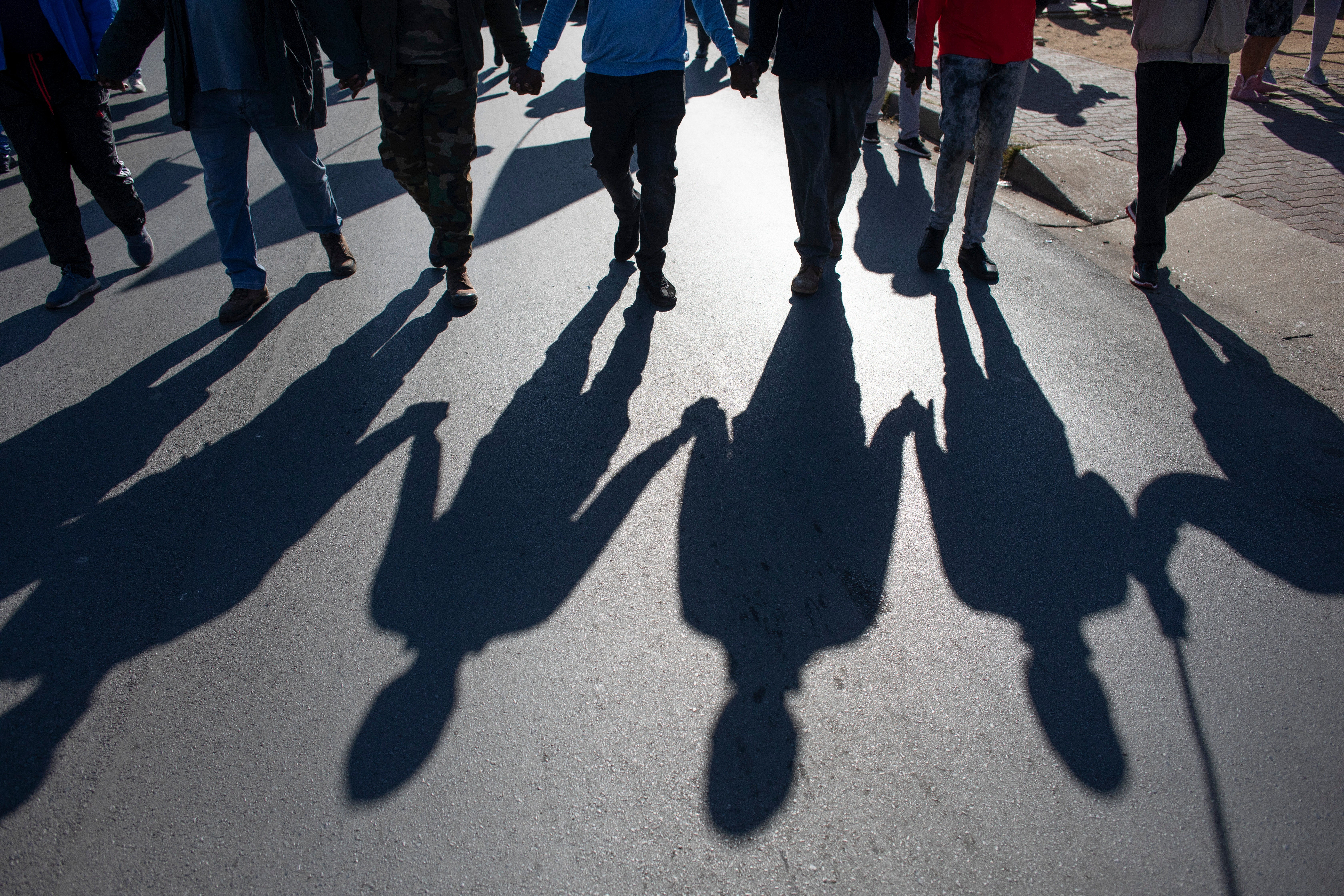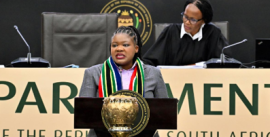
South Africa is observing Youth Month in June, with government initiatives focusing on youth employment. The country is commemorating Youth Month in June, a period dedicated to recognizing the contributions of young people and addressing the challenges they face. Nonceba Mhlauli, the Deputy Minister in the Presidency, recently voiced her support for the Presidency Budget Vote presented by President Cyril Ramaphosa. Ms. Mhlauli spoke in support of the Presidency Budget Vote tabled by President Cyril Ramaphosa, showing the government's commitment to youth development. The Presidential Youth Employment Intervention (PYEI) has facilitated over 2.36 million earning opportunities for young people since its inception, according to government figures. The PYEI, which was launched in 2020, aims to address high youth unemployment rates through various programs and partnerships. This full intervention was established to create a strong ecosystem for youth employment and skills development across the nation.
Key Youth Employment Initiatives
The Presidential Youth Employment Intervention (PYEI) facilitated 294,530 new earning opportunities in the third quarter of 2025/26, demonstrating its ongoing impact. This significant number notes the intervention's success in connecting young South Africans with vital economic prospects. The SA Youth platform, a central component of the PYEI, has seen more than 5.77 million young people register, indicating widespread engagement and demand for employment support. This platform serves as a key bridge between young job seekers and available opportunities. Over 70% of the opportunities accessed through SA Youth have been taken up by young women, showcasing the initiative's effectiveness in empowering this demographic. This focus on young women helps address historical inequalities and promotes gender inclusivity in the workforce.
Another initiative, the Jobs Boost Outcomes Fund, enrolled over 9,170 young people and placed more than 7,200 into employment during the same quarter. This fund is designed to incentivize outcomes-based employment solutions, ensuring tangible results for participants. The Revitalised National Youth Service has placed 132,784 young people in paid service opportunities to date, offering valuable work experience and community engagement. These service opportunities are key for developing practical skills and fostering civic responsibility among the youth.
The Youth Employment Service (YES), a private sector initiative, has created over 228,000 youth jobs. This program exemplifies successful collaboration between the government and private enterprises to tackle unemployment. The YES program reports an absorption rate of 60% into fulltime employment for participants after completing the program, indicating its effectiveness in securing long-term career paths. Additionally, 17% of YES alumni have started their own businesses with the support provided by the initiative, fostering entrepreneurship and economic independence. The support for new ventures helps stimulate local economies and creates further employment opportunities.
Broader Socio-Economic Context
South Africa has seen improvements in several socio-economic indicators over the past two decades, reflecting broader national development efforts. The country's total life expectancy at birth increased from 55.2% in 2002 to nearly 67% in 2025, a significant public health achievement. This improvement reflects advancements in healthcare access and living conditions. Housing conditions have also advanced, with 84% of households now residing in formal dwellings, and more than half of all households owning their homes. This progress in housing provides greater stability and security for numerous families across the country.
Access to essential services has expanded significantly, contributing to an improved quality of life for many citizens. Approximately 94.9% of South Africa's households have access to electricity, facilitating modern living and economic activity. Regarding water infrastructure, 87.4% of South African households have access to piped water. This represents a gain for 8.1 million more households that have acquired piped water since 2002, marking a substantial increase in basic service provision. These advancements in infrastructure are foundational to sustainable development and public well-being.
Educational attainment and participation have also shown progress, noting investments in human capital development. School participation reaches 96.6% by age 15, indicating high enrollment rates in early education and a commitment to foundational learning. 52.9% of South African adults now possess at least a Grade 12 qualification, reflecting an increase in secondary education completion across the adult population. This rise in educational attainment is vital for a skilled workforce and national competitiveness.
Government's Commitment and Vision
Deputy Minister in the Presidency Nonceba Mhlauli stated that young people represent 59% of South Africa's total population, making their employment and development a national priority. Ms. Mhlauli emphasized, "South Africans are …asking for work that can be seen, felt and trusted. Essentially, South Africans want a government that works for all, especially its young people who constitute 59% of the country’s total population." The government launched the Presidential Youth Employment Intervention (PYEI) in 2020 to address these challenges head-on, providing a structured approach to youth unemployment.
Currently, an additional 100,000 opportunities are available on SA Youth.Mobi, aiming to increase access for young people and further expand the reach of the intervention. Ms. Mhlauli further noted the historical resilience of the youth, stating, "The youth of this country have for the past 50 years since June 16 1976, and beyond; demonstrated that they do not lack ideas, talent, and courage to stand up for their future. What they lack is access." This statement shows the government's recognition of the potential within its young population, coupled with the systemic barriers they often face. In 2024, public institutions of higher learning recorded an enrollment of 1.9 million students, reflecting a significant engagement in post-secondary education and a strong desire for advanced skills and knowledge among the youth. This high enrollment figure notes the ongoing demand for education as a pathway to future opportunities.