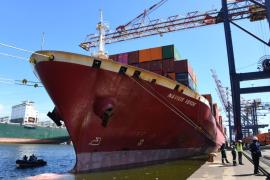
South Africa recorded a preliminary trade surplus of R15.2 billion in April 2026, driven by an increase in export flows. Exports for the month totaled R190.6 billion, while imports stood at R175.4 billion. This strong performance contributed to a year-to-date preliminary trade surplus of R89.3 billion for the period from January 1 to April 30, 2026. The substantial surplus for April reflects a positive trend in the nation's trade balance. Export flows for April 2026 increased significantly by 14.8% year-on-year, rising from R165.9 billion in April 2025 to R190.6 billion in April 2026. This notable year-on-year growth shows the increasing demand for South African goods on the international market.
Export Growth Drivers
Agricultural exports contributed significantly to the overall increase, rising by 11% during the first quarter of 2026. This sector's strong performance has been a key component of the nation's export strategy. New data released by Agbiz indicated that agricultural exports reached US$3.7 billion in the first three months of 2026 when compared with the same period in 2025, noting the sector's expanding global reach and value. South Africa's total exports increased by R3.4 billion, or 1.8%, between March and April 2026. This growth in agricultural commodities played a vital role in the nation's overall export performance, diversifying the country's export basket beyond traditional mining products. The South African Revenue Service (SARS) stated that overall export growth in April was primarily driven by increased exports of gold, platinum group metals (PGMs), and petroleum oils, excluding crude. These commodities continue to be significant contributors to the country's export revenue, reflecting strong global demand for precious metals and energy resources.
Trade Balance Comparison
South Africa's year-to-date preliminary trade surplus of R89.3 billion for the period from January 1 to April 30, 2026, marks a substantial increase when compared to the same period in the previous year. This figure demonstrates a significant improvement in the country's economic standing relative to its trade partners. For the equivalent timeframe in 2025, the country recorded a year-to-date trade surplus of R39.8 billion. This indicates a significant expansion in the trade balance over the past year, nearly doubling the surplus achieved in the prior period. The sustained growth in exports during this period has been a critical factor in this positive shift.
Additionally, the preliminary trade surplus reported for March 2026 underwent a downward revision. Initially, the surplus was higher, but it was subsequently adjusted by R1.7 billion. This revision resulted in a final trade surplus of R30.2 billion for March 2026. This adjustment reflects the ongoing process of refining trade data as more full information becomes available, ensuring accuracy in reported figures. Such revisions are standard practice in economic data reporting to incorporate the latest available information.
Challenges and Outlook
While exports saw gains, imports also rose by R18.5 billion, an 11.8% increase, between March and April 2026. This increase in imports suggests growing domestic demand or the need for intermediate goods to support local industries.
Despite export growth, logistical inefficiencies continued to pose challenges for exporters, according to John Steenhuisen. These issues can hinder the timely delivery of goods and impact the competitiveness of South African products in international markets. Operational delays and congestion during the peak table grape season at the Port of Cape Town led to cargo rerouting and financial losses for businesses. Such disruptions show the need for improved infrastructure and operational efficiency at key export hubs to support sustained trade growth.
In positive trade developments, the Stone Fruit Protocol with China was successfully concluded, encompassing peaches, nectarines, plums, apricots, and prunes. This agreement is expected to open significant new market opportunities for South African fruit exporters. Additionally, fresh apple exports to Thailand were reopened, subject to strict phytosanitary conditions. These developments signify ongoing efforts to expand market access and strengthen trade relationships with key Asian economies, contributing to a more diversified export portfolio for South Africa.