South Africa has accused Israel of breaking legally binding orders issued by the International Court of Justice (ICJ) intended to protect Palestinians in Gaza. This serious allegation was formalized earlier this week when Pretoria submitted a full dossier of evidence to the court. The South African government presented its evidence to a dedicated committee of judges responsible for monitoring the court’s provisional measures, emphasizing the gravity of the situation. Pretoria stated that the court’s orders are binding on Israel, showing the international community's obligation "to take all necessary action to prevent and punish genocide." South Africa further asserted that the provisional measures were not only intended "to protect the rights of the Palestinian people under the Genocide Convention," but also to safeguard "the administration of justice and the legitimacy of the ICJ itself" by preventing the destruction of rights before a final decision. This move by South Africa notes its ongoing commitment to holding parties accountable under international law and its persistent efforts to address the humanitarian crisis in Gaza.
Binding Court Orders Ignored
South Africa asserted that Israel's refusal to comply with the International Court of Justice's (ICJ) provisional measures "undermines their protective function and entails further destruction of the Palestinian group." This refusal, according to Pretoria, directly contravenes the very purpose of the court's orders, which are designed to prevent irreparable harm while a case is being heard. Pretoria reiterated that the Court’s orders are binding on Israel, emphasizing that the international community has an obligation "to take all necessary action to prevent and punish genocide." This obligation extends to ensuring that the court's directives are respected and implemented by all member states. South Africa stated that the Provisional Measures were not only ordered "to protect the rights of the Palestinian people under the Genocide Convention," but also to safeguard "the administration of justice and the legitimacy of the ICJ itself, by ensuring that the rights the Court is called upon to vindicate are not destroyed before it renders its final decision." The integrity of the international legal system, South Africa argued, depends on the enforcement of such critical interim rulings.
The provisional measures issued by the ICJ also mandated that Israel submit formal reports to the court, detailing the steps it has taken to comply with these orders. This reporting mechanism is a standard procedure designed to allow the court to monitor adherence to its directives. Israel subsequently submitted these reports in February 2024, providing its account of actions taken in response to the court's initial orders. According to Article 11 of the ICJ’s Internal Judicial Practice, a dedicated committee is tasked with examining the information supplied by the parties involved. This committee meticulously reviews the submissions, scrutinizing the details to ascertain the extent of compliance. Following its examination, the committee then recommends potential options to the broader court for consideration, which could include further actions or declarations regarding compliance. South Africa made history in December 2023 by becoming the first country to formally file a genocide case against Israel at the International Court of Justice, a significant legal step that initiated the current proceedings and provisional measures. This initial filing set in motion a complex legal process that has drawn global attention to the conflict and the application of international law.
Devastating Impact on Palestinians
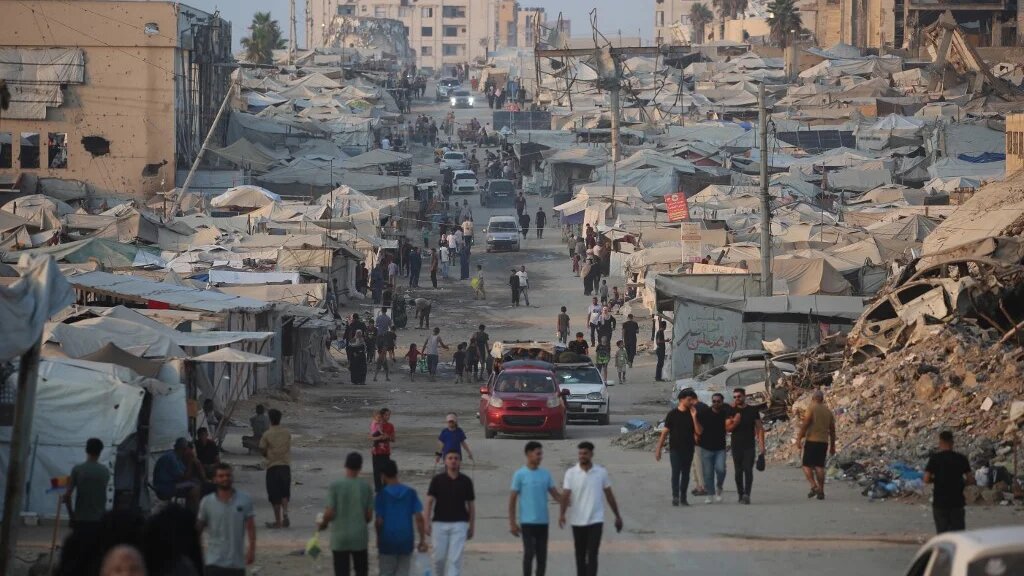
The human toll of the conflict has been severe, with staggering casualty figures reflecting the widespread violence. As of August 2026, at least 73,407 Palestinians have been killed and 174,335 others wounded since October 7, 2023. These figures represent more than 10 percent of Gaza’s entire population, indicating a widespread and devastating impact on the civilian populace. Such a high percentage of casualties shows the extensive scale of violence and its profound consequences for residents in the affected areas, affecting nearly every family and community. The sheer number of fatalities and injuries points to a crisis of immense proportions, demanding urgent international attention and intervention.
Beyond immediate fatalities and injuries, a significant portion of the population is grappling with long-term health challenges that will persist for years, if not decades. An estimated 46,000 Palestinians, including children, are living with severe conflict-related conditions. These conditions encompass serious injuries such as amputations, traumatic brain injuries, and spinal cord injuries, suggesting a lasting health crisis that will require extensive medical care, rehabilitation, and psychosocial support. The widespread nature of these injuries points to the harsh realities faced by survivors, many of whom will require specialized care that is often unavailable or inaccessible within the conflict-ridden region. The long-term medical and social infrastructure implications are immense, posing significant challenges for recovery and reconstruction efforts.
Despite an announced ceasefire, the Israeli military has continued to cause fatalities among the youngest population, raising serious concerns about the safety of non-combatants. An average of one Palestinian child has been killed every day since the ceasefire was declared. This ongoing loss of life among children shows the persistent dangers faced by civilians, even during periods intended for de-escalation and humanitarian relief. The continuous daily casualties among children reflect the ongoing vulnerability of non-combatants in the region, noting the urgent need for more effective protection mechanisms. The psychological impact on surviving children and the broader community from this continued violence is profound and broad.
The severe conditions in Gaza have also led to a significant increase in adverse health outcomes for women, particularly impacting reproductive health. Palestinian miscarriage rates have risen more than three-fold in 2026, a surge directly attributed to the combined effects of trauma, stress, malnutrition, and challenging living conditions. This alarming increase in miscarriages indicates a broader public health crisis impacting reproductive health and the well-being of expectant mothers, who face immense physical and emotional strain. The difficult environment, characterized by displacement, lack of access to proper medical care, and constant fear, is contributing to heightened risks for pregnant women and their unborn children. This trend points to a systemic breakdown of health services and a dire humanitarian situation that disproportionately affects vulnerable populations.
International Obligations and Past Actions
Pretoria stated that Israel has refused to comply with three separate provisional measure orders issued by the International Court of Justice (ICJ). This non-compliance, according to South Africa, represents a serious breach of international law and undermines the authority of the world's highest court. The three provisional orders issued by the ICJ against Israel in 2024 include specific directives: the prevention of genocidal acts and incitement, ceasing military operations in Rafah, and providing immediate access for Palestinians to humanitarian assistance and basic services in the Gaza Strip. Each of these orders addresses critical aspects of the conflict, aiming to mitigate harm and ensure the protection of civilian lives. South Africa emphasized that the international community has an obligation to protect the Palestinian people from genocide, including "to take all necessary action to prevent and punish genocide." This obligation is rooted in the Genocide Convention, to which many nations are signatories, and reflects a collective responsibility to prevent mass atrocities. According to South Africa, "The Court’s orders are binding on Israel, and the international community also has an obligation to protect the Palestinian people from genocide, including to take all necessary action to prevent and punish genocide." This statement reiterates the dual responsibility of Israel to comply with the orders and of the international community to ensure their enforcement.
Pretoria previously submitted extensive public dossiers of evidence to the United Nations Security Council in May 2024, February 2025, and September 2025. These submissions provided detailed accounts and evidence of alleged violations, aiming to prompt action from the UN's primary body responsible for maintaining international peace and security. South Africa asserted that the Provisional Measures were not only ordered "to protect the rights of the Palestinian people under the Genocide Convention," but also to safeguard "the administration of justice and the legitimacy of the ICJ itself, by ensuring that the rights the Court is called upon to vindicate are not destroyed before it renders its final decision." This emphasizes the broader implications of compliance, extending beyond the immediate humanitarian concerns to the foundational principles of international justice. Similar dossiers focusing on the deliberate use of starvation as a weapon of war were submitted to the UN General Assembly and the UN Economic and Social Council in October 2025. These repeated submissions to various UN bodies show South Africa's persistent diplomatic and legal campaign to address the situation in Gaza and ensure accountability under international law.