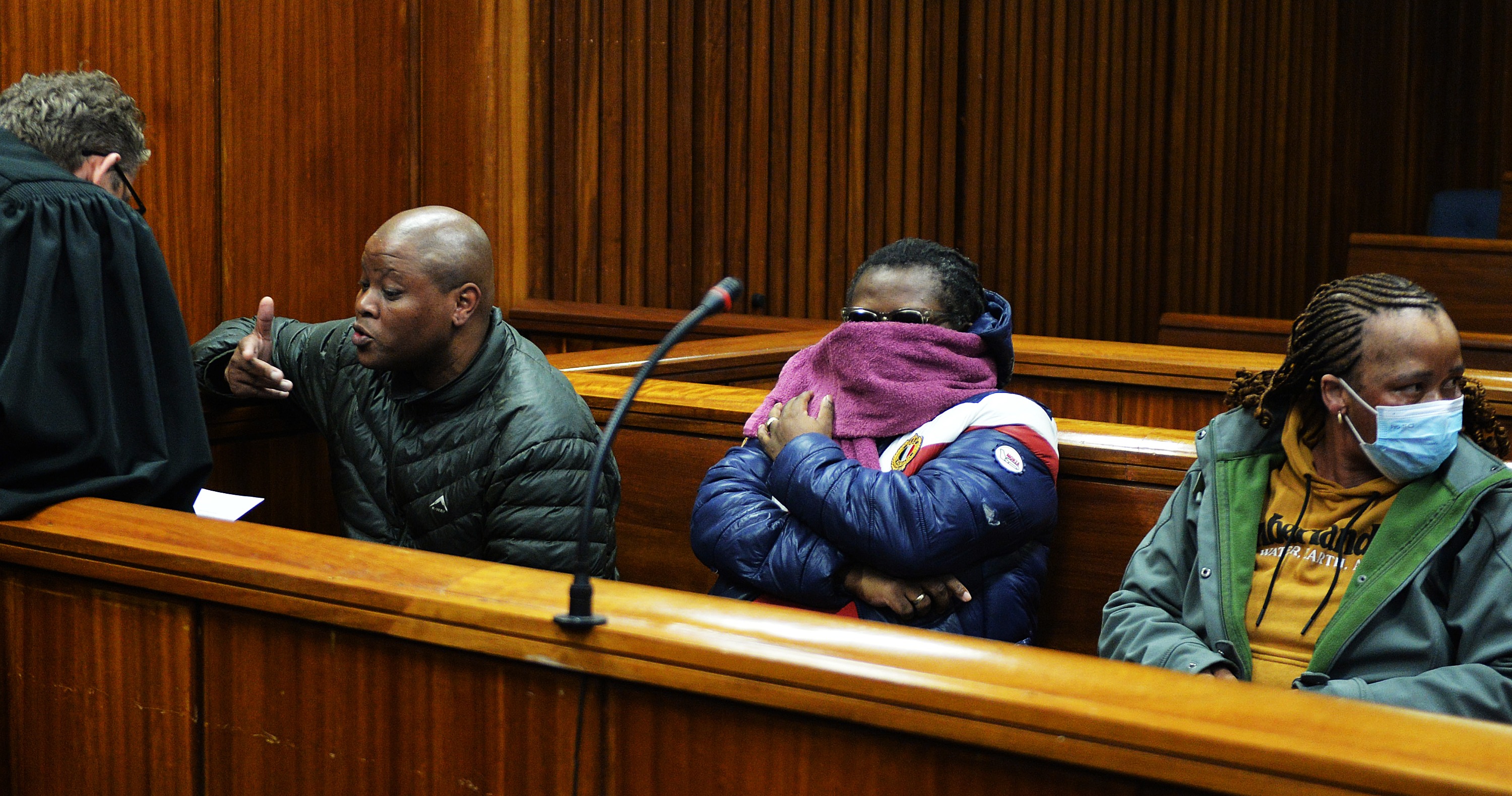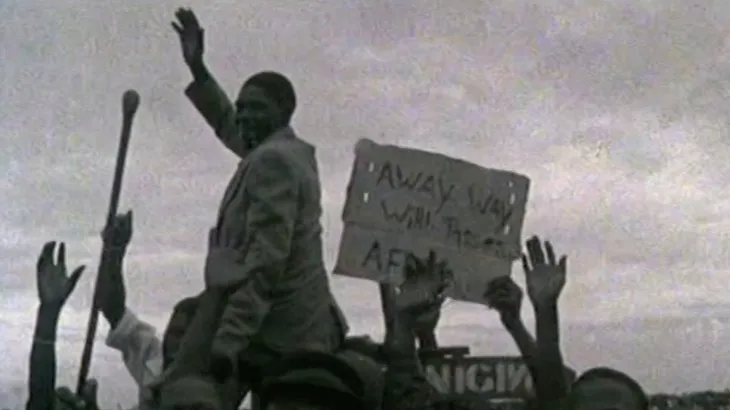
Victims of the Sharpeville massacre are pursuing legal action against the South African government over its alleged failure to provide compensation, according to reports. The lawsuit centers on claims that the government has obstructed efforts to secure reparations for those affected by the 1960 incident. The Sharpeville massacre, a key event in South Africa's history, took place in 1960 when police opened fire on a crowd of unarmed Black protesters demonstrating against apartheid-era pass laws. This significant legal challenge notes the enduring struggle for justice for those impacted by the historical tragedy. Legal representatives for the victims assert that despite previous recognition of the need for redress, concrete compensation has not been adequately delivered, leading to the current judicial challenge. The victims of the 1960 Sharpeville massacre are specifically seeking to hold the state accountable for its obligations.
Legal Challenge Unveiled
Victims of the 1960 Sharpeville massacre initiated legal proceedings against the South African government, according to recent developments. The lawsuit represents a significant step in the ongoing quest for reparations following the historic event. This legal action targets the government's perceived failure to deliver on compensation pledges made to those affected by the massacre. The plaintiffs seek to compel the state to fulfill its obligations regarding redress for the suffering endured. A central aim of the lawsuit is to overturn a 65-year-old law that is currently blocking victims from receiving compensation. This development shows the persistent challenges faced by victims in securing justice and financial restitution decades after the incident. The South African government now faces a formal judicial challenge concerning its handling of compensation for the Sharpeville massacre victims. The legal proceedings aim to dismantle a long-standing legislative barrier that has prevented many from receiving the reparations they believe they are owed.
Historical Significance of Sharpeville
The Sharpeville massacre stands as one of the most defining moments of the anti-apartheid struggle, according to historical accounts. On March 21, 1960, police opened fire on a crowd of unarmed Black South Africans protesting the discriminatory pass laws in Sharpeville, a township near Vereeniging. The incident resulted in the deaths of 69 people and injuries to hundreds more, drawing international condemnation and galvanizing global opposition to South Africa's apartheid regime. The massacre prompted widespread protests and strikes across South Africa, leading the government to declare a state of emergency and ban the African National Congress (ANC) and the Pan Africanist Congress (PAC). The event remains a potent symbol of state violence and resistance in the fight against racial segregation and oppression in South Africa. Its profound impact reverberated both domestically and internationally, shaping the trajectory of the anti-apartheid movement. The memory of the 1960 massacre continues to inform contemporary discussions about justice and accountability in the nation.
Government's Stance and Future
The legal action initiated by the Sharpeville massacre victims seeks to challenge a 65-year-old law that currently prevents them from receiving compensation. This legal maneuver aims to dismantle the legislative barrier that has, for decades, reportedly blocked redress for those affected by the 1960 incident. The lawsuit specifically targets this long-standing legislation, arguing that it unjustly denies victims their right to reparations. The outcome of the lawsuit could set a precedent for similar historical claims in South Africa, potentially re-evaluating the state's responsibility in delivering reparations for past injustices. The government has not yet issued a detailed public response to the specific legal challenge regarding the 65-year-old law. Further developments are anticipated as the case proceeds through the South African legal system, determining the path forward for victims seeking financial restitution. The focus on overturning the 65-year-old law notes a critical hurdle in the ongoing pursuit of justice for the victims of one of South Africa's most tragic historical events.