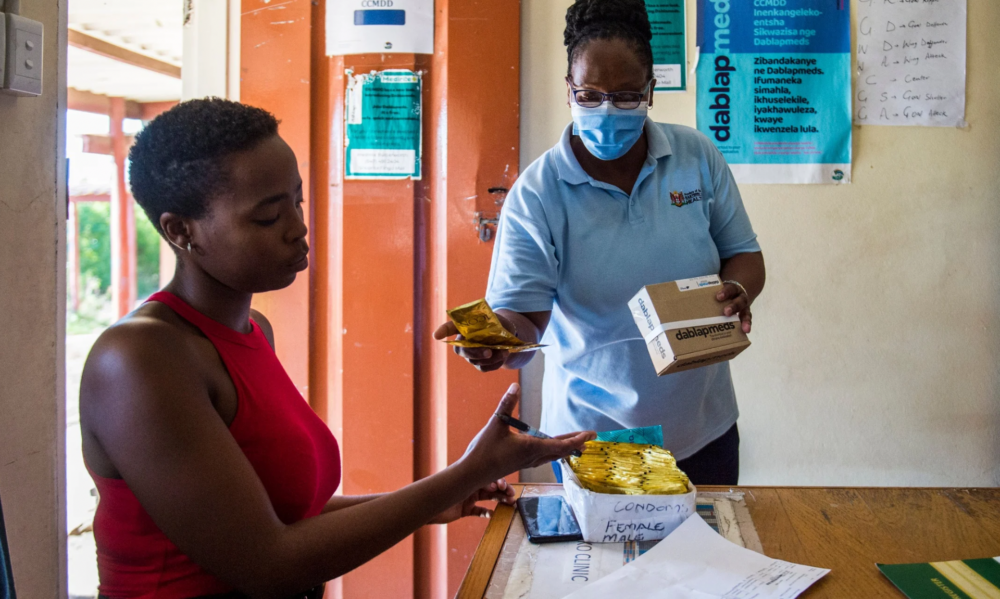
South Africa faces some of the world's highest rates of sexually transmitted infections (STIs), with adolescent girls and young women disproportionately affected compared to older women, boys, and men of the same age. This demographic disparity notes a critical public health challenge, as young women are more likely to contract STIs than their male counterparts or older women. Despite this alarming prevalence, more than half of the girls and young women surveyed indicated they would seek care at a clinic or hospital if they suspected an infection. This willingness, however, often clashes with significant barriers that ultimately deter them from accessing necessary medical attention.
The Weight of Stigma
Many girls surveyed in South Africa reported experiencing at least one symptom indicative of either a sexually transmitted infection (STI) or a vaginal infection, such as thrush (candidiasis) or bacterial vaginosis (BV), within the previous year. This widespread experience of symptoms shows the urgent need for accessible and non-judgmental healthcare services. A study published in the International Journal of Sexual Health noted that shame, embarrassment, and a general misunderstanding significantly influence how young women perceive and manage STIs and other related infections. These emotional and cognitive burdens contribute substantially to delays in seeking medical attention, often leading to more severe health outcomes.
The societal context further complicates this issue. In detailed interviews conducted for the study, 68 young women indicated a level of trust with family members sufficient to disclose their symptoms. However, these key conversations were frequently constrained by feelings of embarrassment or by the moral judgment they anticipated or, in many cases, received from their relatives. This dynamic reveals a deeply ingrained cultural hesitancy to discuss sexual health openly, even within trusted family circles. The study suggests that while some channels for disclosure exist, they are often insufficient to overcome the deep-seated societal and personal barriers to seeking formal healthcare for reproductive health issues. The findings show the complex interplay of personal feelings, family dynamics, and broader societal norms that shape healthcare-seeking behaviors among young women in South Africa, creating a widespread culture of silence around these critical health matters.
Barriers to Care
The scale of the problem is immense. A 2022 study estimated that one in four women in South Africa have a curable, bacterial sexually transmitted infection (STI). This statistic alone paints a stark picture of the widespread nature of these infections across the female population. Despite this prevalence, a quarter of the girls and young women surveyed chose not to answer questions regarding STI symptoms, indicating a profound reluctance to disclose personal health information. This silence is a significant hurdle for public health efforts, as it prevents accurate data collection and effective intervention strategies. Among those who did respond to the survey, genital itching was the most frequently reported symptom, with approximately two out of 10 participants stating they had experienced it in the past year. This common symptom, while often indicative of an infection, frequently goes unaddressed due to the aforementioned barriers.
Age also plays a critical role in healthcare-seeking behavior, adding another layer of complexity to the issue. Girls under 18 years old showed less inclination to attend a clinic compared to older girls; only one in three individuals under 18 reported that they would seek care at a health facility. This trend suggests that younger adolescents face even greater challenges in accessing healthcare, possibly due to concerns about parental consent, lack of independence, or heightened feelings of embarrassment. Information about STIs is primarily disseminated through educational institutions, with participants most commonly citing school, particularly life orientation classes, as their primary source of knowledge. While schools serve as a vital source of information, the effectiveness of this education in translating into health-seeking actions is clearly hampered by the widespread stigma and practical barriers.
Broader Health Implications
The impact of these challenges extends far beyond individual discomfort. Fewer than one in five of the girls surveyed reported ever receiving an STI diagnosis, such as for chlamydia, gonorrhoea, or syphilis, from a health professional. This remarkably low diagnosis rate exists despite the key fact that most STIs are asymptomatic in women, meaning infections often go undetected without specific testing. The absence of noticeable symptoms, combined with the reluctance to seek care, creates a hidden epidemic that can have severe long-term consequences, including infertility, chronic pain, and increased susceptibility to other infections.
The implications extend to broader public health, particularly concerning the fight against HIV. Studies reveal that more than a quarter of individuals using HIV prevention medication, such as pre-exposure prophylaxis (PrEP), also test positive for an STI. This co-occurrence is highly significant because having an STI increases an individual's chances of acquiring HIV through sexual contact. The inflammation and lesions caused by STIs can create easier entry points for the HIV virus, making STI prevention and treatment an integral part of full HIV prevention strategies. Despite these high rates and the clear, well-established link to HIV transmission, STIs frequently remain critically under-addressed within public health agendas. This oversight represents a missed opportunity to significantly impact both STI prevalence and HIV incidence, leaving adolescent girls and young women in South Africa particularly vulnerable to ongoing health crises. Addressing these systemic issues requires a multi-faceted approach that tackles stigma, improves access to youth-friendly services, and integrates STI care more effectively into broader sexual and reproductive health programs.