Heavy rain, hail, and strong winds, triggered by a cut-off low-pressure system, have impacted multiple road networks and human settlements across parts of KwaZulu-Natal. The severe weather conditions have caused significant disruption in the region, leading to widespread challenges across the province's infrastructure. The South African Weather Service (SAWS) reported that severe thunderstorm activity remained active across various areas of KwaZulu-Natal, including eThekwini. This advisory from SAWS showed the persistent nature of the weather threat. The intense meteorological event brought with it a combination of extreme elements, including significant rainfall, hailstones, and powerful gusts of wind, affecting both urban and rural areas.
Storm Impacts and Warnings
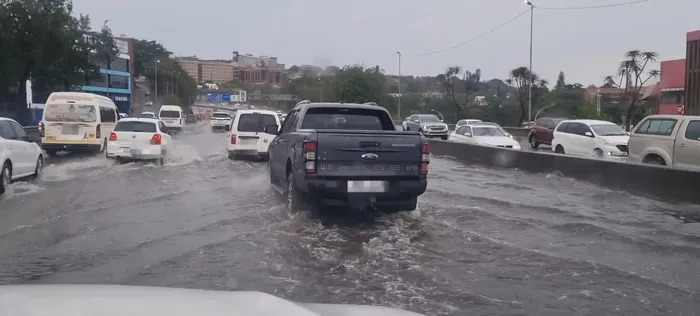
Localised flooding disrupted traffic on the N3 Eastbound before the Tollgate Bridge, following intense downpours in KwaZulu-Natal. The high water levels on the freeway necessitated the closure of three lanes to vehicles. This closure was a direct consequence of the heavy rainfall, which rapidly accumulated on the highway, rendering portions of it impassable. The closures impacted a significant portion of the highway, causing considerable delays and re-routing for motorists in the affected area. Emergency services were promptly deployed to manage the situation and assist stranded commuters. Authorities have advised commuters to exercise caution and seek alternative routes where possible, as emergency services monitor the situation and work to clear the affected sections. The severe weather conditions have led to widespread challenges across the region's infrastructure, affecting daily commutes and public safety. Further reports indicated that several other major arterial routes also experienced temporary closures or significant slowdowns due to debris or standing water.
Context and Timing
The severe weather coincided with Tuesday, September 15, 2026, a date identified as payday. This alignment was expected to significantly increase both traffic volumes and general public movement across KwaZulu-Natal. The combination of heightened activity and adverse weather conditions presented additional challenges for residents and emergency services navigating the disruptions. Authorities had anticipated a surge in road users, making the storm's timing particularly impactful on daily routines and transportation networks within the province. The increased number of vehicles on the roads, coupled with pedestrians making their way to and from financial institutions and shopping centres, exacerbated the potential for accidents and congestion. This unfortunate timing meant that a larger segment of the population was directly exposed to the hazardous conditions, complicating rescue and recovery efforts.
Official Advice and Reactions
KwaZulu-Natal MEC for Transport and Human Settlements Siboniso Duma stated that severe thunderstorms, accompanied by hail, rain, and strong winds, had already impacted various areas within eThekwini Municipality. Duma's remarks followed reports of widespread weather events across the region, noting the extensive nature of the damage and disruption. Officials indicated that further heavy downpours, frequent lightning, damaging winds, and localised flooding remained possible throughout the remainder of Tuesday. The eThekwini Municipality issued public advice regarding the ongoing weather conditions. In a statement, the municipality encouraged residents to "stay indoors until conditions stabilise" where possible. This guidance was issued as a precautionary measure amid the continuing severe weather warnings for the area, aiming to minimise risks to public safety. The municipality continues to monitor the situation and provide updates to the public as conditions evolve across the affected parts of KwaZulu-Natal, urging residents to stay informed through official channels. Local disaster management teams are on high alert, coordinating responses and assessing the full extent of the storm's impact.