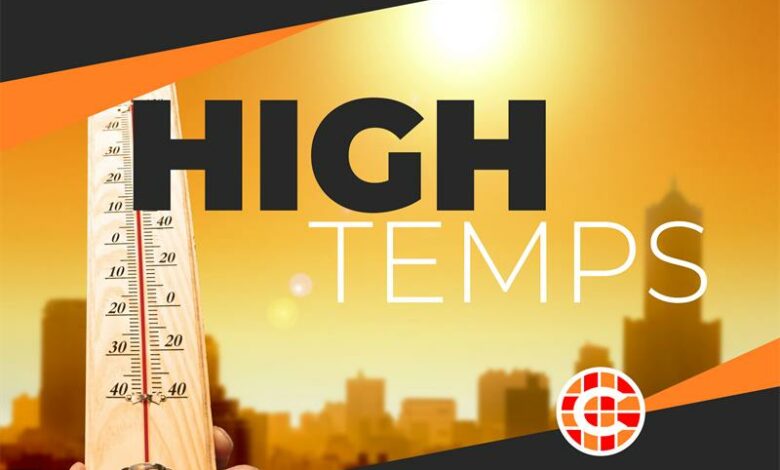
South Africa is expected to face below-normal rainfall and above-normal temperatures this spring, according to a warning issued by the South African Weather Service (SAWS). The forecast indicates a looming period of drought and heatwaves, coinciding with the development of a strong El Niño phenomenon in the Pacific Ocean. This projection suggests that South Africa is likely to experience below-normal rainfall and above-normal temperatures this spring, demanding proactive measures from various sectors.
SAWS analysis further suggests that the southern African region is very likely to experience above-normal temperatures during the period of October to December 2026. This long-range outlook reinforces concerns about sustained environmental challenges, including water scarcity and increased heat stress across the country. The anticipated conditions necessitate careful planning and resource management to mitigate potential adverse effects on agriculture, water supply, and public health.
El Niño's Developing Strength
A strong El Niño event is currently developing in the Pacific Ocean, characterized by specific sea surface temperature anomalies. This developing phenomenon is a key driver behind the anticipated climatic shifts. A strong El Niño is formally defined when three-monthly averaged sea surface temperature anomalies over the east-central tropical Pacific Ocean exceed 1.5°C. This specific metric helps scientists classify the intensity of the event. For a very strong El Niño, this part of the ocean registers temperatures 2°C warmer than normal, indicating a more pronounced climatic shift. Latest forecasts indicate the current El Niño event is very likely to exceed the 3°C threshold, suggesting exceptional intensity. The latest weekly averaged sea surface temperature anomalies over the east-central tropical Pacific Ocean have already surpassed the threshold that defines a very strong El Niño, showing its rapid development and potential for significant impact.
The South African Weather Service (SAWS) noted that most El Niño events typically bring below-normal rainfall and above-normal temperatures to the southern African region. SAWS noted the significant impact of past events, stating, "Most El Niño events bring below-normal rainfall and above-normal temperatures to the southern African region. Two of the most impactful El Niño events for the region were those of 1982/83 and 2015/16, which brought widespread drought." Those specific El Niño events of 1982/83 and 2015/16 indeed resulted in widespread drought across the region, causing severe agricultural losses and water shortages. However, SAWS also pointed out a notable exception: "The very strong El Niño event of 1997/98, however, was associated with slightly above-normal rainfall over parts of South Africa’s summer rainfall region." This historical variability demonstrates that while general patterns exist, each El Niño event can have unique regional manifestations. SAWS further emphasized that while below-normal rainfall is statistically the most probable outcome for southern Africa this summer, not every El Niño event inevitably leads to drought, urging a nuanced understanding of its potential effects.
Projected Spring Conditions
The South African Weather Service (SAWS) has indicated that its latest seasonal forecast for October to December 2026 points to below-normal rainfall as the most probable outcome across the majority of South Africa. This forecast shows the likelihood of drier conditions impacting various sectors, including agriculture and water management. This projection extends into the subsequent period, with SAWS stating, "The rainfall and temperature forecast for November 2026 to January 2027 is very similar to that for October to December 2026, with drier and warmer conditions over most of the country the most likely outcome." The period of October to December 2026 is also very likely to be marked by above-normal temperatures, further exacerbating the potential for drought and heat stress. These consistent forecasts across multiple periods highlight a sustained risk for the country.
SAWS warns that if the 2026/27 El Niño event delivers the anticipated below-normal rainfall to southern Africa, an increased frequency of heatwaves is likely. The agency noted, "If the 2026/27 El Niño event brings the expected below-normal rainfall to southern Africa, heatwaves are likely to occur more frequently." These projected heatwaves carry the potential for significant intensity, posing risks to human health, livestock, and infrastructure. SAWS stated, "These heatwaves have the potential to be severe," indicating that their impact could be substantial and widespread.
Uncertainty persists regarding the ultimate strength and localized effects of the developing El Niño event. SAWS further elaborated on this, explaining, "However, as current forecasts indicate the potential for an exceptionally strong El Niño, uncertainty remains about its eventual strength and regional impacts." This uncertainty necessitates continuous monitoring and flexible response strategies. The agency emphasized the need for ongoing vigilance, stating, "For this reason, the extent of expected heatwaves and water scarcity associated with the event will be closely monitored and communicated to disaster management structures, weather-sensitive industries, the media and the public." This full communication strategy aims to ensure all relevant stakeholders are informed and prepared. SAWS also noted the broader implications, noting, "It should be noted that the expected very strong 2026/27 El Niño event, combined with global warming, will likely result in 2027 being the warmest year ever recorded. The 2015/16 very strong El Niño event brought unprecedented heatwaves to the southern African region," providing key context for the potential severity of the upcoming period.
Preparedness and Monitoring
The South African Weather Service (SAWS) has indicated that the expected very strong 2026/27 El Niño event, combined with global warming, will likely result in 2027 being the warmest year ever recorded. SAWS noted, "It should be noted that the expected very strong 2026/27 El Niño event, combined with global warming, will likely result in 2027 being the warmest year ever recorded." This projection follows historical patterns where the 2015/16 very strong El Niño event brought unprecedented heatwaves to the southern African region. SAWS added, "The 2015/16 very strong El Niño event brought unprecedented heatwaves to the southern African region," showing the potential for extreme conditions.
The southern African region has continued to warm in the 11 years since the 2015/16 El Niño event. This trend suggests that any future heatwaves could be exacerbated by the underlying warming climate, leading to more intense and prolonged periods of high temperatures. Given these concerns, SAWS has emphasized the necessity for continuous monitoring. The agency stated, "For this reason, the extent of expected heatwaves and water scarcity associated with the event will be closely monitored and communicated to disaster management structures, weather-sensitive industries, the media and the public." This communication strategy aims to keep key stakeholders informed about evolving conditions, allowing for timely and effective responses to mitigate potential impacts.
SAWS has also issued a recommendation for the public and weather-sensitive industries to follow monthly seasonal forecast updates and daily short-term weather forecasts. This proactive approach is advised to prepare effectively for potential heatwave conditions and other high-impact weather events that may arise during the El Niño period. SAWS noted the importance of staying informed, stating, "Most El Niño events bring below-normal rainfall and above-normal temperatures to the southern African region. Two of the most impactful El Niño events for the region were those of 1982/83 and 2015/16, which brought widespread drought. The very strong El Niño event of 1997/98, however, was associated with slightly above-normal rainfall over parts of South Africa’s summer rainfall region. It should therefore be noted that, although below-normal rainfall is statistically the most likely outcome in southern Africa this summer, not every El Niño event is associated with drought." The agency's advice shows the need for adaptability in response to the varied impacts of El Niño, urging preparedness while acknowledging the complexities of climate phenomena. The ongoing vigilance and communication from SAWS are critical in navigating the challenges posed by this developing strong El Niño event.