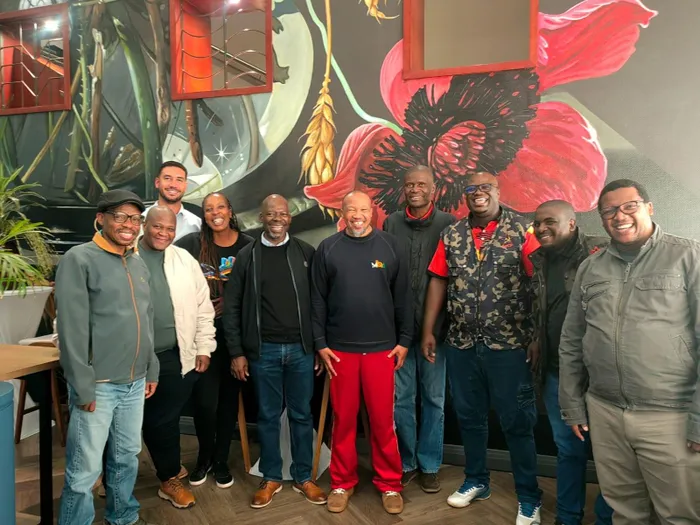
The South African Communist Party (SACP) is hosting a "Conference of the Left" in Boksburg from May 29 to 31, 2026, marking a significant effort to unite diverse left-wing forces. This three-day conference, bringing together various political parties, trade unions, and civil society groups, represents a major push by the SACP to consolidate opposition. The gathering aims to formulate a collective response to South Africa's deepening economic crisis. Leaders from the Economic Freedom Fighters (EFF), MK Party (MKP), Pan Africanist Congress (PAC), AZAPO, and other organisations are attending the conference, showing the broad appeal of this initiative. This initiative represents a major push by the SACP to consolidate opposition and address the country's economic challenges through a unified left-wing front. The South African Communist Party (SACP) has indeed launched a major push to unite left-wing forces, with this conference serving as its central platform.
Agenda for Economic Transformation
Delegates at the "Conference of the Left" are focusing on strategies to address South Africa's persistent socio-economic challenges. Discussions center on the ongoing pressures faced by millions of South Africans due to high unemployment, widespread poverty, systemic inequality, and escalating costs of living. These issues continue to place immense pressure on the populace, making the conference's agenda particularly pertinent. The SACP has explicitly stated that the conference is aimed at tackling the country's deepening economic crisis, which it views as a critical national challenge.
The conference is actively developing plans to establish a united Left Popular Front. This proposed front would concentrate its efforts on achieving fundamental economic transformation, fostering widespread job creation, implementing full land reform, and advocating for public ownership of key national industries. Delegates are discussing plans to build this united Left Popular Front, ensuring its focus remains on these key areas of economic reform. The discussions aim to forge a common understanding and a shared strategy among the various left-wing participants to effectively challenge the current economic paradigm and propose viable alternatives.
Political Realignment and Opposition
The South African Communist Party (SACP) is convening a three-day conference, bringing together various political parties, trade unions, and civil society groups. This gathering shows deepening political rifts, particularly following the African National Congress's decision to form a Government of National Unity (GNU) with the Democratic Alliance (DA). The conference notes growing political divisions that have become more pronounced since the African National Congress's decision to govern alongside the Democratic Alliance (DA) in the Government of National Unity (GNU). The SACP has voiced strong opposition to the GNU, interpreting the current political landscape as a significant realignment. The SACP has strongly opposed the GNU, viewing it as a departure from the progressive ideals it believes the ANC should uphold. In a further move signaling its independent trajectory, the SACP is reportedly preparing to contest future local government elections on its own. This strategy reflects an effort to consolidate a left-wing alternative amidst the shifting political alliances in the country, demonstrating the SACP's commitment to offering a distinct political choice to voters. The party's decision to contest elections independently marks a significant shift in its long-standing alliance with the ANC.
ANC Dismisses Gathering
African National Congress (ANC) secretary-general Fikile Mbalula dismissed the ongoing "Conference of the Left," stating there was "nothing leftist" about the gathering. Mbalula's comments indicated a rejection of the conference's perceived ideological alignment and purpose, and he specifically said there was 'nothing leftist' about it. He questioned the legitimacy of the conference's claims to represent a unified left-wing front, suggesting a fundamental disagreement on ideological grounds.
The SACP responded sharply to the ANC's stance, accusing its leaders of having "turned their backs on progressive forces." This accusation from the SACP suggests a deepening ideological rift between the former liberation movement partners, particularly in the wake of the ANC's recent political decisions. The SACP's statement further implies a perceived abandonment of shared historical principles by the ANC leadership, especially in light of the formation of the GNU. The SACP's sharp response shows the growing animosity and ideological divergence between the two parties, signaling a potential long-term fracture in their historical relationship.