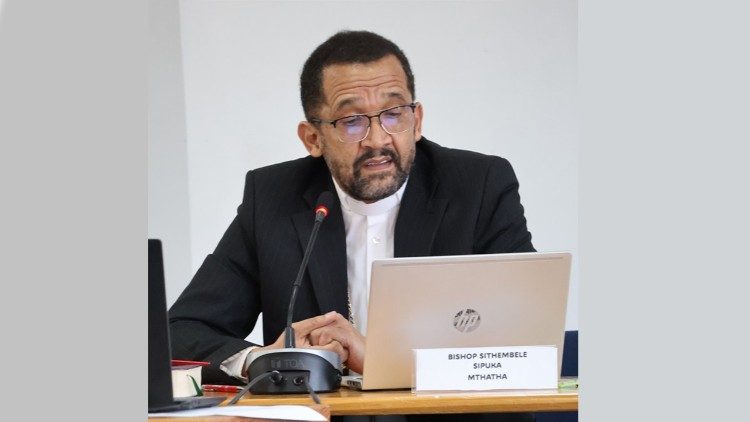
The South African Council of Churches (SACC) met with President Cyril Ramaphosa at the Unity Building on June 17, 2026, to address concerns regarding xenophobia and its socio-economic roots. This key meeting showed the SACC's commitment to advocating for human rights and social justice within the nation. Archbishop Sithembele Sipuka expressed gratitude to President Ramaphosa for attending and listening to Church leaders' concerns, noting the importance of direct engagement between civil society and the highest office. Archbishop Sipuka stated, "We used this opportunity to share our deep concerns about the suffering of fellow human beings, most of them fellow Africans who have been harassed, displaced, threatened, and deprived of their livelihoods. The Church cannot remain silent when human dignity is violated." This statement powerfully articulated the moral imperative driving the SACC's intervention.
The SACC leadership asserted that such actions contradict the spirit of 'Ubuntu' and the Christian understanding of the human person. They emphasized that the principle of 'Ubuntu,' which signifies humanity towards others, is deeply ingrained in South African culture and should guide interactions within society. The SACC leadership stressed that all persons possess human dignity bestowed by God, and therefore, violence, intimidation, and the targeting of vulnerable communities are never justified under any circumstances. Archbishop Sipuka added, "We spoke honestly about the conditions that have contributed to the anger we see in many communities; people are struggling, they feel neglected and unheard." This acknowledges the complex interplay of societal frustrations and the resulting social unrest. He further underlined that even if every foreign national were to leave South Africa, the nation would still confront unemployment, poor service delivery, corruption, crime, and economic inequality, thereby challenging the notion that foreign nationals are the sole cause of these deep-seated issues.
Church Leaders Meet President
The meeting between the SACC and President Ramaphosa occurred after the Council issued a pastoral letter to its member churches and the broader citizenry. This letter addressed aggression and violence directed at foreign nationals within the country, serving as a precursor to the direct dialogue with the President. The pastoral letter called upon all South Africans to reflect on the values of compassion and solidarity, urging them to reject xenophobic sentiments and actions. Archbishop Sithembele Sipuka stated that the SACC received assurances from President Ramaphosa during their discussions. These assurances indicated that law enforcement agencies would be deployed, and concrete steps would be taken to maintain law and public order across the nation, a commitment welcomed by the Church leaders. Church leaders welcomed the South African Government's five-pillar plan designed to respond to the ongoing migration crisis, viewing it as a constructive framework for action.
Addressing Root Causes of Unrest
The South African Council of Churches (SACC) recognized that frustrations among South Africans are rooted in persistent unemployment, widespread poverty, inadequate service delivery, widespread corruption, and a decline in public trust in national institutions. The SACC acknowledged that these socio-economic challenges create an environment ripe for discontent and potential conflict. Archbishop Sithembele Sipuka elaborated on these underlying issues, stating, "We spoke honestly about the conditions that have contributed to the anger we see in many communities; people are struggling, they feel neglected and unheard." This notes the importance of addressing the genuine grievances of the populace.
Archbishop Sipuka maintained that while these realities are significant, they do not provide justification for acts of violence. He insisted that these realities, however dire, should not be used as an excuse to inflict harm upon any group, particularly vulnerable foreign nationals. He emphasized the necessity of seriously addressing the fundamental causes of social unrest, advocating for systemic solutions rather than symptomatic responses. He also pointed out that foreign nationals have frequently been used as convenient scapegoats for more profound and intricate challenges facing the nation, diverting attention from the real issues that require government and societal intervention. This tendency to blame outsiders, Archbishop Sipuka noted, hinders genuine progress in tackling problems like economic inequality and unemployment.
Call for Decisive Government Action
Church leaders called on the South African Government to act swiftly and decisively against unlawful actions by gangs and organizations operating under the guise of addressing undocumented migration. They stressed that such groups undermine the rule of law and perpetuate cycles of violence and fear. The South African Government's five-pillar plan to address the migration crisis includes several key components. These entail cracking down on violations of immigration and labour laws, preventing illegal entry into the country, and stamping out corruption within relevant agencies, which is seen as key for effective governance. The plan also focuses on strengthening immigration laws and policies, and fostering collaboration with other countries to manage migration flows effectively, recognizing that migration is a regional and international phenomenon requiring coordinated responses.
The Church leaders emphasized that these policy commitments must translate into visible and measurable actions on the ground. They showed that pronouncements and plans, while important, must be followed by tangible results that improve the lives of all residents and ensure public safety. Archbishop Sithembele Sipuka specifically urged the government to ensure adequate security measures are in place to prevent further attacks and protect vulnerable communities. This call comes ahead of anti-migrant group marches reportedly planned for June 30, showing the urgency for proactive government intervention to avert potential violence and maintain social cohesion. The SACC's appeal for enhanced security reflects a deep concern for the safety and well-being of all individuals residing in South Africa.
Upholding Human Dignity and Solidarity
Archbishop Sithembele Sipuka stated that the Church would not remain silent when human dignity is violated. This unwavering commitment to human rights forms the cornerstone of the SACC's advocacy. The South African Council of Churches (SACC) leadership emphasized that all individuals possess human dignity granted by God. They asserted that violence, intimidation, and the targeting of vulnerable communities are never justified, regardless of the perceived grievances or underlying frustrations. The SACC leadership committed to consistently call on all people to reject xenophobia, hatred, misinformation, and violence in all its forms. This commitment extends to educating communities, fostering dialogue, and promoting reconciliation, in line with the Church's broader mission of peace and justice. The SACC leadership further stated that it would not relent on calling all people to reject xenophobia, hatred, misinformation, and violence, reinforcing its long-term dedication to combating these destructive forces within society and upholding the values of 'Ubuntu' and Christian principles of human dignity.