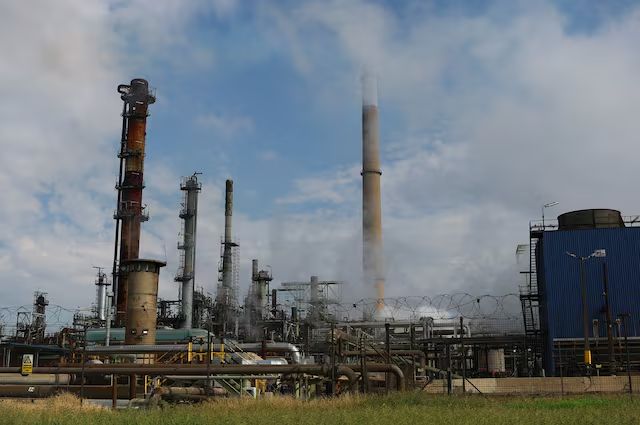
S&P Global Ratings warned on Tuesday that South Africa's consumer-led economy faces increasing risks from rising oil prices. The agency attributed this potential threat to the ongoing crisis in the Middle East, specifically noting that rising oil prices stemming from the Middle East crisis pose a growing risk. Higher fuel costs could place additional pressure on household budgets and business operations within the country, potentially dampening consumer spending and increasing operational expenses for various sectors. This warning shows the vulnerability of South Africa's economy to external shocks, particularly those impacting global energy markets.
Ratings and Forecasts
S&P Global Ratings maintained South Africa's ratings on Friday, leaving them unchanged at BB for foreign-currency debt and BB+ for local-currency debt. This decision follows a significant rating upgrade in November, which marked the agency's first upward adjustment for South Africa in nearly two decades, reflecting a period of cautious optimism regarding the country's fiscal trajectory. Despite this, the current outlook remains sensitive to global economic shifts. The agency has also revised its oil price forecasts, anticipating crude oil to trade at $100 for the remainder of the current year. For the next year, S&P projects oil prices to average $75. These revised forecasts reflect the agency's assessment of global energy market conditions and their potential impact on economies like South Africa's, which is a net importer of crude oil. The higher oil price projections for the current year, in particular, contribute to the increased risk assessment for the South African economy.
Economic Pressures and Responses
South Africa's inflation increased in April, a rise largely attributed to pressures within the energy sector. This surge in energy-related costs has a direct impact on consumer prices across various goods and services, exacerbating cost-of-living challenges. In response to these economic conditions, the South African central bank implemented a series of prompt interest rate hikes. These measures were taken to curb inflationary pressures and stabilize the economy, despite the potential for them to slow economic growth. To mitigate the immediate impact of rising fuel costs on consumers and businesses, the government introduced fuel levy cuts. These cuts were presented as fiscally neutral measures, with the revenue shortfall offset by increased income from commodity exports. This approach aimed to ease consumer and business burdens while maintaining fiscal stability, leveraging the country's commodity export strength to cushion the blow of higher energy prices.
Growth Challenges and Strategy Gaps
South Africa has been "really an outlier" among its peers, consistently ranking near the bottom for economic growth, stated Ravi Bhatia, director at S&P. Mr. Bhatia noted that this weakness contributes to fiscal pressure through softer revenues and weak job creation, creating a challenging environment for economic development. The persistent low growth trajectory makes the economy more susceptible to external factors like volatile oil prices. S&P noted that progress on reforms at state-owned logistics company Transnet and increasing private sector involvement in ports remain incremental. These critical infrastructure sectors are vital for supporting economic activity and improving competitiveness, and slow reform impedes their potential contribution to growth. The agency further indicated that South Africa lacks a full growth strategy. This absence of a clear plan makes the economy more susceptible to external shocks, such as volatile oil prices, and hinders its ability to address long-standing structural issues impacting development and employment. Without a strong and well-articulated strategy, the country struggles to attract sufficient investment and stimulate the broad-based economic expansion needed to create jobs and improve living standards.