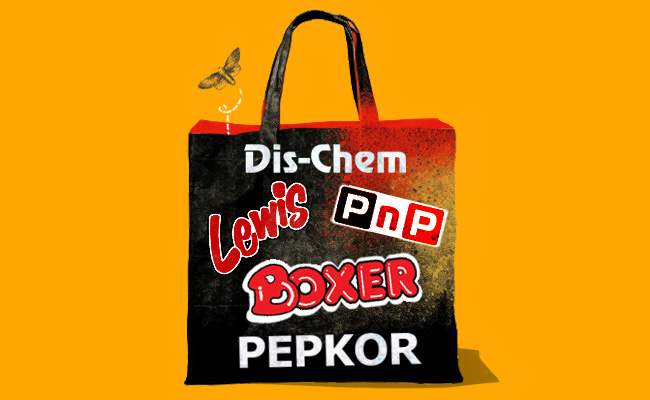
Pick n Pay, a prominent South African retailer, reported a substantial R386 million loss for its financial year 2026, marking a challenging period for the established brand. This significant financial setback contrasts sharply with the strong performance of its discount grocery chain, Boxer, which demonstrated significant growth during the same reporting period. Boxer’s sales increased by more than 12%, showing a clear divergence in market reception and operational success within the same parent company. Beyond sales growth, Boxer also delivered an impressive trading profit of R2.6 billion, according to reports, further noting its strength in a competitive retail landscape. This striking divergence in performance comes as Pick n Pay recently concluded a strategic move, raising approximately 4.7 billion rand ($282 million) through a share sale. The company sold 57.3 million shares at 82 rand each, a measure designed to bolster its financial position and fund its ongoing turnaround efforts. The proceeds from this share sale are key, as they are intended to support Pick n Pay’s turnaround strategy and broader growth plans amidst the challenging economic climate.
Divergent Paths: Successes and Struggles in the South African Retail Sector
While some retailers in the South African market have faced considerable difficulties, grappling with a confluence of economic pressures and operational hurdles, others have demonstrated remarkable resilience and achieved substantial growth. This varied performance paints a complex picture of the retail sector, where strategic execution and market positioning appear to be as critical as the prevailing economic conditions.
Among the success stories, Pepkor stands out, reporting a strong 13% rise in revenue, reaching approximately R55 billion in its first half. The company, a retail giant with an extensive footprint, operates more than 6,600 stores across various formats, catering to a broad consumer base. Within Pepkor’s diverse portfolio, its clothing and general merchandise division notably grew operating profit by 4%, indicating effective management and strong consumer demand in these segments. Beyond its core retail operations, Pepkor is actively developing a full financial services business built around its extensive customer base. This strategic diversification includes a range of offerings such as phone rental services through its FoneYam brand, lending solutions provided by Capfin, and a suite of insurance products that currently cover more than one million lives. Looking ahead, Pepkor has ambitious plans to further expand its financial services footprint, with an announcement that it plans to launch a bank next year, signaling a significant move into the financial sector.
Another strong performer, furniture retailer Lewis, also experienced a healthy increase in revenue, reporting an 11% uplift. The company has demonstrated consistent financial strength, having doubled its earnings per share over the past three years, a testament to its effective business model and market penetration. Lewis is also in an expansionary phase, having opened a record 58 stores last year, and is steadily moving towards an ambitious target of 1,000 outlets across the region. This expansion is supported by a disciplined approach to credit management, as evidenced by Lewis’s credit rejection rate of 42%, indicating a strict and prudent stance on lending within its business model, which helps mitigate risk in consumer credit sales.
In stark contrast to these growth narratives, other South African retailers have encountered significant challenges, reflecting the uneven impact of market dynamics and operational issues. Dis-Chem, a prominent pharmacy group, reported a notable decline, with its earnings down by 17%. This dip suggests that even essential service providers are not immune to broader economic pressures or internal operational shifts. Similarly, Spar, another major player in the grocery sector, issued a warning that its earnings would approximately halve, signaling substantial headwinds and prompting concerns among investors and analysts.
These varying performances across the retail spectrum occur against a backdrop of significant strategic shifts, particularly noted by the rapid expansion of Boxer, the discount grocery chain. Boxer has aggressively grown its presence across township and lower-income communities, effectively tapping into a market segment that is increasingly value-conscious. This strategic focus has allowed Boxer to thrive even as its parent company, Pick n Pay, faces intense competition from well-established rivals including Shoprite, Woolworths, and Spar, all vying for market share in a constrained consumer environment.
Strategic Investments and Financial Engineering in a Competitive Landscape
Pick n Pay’s recent share sale, which successfully drew approximately R4.7 billion ($282 million), is a critical component of the retailer's broader strategy. These funds are specifically intended to support the retailer's turnaround strategy and fuel its growth plans, according to official reports. The company achieved this capital injection by selling 57.3 million shares at R82 each, demonstrating investor confidence in its future prospects despite current challenges. In a separate, yet equally significant transaction aimed at restructuring its assets and optimizing its portfolio, Pick n Pay also executed the sale of 25% of its stake in Boxer. This portion was sold to a newly formed entity, Boxer Retail, for a substantial R1.36 billion. Notably, this price represented a 3.2% premium to Boxer’s 30-day volume-weighted average price as of Monday, indicating the strong market valuation and perceived growth potential of the discount chain. Pick n Pay has openly acknowledged the multifaceted challenges it has faced, including persistent electricity shortages, which disrupt operations and increase costs, as well as rising logistics costs, and the overarching issue of weaker consumer spending, all of which have impacted its profitability and operational efficiency.
Other retailers, recognizing the dynamic nature of the market, have also engaged in strategic financial and operational moves to secure their positions and drive future growth. Pepkor, as previously noted, is actively developing a strong financial services business around its extensive customer base. This initiative includes a range of services such as phone rental services like FoneYam, lending through its Capfin brand, and a full suite of insurance products that now cover more than one million lives. The company's ambition in this area is further showed by its plan to launch a bank next year, a move that could significantly diversify its revenue streams and deepen its engagement with its customer base. Lewis, the furniture retailer, maintains a stringent credit rejection rate of 42%, indicating a highly disciplined and cautious approach to lending within its business model. This conservative stance helps manage risk in a sector often reliant on consumer credit. Meanwhile, Dis-Chem made a deliberate and substantial investment of R445 million into key strategic areas: data analytics, healthcare initiatives, and the development of a new loyalty programme. This significant expenditure signals a clear focus on enhancing its technological infrastructure, expanding its core healthcare offerings, and strengthening customer engagement through loyalty incentives, all aimed at securing long-term growth and market relevance.
The Consumer and the Operator: Navigating a Shifting Landscape
The operational and financial challenges at Pick n Pay have led to a quiet but significant adjustment in its recovery timeline. The retailer’s breakeven date has been incrementally moved, initially from 2027 to 2028, and now stands at 2029, according to recent reports. This revised timeline shows the depth of the challenges and the extended period required for a full turnaround. A key contributor to these difficulties has been the performance of its core supermarket business, which reported a substantial loss of approximately R1 billion, noting the areas most in need of strategic intervention and revitalization. In response to these persistent financial pressures and as part of its broader recapitalization efforts, Pick n Pay has strategically sold down its stake in its highly successful Boxer discount chain to 53.1%. This move, while reducing its direct ownership, has allowed Pick n Pay to unlock significant capital and restructure its balance sheet, providing key resources for its recovery strategy.
The aggressive recovery strategy at Pick n Pay is being spearheaded by Chief Executive Officer Sean Summers, who returned to lead the retailer in 2023. His leadership marks a renewed push to revitalize the brand and restore its profitability. As part of a broader recapitalization plan, the retailer made a significant strategic move by listing Boxer on the Johannesburg Stock Exchange in late 2024, as indicated by reports. This listing not only provided a valuation benchmark for Boxer but also created an independent platform for its continued growth and potential capital raising. Boxer, which was founded in 1977, has evolved into a critical component of Pick n Pay's strategy, particularly in addressing the evolving behaviors and preferences of South African consumers.
The current economic climate in South Africa has a profound impact on consumer behavior. South African consumers are reportedly under real pressure, facing various financial constraints. In response, they are increasingly prioritizing essential purchases, carefully guarding their budgets, and actively seeking value in every transaction. This heightened scrutiny means consumers are also becoming more discerning, often choosing to walk away from businesses perceived as wasteful with their money or those that do not offer clear value propositions. This shift in consumer mindset shows the importance of retailers like Boxer, which cater directly to the demand for affordability and efficiency, and explains the contrasting fortunes across the retail sector. The ability of retailers to adapt to these changing consumer demands, manage operational costs effectively, and execute strategic plans with precision will ultimately determine their success in the dynamic South African market.