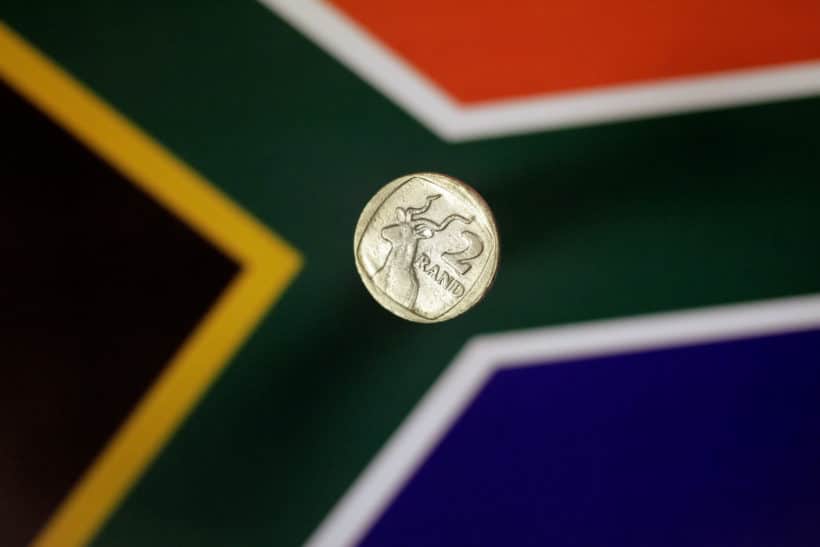
The South African rand faced significant pressure on Thursday, a direct consequence of heightened tensions between the United States and Iran. This geopolitical friction has sent ripples through global financial markets, with particular impact on commodity prices and emerging market currencies. The U.S. Conducted strikes against Iran’s coastal defenses and missile sites on Wednesday, marking a substantial escalation in the long-standing animosity between the two nations. In response to these actions, Iran issued stern threats to halt additional regional energy exports, a declaration that immediately contributed to widespread market jitters and uncertainty. These developments show the inherent volatility in global markets, especially when stemming from critical geopolitical events in the Middle East.
Geopolitical Escalation and Market Impact
The latest escalation in hostilities between the United States and Iran has pushed global oil prices significantly higher, reigniting widespread concerns about inflation across economies worldwide. As part of its strong response to the situation, the U.S. Government re-imposed a naval blockade on Iran's ports, a move designed to restrict the flow of Iranian oil and other goods, thereby increasing economic pressure. In a defiant counter-response, Iran declared that it was engaged in an “existential war” with America, a statement that further signaled a deepening and potentially prolonged nature of the conflict. These actions by both nations have intensified fears of broader disruption to global energy supplies and economic stability, creating a climate of apprehension among investors. The developments contributed to market volatility, particularly affecting emerging market currencies like the South African rand, which is notably sensitive to global oil price fluctuations and heightened geopolitical risk.
Rand and Bond Performance
Against this backdrop of international tension, the South African rand reflected the market unease. At 0635 GMT, the rand traded at 16.35 against the dollar, a level that, while close to its previous day's close, still indicated the underlying pressure it was experiencing. The U.S. Dollar, in contrast, last traded flat against a basket of major currencies, reflecting a broader stability in global foreign exchange markets despite the significant geopolitical developments unfolding. This relative steadiness of the dollar often notes its role as a safe-haven asset during times of global uncertainty, contrasting with the more volatile movements of emerging market currencies.
Inflationary Concerns and Outlook
The impact of the escalating tensions on commodity markets was immediate and pronounced. Oil prices rose for a fourth consecutive day on Thursday, fueling widespread inflationary concerns among economists and policymakers. Brent crude futures last traded near a one-month high at $85 a barrel, a price point that signals significant upward pressure on energy costs globally. This sustained increase in oil prices contributes to the broader inflationary pressures observed across many economies, particularly those reliant on energy imports. The elevated energy costs are expected to impact import-dependent economies like South Africa, potentially leading to higher consumer prices for goods and services, reduced purchasing power for households, and increased operational costs for businesses. This scenario can complicate central banks' efforts to manage inflation and maintain economic stability.
Analyst Perspective
Despite the volatility observed in currency and commodity markets, South Africa’s benchmark 2035 government bond saw minimal movement in early trading sessions. The yield on the bond stood at 8.39%, indicating it was largely unchanged from its previous close. This stability in the bond market provided a slight counterpoint to the more pronounced volatility observed in the currency markets. Even with global geopolitical tensions impacting oil prices and putting pressure on the rand, the long-dated government bond market showed a degree of resilience. The consistent yield suggests that investors in this specific segment are maintaining their positions, reflecting a degree of underlying confidence in the long-term economic outlook or, alternatively, a lack of immediate pressure to significantly adjust their holdings in response to short-term geopolitical shocks. This divergence notes how different segments of a country's financial markets can react to external pressures.