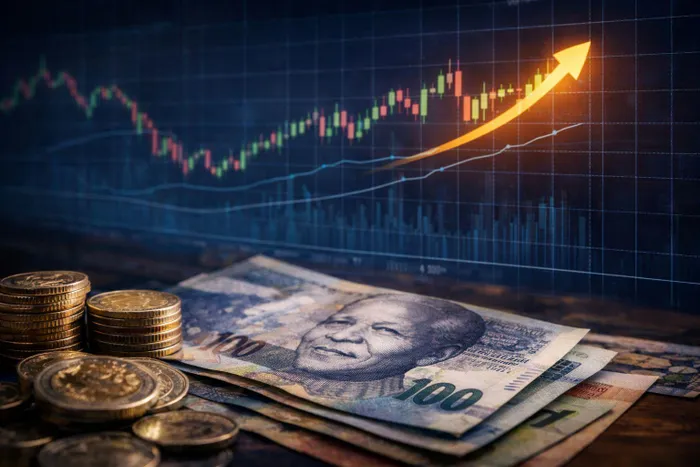
The South African rand experienced notable volatility on Monday, initially trading at approximately R16.59 to the US dollar on Monday morning before weakening to R16.68 in late afternoon trade. This movement occurred as global diplomatic efforts continued, with Iran reviewing a United States response to its proposed framework aimed at resolving the conflict. The currency's performance was closely watched by market participants, who are navigating a complex landscape of geopolitical developments and shifting monetary policy expectations.
Geopolitical Calm Lends Support
Markets stabilized somewhat following weekend engagement between the United States and Iran. This calmer geopolitical environment contributed to gains in Asian equities during early trade, while US futures indicated a positive start to the week. The temporary lull in tensions provided a much-needed reprieve for risk assets, including emerging market currencies.
Iran has stated it is reviewing the US response to its 14-point proposal, a development that market observers are closely monitoring for potential de-escalation signals. This proposal represents a significant diplomatic initiative, and its reception is seen as key for the broader stability of the region. Despite these diplomatic overtures, conflicting reports emerged regarding an alleged incident involving a US warship in the Strait of Hormuz. Washington, however, swiftly denied that any strike had occurred, helping to mitigate an immediate escalation of concerns. These regional developments significantly influenced global risk sentiment, with any perceived easing of tensions typically supporting emerging market currencies like the rand. The ongoing diplomatic exchanges and the lack of confirmed military incidents have temporarily assuaged some investor concerns, providing a measure of stability to exchange rates. The market's sensitivity to these reports shows the fragility of the current geopolitical environment and the potential for rapid shifts in investor sentiment.
US Policy and Oil Price Risks
The dollar has strengthened since the conflict in the Middle East commenced at the end of February, driven by safe haven flows as investors sought refuge in less volatile assets. This persistent demand for the greenback has placed additional pressure on currencies like the rand. Recent commentary from the US Federal Reserve indicated a departure from a distinctly dovish position. The Fed opted to leave interest rates unchanged last week, a decision influenced by concerns regarding inflationary pressures on household expenses and fuel costs. This stance suggests a more cautious approach to monetary policy, with the Fed signaling its readiness to act if inflation remains stubbornly high.
The rand typically experiences sharp declines during periods of global risk aversion and was among the poorest-performing emerging market currencies in early 2026. This vulnerability is exacerbated by global events that prompt a flight to safety. Higher US interest rates generally exert downward pressure on emerging market currencies like the rand, as investors tend to reallocate funds towards safer dollar-denominated assets. The prospect of higher returns in the US makes dollar assets more attractive, drawing capital away from emerging markets. Brent crude oil was trading at approximately $108 a barrel, a factor that can significantly influence global inflation expectations and monetary policy decisions. Elevated oil prices contribute to higher import costs for many nations, fueling inflation and potentially prompting central banks to adopt tighter monetary policies. The combination of interest rate outlooks and commodity prices presents ongoing risks for the rand's stability, making it susceptible to external economic shifts.
Market Performance and Outlook
The rand is currently trading firmer at R16.62, maintaining a relatively narrow trading range despite the underlying global uncertainties. Andre Cilliers, a currency strategist at TreasuryONE, stated, "The rand is trading firmer at R16.62, keeping to a fairly narrow trading range. The local currency remains susceptible to events in the Middle East." His assessment notes the delicate balance the rand is attempting to maintain amid external pressures. The South African currency had previously weakened to approximately R16.90 following the Federal Open Market Committee meeting, reflecting initial market reactions to the Fed's commentary and the broader economic outlook. It later recovered to trade around R16.60, indicating some resilience and a re-evaluation of its position by traders.
So far, the rand has shown a 4.9% weakness against the greenback, even as the dollar has strengthened by 4.3%. This disparity shows the specific pressures faced by the rand, which has underperformed relative to the dollar's overall gains. In related commodity markets, gold was observed to be slightly lower, trading at about $4,611 an ounce. The performance of gold, often considered a safe-haven asset, can also provide clues about overall market sentiment and investor confidence. The continued monitoring of geopolitical developments, US monetary policy, and commodity price fluctuations will be key for understanding the rand's trajectory in the coming weeks.