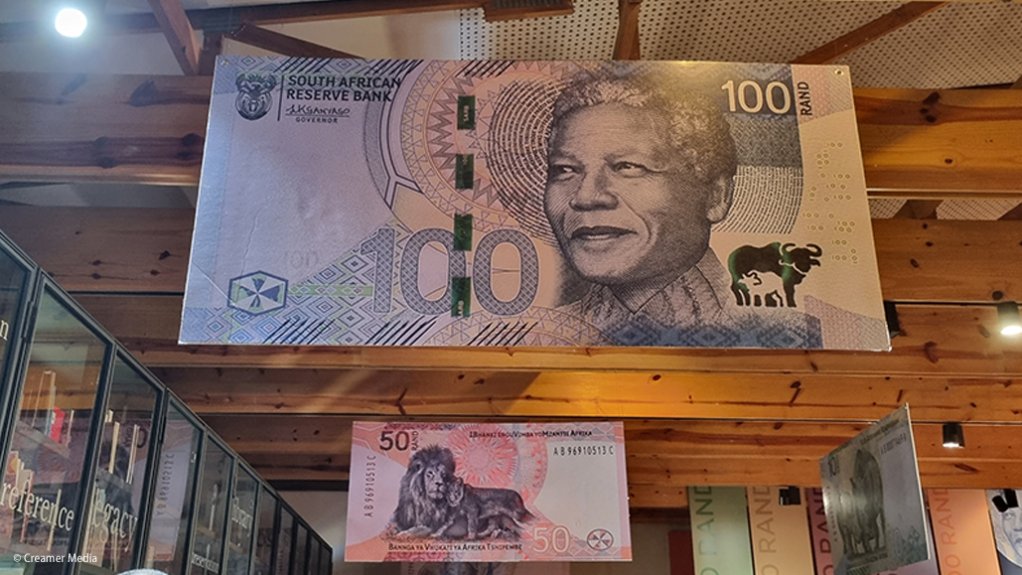
The South African rand strengthened against the dollar on Thursday, trading at 16.0250 by 0557 GMT. This represented an approximately 0.2% increase in strength compared to its previous close. This movement occurred ahead of the release of key local economic data, including July manufacturing output figures. Analysts polled by Reuters anticipate that July manufacturing output will have decreased by 1.6%. Market participants are closely watching these indicators for insights into the country's economic health and future monetary policy direction. The rand's performance is often influenced by both domestic economic indicators and broader global sentiment, particularly regarding commodity prices and interest rate expectations in major economies.
Domestic Data Outlook
Statistics South Africa is scheduled to publish July mining and manufacturing data later on Thursday, providing a clearer picture of the country's industrial performance. The release of these figures is highly anticipated as they offer key insights into key sectors of the economy, which are significant contributors to the nation's Gross Domestic Product. Specifically, analysts polled by Reuters expect July mining output to have fallen by 2.8%, reflecting potential challenges within the extractive industries. This anticipated decline follows a period of varying performance in the sector. Concurrently, South Africa's central bank is set to release its second-quarter current account data at 0900 GMT. This information is key for assessing the nation's balance of payments and its financial position relative to the rest of the world. Analysts surveyed by Reuters project a second-quarter current account deficit of 0.4%, which would indicate that the value of the country's imported goods, services, and income payments exceeded its exports and income receipts during that period. In early deals, the yield on South Africa's benchmark 2035 government bond saw an increase, rising 5.5 basis points to reach 8.675%. This movement in bond yields indicates investor sentiment and expectations regarding future interest rates and economic stability, often reacting to anticipated economic data and global financial conditions.
Global Inflation Watch
Beyond domestic figures, global economic data, particularly from the United States, is also influencing market sentiment. United States producer price index (PPI) data is due at 1230 GMT, providing further insight into wholesale inflation trends. This data point is an important precursor to consumer price movements. Following this, US consumer inflation figures are scheduled for release on Friday, which will be closely watched by global markets for signs of persistent inflationary pressures or a moderation in price increases. These releases precede the upcoming Federal Reserve meeting, where policymakers will decide on the future trajectory of interest rates. A Reuters poll indicated that a majority of economists anticipate the Federal Reserve will maintain its interest rate at the current level during its September 15-16 meeting. Economists also expect the rate to remain unchanged for the remainder of the year, suggesting a cautious approach to monetary policy after a period of aggressive rate hikes aimed at taming inflation. Global monetary policy decisions, especially from central banks like the Federal Reserve, have a significant impact on emerging market currencies like the rand, as they influence capital flows and investor appetite for riskier assets.
Analyst Expectations
As mentioned, analysts polled by Reuters anticipate South Africa's July mining output to have experienced a 2.8% decline. This data point is part of a broader economic picture being assessed by market participants ahead of its official release. The manufacturing sector is also under scrutiny, with the same Reuters poll forecasting a 1.6% decrease in July manufacturing output. These projections highlight potential headwinds for the industrial sectors.
Regarding South Africa's international financial position, analysts surveyed by Reuters project a second-quarter current account deficit of 0.4%. This forecast provides insight into the country's balance of payments and its transactions with the rest of the world, offering an indication of its external financial health. A deficit suggests that the country is a net borrower from the rest of the world or is selling off assets to finance its spending.