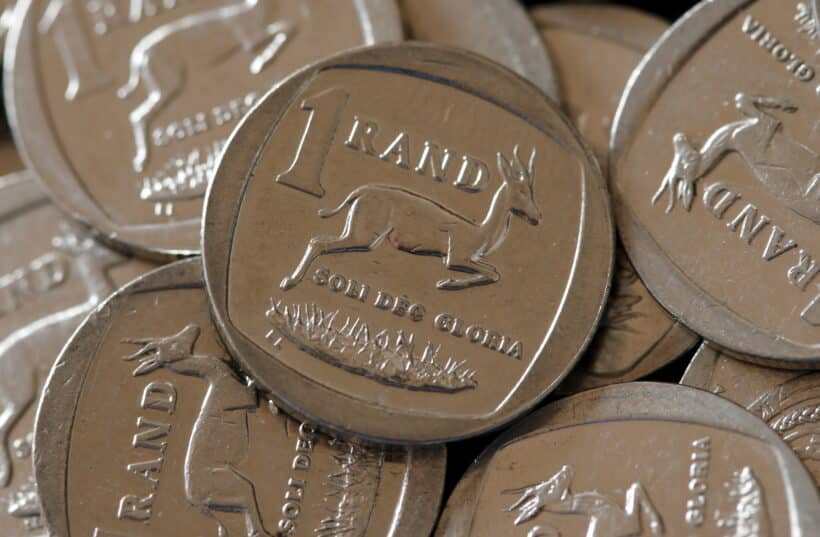
The South African rand strengthened against the U.S. Dollar on Friday morning, ahead of key remarks from the Federal Reserve Chair at the highly anticipated Jackson Hole symposium. This modest appreciation signals a cautious optimism among investors as they position themselves in anticipation of potential shifts in global monetary policy. At 0659 GMT, the rand traded at 15.9725 to the dollar, marking a 0.2% increase from its previous closing level. This slight uptick in the local currency suggests that market participants are closely monitoring international developments, particularly those emanating from major central banks. The rand's movement comes as investors eagerly await cues on monetary policy from the influential gathering of central bankers, finance ministers, and academics in Jackson Hole, Wyoming, which is often a platform for significant policy indications.
Domestic Economic Watch
Domestically, the National Treasury is scheduled to publish July budget balance figures later in the day, which investors will monitor closely for insights into the country's fiscal health and economic management. These figures are critical for assessing the government's financial position and its ability to manage public debt, directly influencing investor confidence in South Africa. On the Johannesburg Stock Exchange, the Top-40 index recorded an increase of approximately 1% during early trade, indicating a positive start to the trading day for major South African equities. This rise in the local equity market reflects broader investor sentiment, suggesting a degree of resilience and optimism among local market participants ahead of key economic announcements, both domestic and international.
Market Sentiment and Outlook
Globally, the U.S. Dollar index, which measures the currency against six major rivals, registered a slight increase, trading a shade higher at 99.18. This marginal upward movement in the dollar index reflects a cautious sentiment among global investors, who are largely holding their breath as they await further guidance on monetary policy from leading central banks. Financial markets are closely scrutinizing economic indicators and central bank communications to gauge future interest rate trajectories, which have profound implications for currency valuations and capital flows worldwide. The subtle appreciation of the dollar index suggests that while some currencies, like the rand, have seen minor gains, the broader market remains highly sensitive to potential shifts in global economic policy and interest rate differentials. Investors are particularly focused on upcoming statements from central bank officials, as these are expected to provide much-needed clarity on the pace and scope of future monetary adjustments in response to inflation and growth concerns. The marginal rise in the dollar index indicates that the market is poised for potential volatility, depending on the nature of the messages delivered from key economic forums. This cautious stance shows the current uncertainty surrounding global economic prospects and inflation outlooks, making central bank guidance all the more critical.
Analyst Commentary
Federal Reserve Chair Kevin Warsh was scheduled to deliver a highly anticipated speech at 1400 GMT from Jackson Hole, Wyoming. This event is closely watched by investors across the globe for signals regarding the future direction of U.S. Monetary policy, which has significant ripple effects on international markets. The address by the influential central banker is anticipated to provide further clarity on economic outlooks and potential interest rate adjustments, directly impacting global currency markets and investor strategies. Financial analysts are particularly keen to discern any shifts in the Federal Reserve's stance on inflation and growth, as even subtle changes in rhetoric could influence capital flows and investor sentiment worldwide.
In South Africa, the benchmark 2035 government bond yield remained stable, holding at 8.455%. Bond yields are a key indicator of investor confidence and borrowing costs for the government, with their stability often reflecting market participants' assessment of the country's fiscal health and economic prospects. The consistent yield suggests that, despite global uncertainties surrounding monetary policy and the impending domestic budget figures, the local bond market maintained its position, indicating a degree of stability in investor perception of South Africa's long-term financial commitments.